

AI winery video without a $4,000 drone day
Name the grape and the season, and leave people out of the flyover. Use VEO 3.1 or Kling 3.0 for the glide. Put the winemaker on a separate tasting-note clip.
AI video for wineries and vineyards in 2026 works when it sells place, season, and people, not generic grape stock. Use it for wine-club renewals, tasting-room traffic, and harvest updates where a full crew shoot is too slow or too expensive.
The stack below keeps character and vineyard continuity so DTC content feels shot on site, not pasted from a model gallery.
The content job-to-be-done for wineries
Wine is an emotional purchase pretending to be rational. Nobody buys a $48 Cabernet Franc on chemical merit. They buy because they remember the dust on the dirt road, the winemaker describing French oak, and the light slanting across the vines on Instagram three weeks before they booked the trip.
Your video has three jobs, sequenced in this order:
- Sell the place so a stranger on Reels in Chicago wants to drive five hours next October to see it.
- Sell the process so when they get home from the tasting room they convert from "fun weekend" to "I want to be part of this every quarter" and join the club.
- Sell the bottle in the moment so the existing club member opens the shipment, watches the winemaker tasting note that came in their email, and reorders the Reserve before they finish the welcome glass.
Most wineries do job one well, ignore job two, and outsource job three to a printed shelf-talker. The AI stack below closes those gaps without a film crew on retainer.
The Versely stack for winery operators
| Winery deliverable | Versely tool | Recommended model |
|---|---|---|
| Vineyard cinematic flyover | AI Video Generator | VEO 3.1, Kling 3.0 |
| Harvest-to-bottle storyline | Story to Video | SORA 2, VEO 3.1 |
| Winemaker tasting note (talking head) | UGC Video Generator + AI Lipsync | UGC Avatar, ElevenLabs v3 |
| Bottle hero shot for DTC drop | Text to Image + AI Video Generator | Flux 1.2 Ultra, Wan 2.7 |
| Tasting room ambiance b-roll | AI B-Roll Generator | VEO 3.1, PixVerse V6 |
| Wine club drop reveal carousel | AI Slideshow Maker | Imagen 4, Ideogram 3 |
| Winemaker voiceover (off-camera) | AI Voice Cloning | ElevenLabs v3 |
The seasonal calendar that drives wine club signups
Wine has one high-attention cultural window per year - late summer through October harvest - and a quieter spring release season. Wineries winning DTC build their content calendar 8 weeks ahead of each:
- January to February: cellar work and barrel sampling. Quietest tasting room months, highest editorial leverage. Moody barrel-room footage and the winemaker pulling samples. Sell intimacy.
- March to April: spring release and bud break. Time-lapse the vineyard waking up. Schedule your spring allocation drop. Put the new release on the homepage as a 6-second hero loop.
- May to June: bottling and library wines. Bottling line content performs unreasonably well. Pair with a library re-release for older club members.
- July to August: pre-harvest anticipation. Veraison footage (grapes turning color) is some of the best-performing winery content of the year. Tease the vintage.
- September to October: harvest. Daily content. Drone over picking crews, sorting tables, fermenters. Convert tasting room visitors to club members at the door with a QR code to a 45-second harvest reel.
- November to December: holiday and gifting. Pivot to bottle-hero content, gift sets, and a "vintage in review" recap from the winemaker.
Vineyard cinematic flyovers without a drone permit
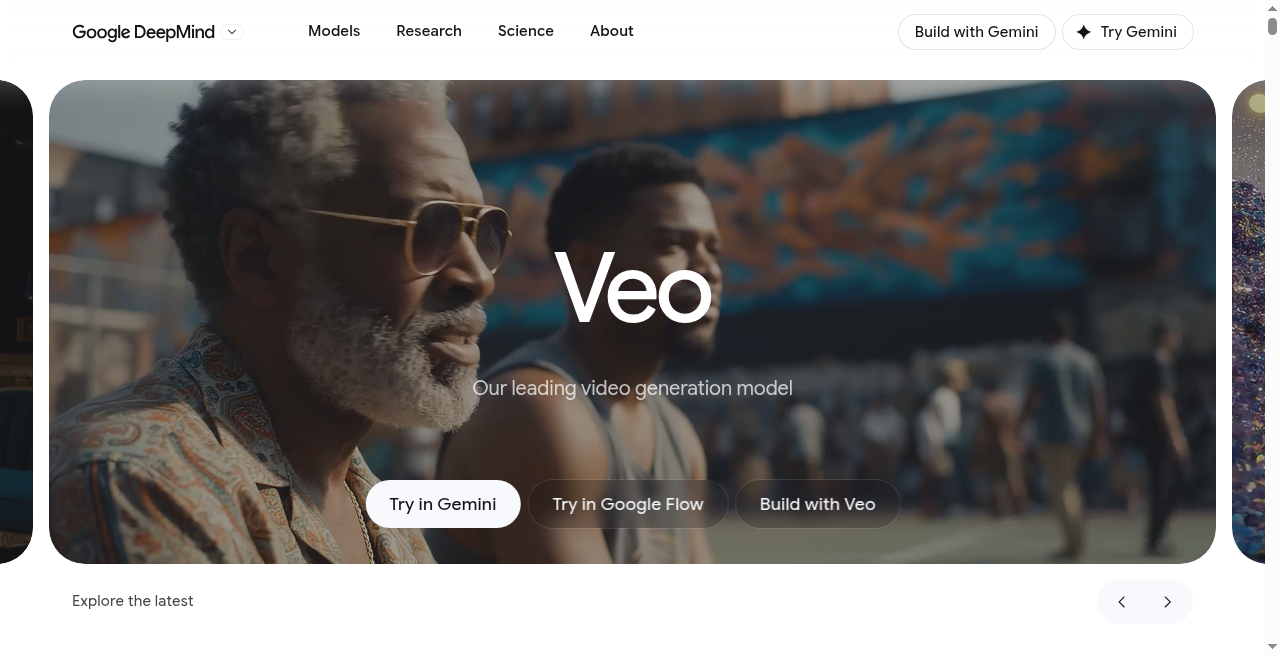
The most-shared format in winery content is the slow cinematic glide across the vineyard at golden hour. It used to require a Part 107 pilot, a $4,000 day rate, and a weather window. In 2026, VEO 3.1 and Kling 3.0 produce a flyover indistinguishable from a real drone clip on a phone screen, and the wineries that have figured out the prompt structure publish one new flyover per appellation block per week.
The prompt structure that works:
Slow cinematic dolly across a Cabernet Sauvignon vineyard
in late September, golden hour, low sun behind camera,
gentle westerly breeze moving the canopy, oak-studded
hillside in the background, dry-farmed dust in the air,
camera height 12 feet, 35mm anamorphic, no people,
no text, 6 seconds, 24fps cinematic.
Three tuning notes that matter:
- Specify the varietal. "Vineyard" alone produces generic Tuscan postcard imagery. "Cabernet Sauvignon" or "old-vine Zinfandel" or "Pinot Noir on a north-facing slope" produces canopy density, leaf shape, and trellis structure that look like your specific AVA.
- Anchor the season. Bud break, bloom, veraison, harvest, and dormancy all look completely different. The model defaults to harvest unless you tell it otherwise. Mismatched season is the single biggest tell that a clip is AI.
- Avoid people. People are still the weakest seam in cinematic models. Keep the flyover empty and put humans in your talking-head and tasting room formats.
Generate four variants per prompt, take the cleanest, and use ai-b-roll-generator to extend it to 10 to 12 seconds for Reels. Pin the best one to your Google Business Profile the same week - wineries with weekly GMB video posts pull better in "wineries near me" searches.
The harvest-to-bottle storyline
The best wine club acquisition asset is a 60 to 90 second mini-documentary that follows one wine from vine to glass. Most wineries shoot this once, badly, with a freelance videographer in October. The AI-native version is built across the growing season as a series of 5 to 8 second scenes you assemble in the cellar in November.
Use story-to-video with SORA 2 or VEO 3.1 and write a six-scene storyboard:
Scene 1: bud break in March, close-up of a single bud opening on old wood, soft morning light, 5s.
Scene 2: bloom in May, tiny white flowers on a green cluster, bee passing through, 5s.
Scene 3: veraison in July, half-purple half-green cluster on the same vine, midday sun, 5s.
Scene 4: harvest at dawn in September, gloved hand cutting a cluster with shears, dewy fog, 5s.
Scene 5: sorting table in the cellar, hands removing leaves and second-crop, golden overhead light, 5s.
Scene 6: a finished glass of wine on a barrel head in the cellar, candlelight, 6s.
Tone: documentary, warm, no music swells, no text, no humans on camera above the chest.
The reason this format converts is that it sells the year of work behind the bottle without a single sales line. Cut it 60 to 90 seconds for YouTube and the winery website, then re-cut to 18 seconds for Reels and TikTok with a winemaker voiceover from ai-voice-cloning saying:
"Every bottle of our 2025 Estate Cabernet started at 4am in March. Here's the year that goes into one glass. Club members get the first allocation in February."
Soft CTA, hard conversion. This asset typically pays for a year of Versely usage in club signups within three weeks of release.
Winemaker tasting notes that ship with every drop
The third format is the one most wineries skip and the one that drives the highest reorder rate among existing club members. When the spring or fall allocation ships, the winemaker should appear in a 35 to 45 second tasting note for each wine in the box, embedded in the shipment confirmation email and pinned to the top of the wine's product page.
Two ways to produce these without putting the winemaker in front of a camera every quarter:
- UGC avatar with cloned voice. Record the winemaker reading the four tasting notes once, in a quiet room, on their phone. Use ai-voice-cloning to bank the voice. Then use ugc-video-generator and ai-lipsync to put the cloned voice on a clean studio cut of the winemaker, generated from a single reference photo. Total winemaker time per allocation: 30 minutes.
- Voiceover over cellar b-roll. If the winemaker is camera-shy, skip the talking head and run the cloned voice over a montage of barrel sampling, bottle pouring, and glass swirling generated with ai-b-roll-generator. The conversion lift over a printed tech sheet is roughly the same.
The script structure that converts:
- Name the wine and vintage in the first 3 seconds. "This is the 2024 Reserve Pinot Noir from our coldest block."
- One specific sensory anchor. "Open it 20 minutes before you pour. You'll smell black cherry and a little wet stone."
- One pairing. "It's built for duck or a roast chicken with mushrooms."
- One cellar note. "It will hold for eight to ten years if you want to wait, but the fruit is gorgeous now."
- A closing line that humanizes. "Thanks for being a club member. We made 320 cases. Tell us what you think."
Drop the same asset into the next month's email newsletter as a re-engagement nudge for members who haven't reordered.
Funnel: from Reels to wine club member
The end goal of every piece of winery content is a wine club signup or a tasting room reservation, because both compound. The funnel:
- Cinematic flyover or harvest scene on TikTok and Reels.
- Bio link to a one-question landing page: "Plan your visit" or "See the latest release."
- Visitor books a tasting, shows up, gets the in-person pour and a QR code at the end of the flight that opens a 45-second harvest-to-bottle reel and the club signup form.
- New member receives the next allocation with the winemaker tasting note pre-loaded in the shipment confirmation email.
- Reorder lift on the next quarter's allocation, no extra paid acquisition spend.
Run this loop and the cost to acquire a wine club member drops to a fraction of the lifetime value within two harvest cycles.
For broader context on which models to use for which formats, see the best AI video generation models 2026 guide. For weekly cadence and the math behind sustained content velocity, the AI content creation 2026 complete playbook is the companion read. If you are building the short-form side of this stack first, how to make viral short-form videos with AI covers the hook architecture for Reels and TikTok.
Mistakes that kill winery content
- Generic vineyard stock footage. A postcard Tuscan vista when your winery is in Paso Robles or the Finger Lakes is an instant scroll. Generate the vineyard in your specific AVA with the right canopy structure.
- Over-stylized harvest content. Slow-motion grape splashes against black look like a soda commercial and convert like one. Documentary realism wins. Dirt, dust, and dawn light beat color-graded gloss.
- No winemaker voice anywhere. Buyers want to hear the human who made the wine. Bank the winemaker's cloned voice in month one - it pays back across every asset for two years.
- Treating the wine club like a list, not a community. The tasting note shipping with the bottle is a relationship asset. Speak to the member as a member.
- Ignoring Google Business Profile. Tasting room visits are local-pack-driven. Weekly GMB video posts pull more reservations than a $2,000 monthly Google Ads budget for most wineries under 25,000 cases.
- Posting harvest content in March. Seasonal mismatch reads as inauthentic faster than any other tell. Bud break in spring, bloom in early summer, veraison in mid-summer, harvest in fall, cellar in winter.
FAQ
Will buyers reject AI-generated vineyard footage as inauthentic?
Not when it is anchored to the right AVA, season, and varietal. The objection comes from generic, mismatched, or over-stylized footage. A flyover that gets the canopy density, trellis system, and hillside aspect right reads as a real drone shot to almost everyone outside the industry, and even most insiders.
How often should I post winery content?
Three to four pieces per week during harvest and release seasons, two per week during cellar months. One GMB video post per week year-round. One full harvest-to-bottle mini-documentary per vintage, refreshed annually.
What's the right video length for winery formats?
6 to 10 seconds for cinematic flyovers and bottle hero loops. 18 to 25 seconds for short-form harvest scenes on Reels and TikTok. 35 to 45 seconds for winemaker tasting notes. 60 to 90 seconds for the full harvest-to-bottle storyline on YouTube and the website.
Can I use AI video in compliance-sensitive shipping states?
The video itself is generally not the regulated artifact - your shipping practices, age verification, and label claims are. Avoid health claims, vintage misrepresentation, and any visual that suggests a wine club ships into a state where you are not licensed. When in doubt, run the script past your DTC compliance counsel before publishing.
How do I handle a customer who films a tasting room visit and tags the winery?
Repost it the same day with credit, generate a complementary 10-second cinematic flyover of the block they tasted from, and pin both to the Google Business Profile. Customer-tagged content is the highest-trust signal Google's local algorithm reads for tasting room searches.
Takeaway
A winery in 2026 is a content business with a vineyard attached. Operators shipping a weekly flyover, a per-vintage harvest-to-bottle storyline, and a winemaker tasting note with every allocation will out-grow operators spending 3x as much on three-tier. Bank the cloned voice in January, build the calendar in February, run the workflow weekly, and let the club compound.