

AI Video for Dentists 2026: The Patient-Acquisition Playbook
How dental practices are using AI video for TikTok, Instagram, YouTube, and Google Business Profile to lower patient acquisition cost in 2026 - HIPAA-safe workflows, content ideas, and a compliance checklist.
Videos tagged #dentist on TikTok have crossed 36 billion views, and a 2026 review of #dental content found that 75.5 percent of clips are now posted by licensed dental professionals rather than influencers. At the same time, the average general dentist is spending between 150 and 350 dollars to acquire a single new patient, with Google Ads alone running 100 to 300 dollars per booking before any conversion loss in the call queue. The math has flipped: organic short-form video is no longer a vanity channel for dental practices - it is the cheapest scalable acquisition lane that exists.
The practices winning in 2026 are not the ones with a five-minute brand video shot in 2023. They are the ones publishing three short clips a week, in two languages, with the actual dentist on screen explaining one fear, one procedure, or one myth at a time. AI video is what makes that cadence financially sustainable for a single-location practice with a 1.5-person marketing team. This guide is the working playbook we see dental offices, ortho clinics, and DSO marketing leads running inside Versely without crossing HIPAA, state board, or FTC advertising lines.
Why dental content blew up on short form
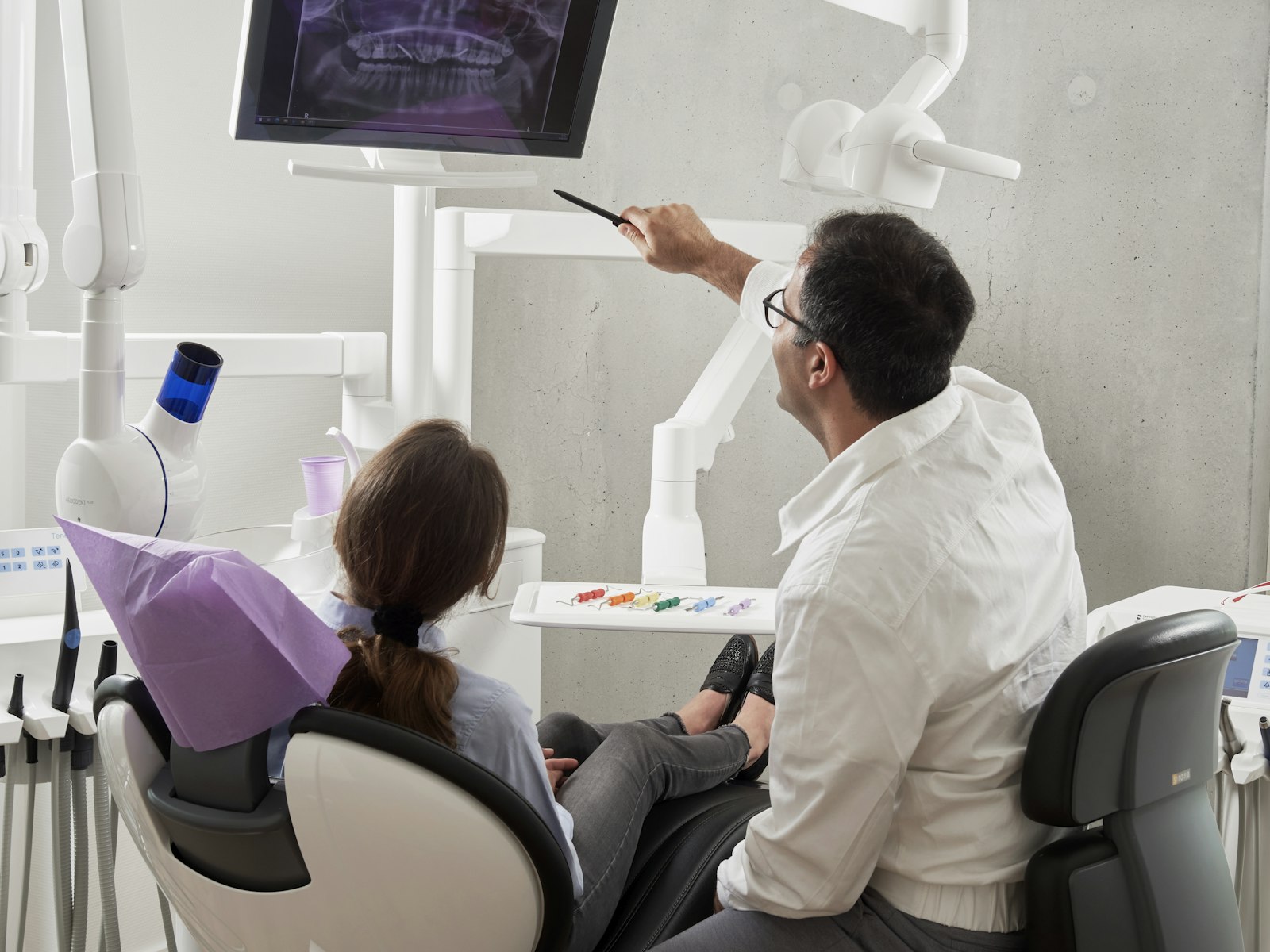
Three forces collided between 2023 and 2026 to make dental the breakout vertical on TikTok and Reels.
The first was demand-side curiosity. Whitening, ASMR-style ultrasonic scaling, before-and-after orthodontic timelapses, and "things your dentist wishes you knew" hit every retention lever the algorithm rewards: visual transformation, mild grossness, perceived utility, and a credentialed voice. A 2025 Journal of the California Dental Association analysis of 1,550 #dentist videos found that clips posted by verified dental professionals had statistically higher engagement than those posted by non-professionals - the audience actively rewards the credential.
The second was supply-side fear of misinformation. DIY teeth filing trends, charcoal whitening hacks, and at-home aligner kits created so much harm that licensed dentists felt obligated to respond. The most-followed dental creators of 2026 explicitly frame their content as "myth-busting" rather than promotion. That framing is what unlocked organic reach for an industry that platforms traditionally throttle for being "medical."
The third was the local-intent shift. TikTok's "Nearby" feed and Instagram's location-tagged Reels now push dental content to viewers within 15 to 25 miles of the creator. A 60-second whitening explainer filmed in Tulsa surfaces predominantly to Tulsa feeds. Combined with link-in-bio booking, that is a direct local acquisition channel that did not exist three years ago. Practices report a 60 to 80 percent conversion rate on patient referrals and a near-zero acquisition cost, and warm short-form views behave more like referrals than like cold ads.
10 content ideas that consistently work for dental practices
Each of these is a repeatable format, not a one-off concept. The point of an AI-assisted workflow is to ship the same template across 50 variations a year.
- "What your dentist wishes you knew about flossing." 30-second talking head, one fact per clip, no product mention. Evergreen on TikTok, Reels, Shorts.
- Whitening myth versus reality. Charcoal, strawberries, hydrogen peroxide rinses - debunk one per video, end with the safe in-office or take-home option (descriptive, not prescriptive).
- Before-and-after orthodontic timelapse (with executed photo authorization, see the compliance section below). Image-to-video animation of the transition, dentist voiceover.
- "What happens at your first visit." Office walkthrough with cloned-voice narration from the front-desk lead. Reduces new-patient no-show rate measurably when sent in the confirmation email.
- Procedure explainer in 60 seconds. Root canal, crown, implant, veneers - one procedure, stylized anatomical b-roll, no graphic footage.
- "Is this a dental emergency?" Q&A format. Tooth knocked out, abscess, lost filling - calm, clear triage guidance without crossing into medical advice.
- Sedation and anxiety education. Anxious patients are an underserved segment; explaining nitrous, oral sedation, and IV options removes the biggest booking objection in cosmetic and surgical practices.
- Insurance and financing explainer. "Why your cleaning was covered but the crown was not" performs reliably because the audience cannot find a clear answer anywhere else.
- Hygienist takeover Reel. ASMR-adjacent ultrasonic scaling, electric polisher, and prophy paste b-roll with a calm hygienist voiceover. High retention, high save rate.
- Multilingual rebuilds of your top three videos. Run your best-performing English clip through dubbing and lipsync into Spanish, Mandarin, Vietnamese, or Tagalog depending on your service area. One asset becomes four.
If you want a broader bank of hook formats to apply to any of these, the 50 plug-and-play hooks library translates cleanly to dental scripts.
HIPAA, state board, and FTC: what you can and cannot do with AI-generated dental content
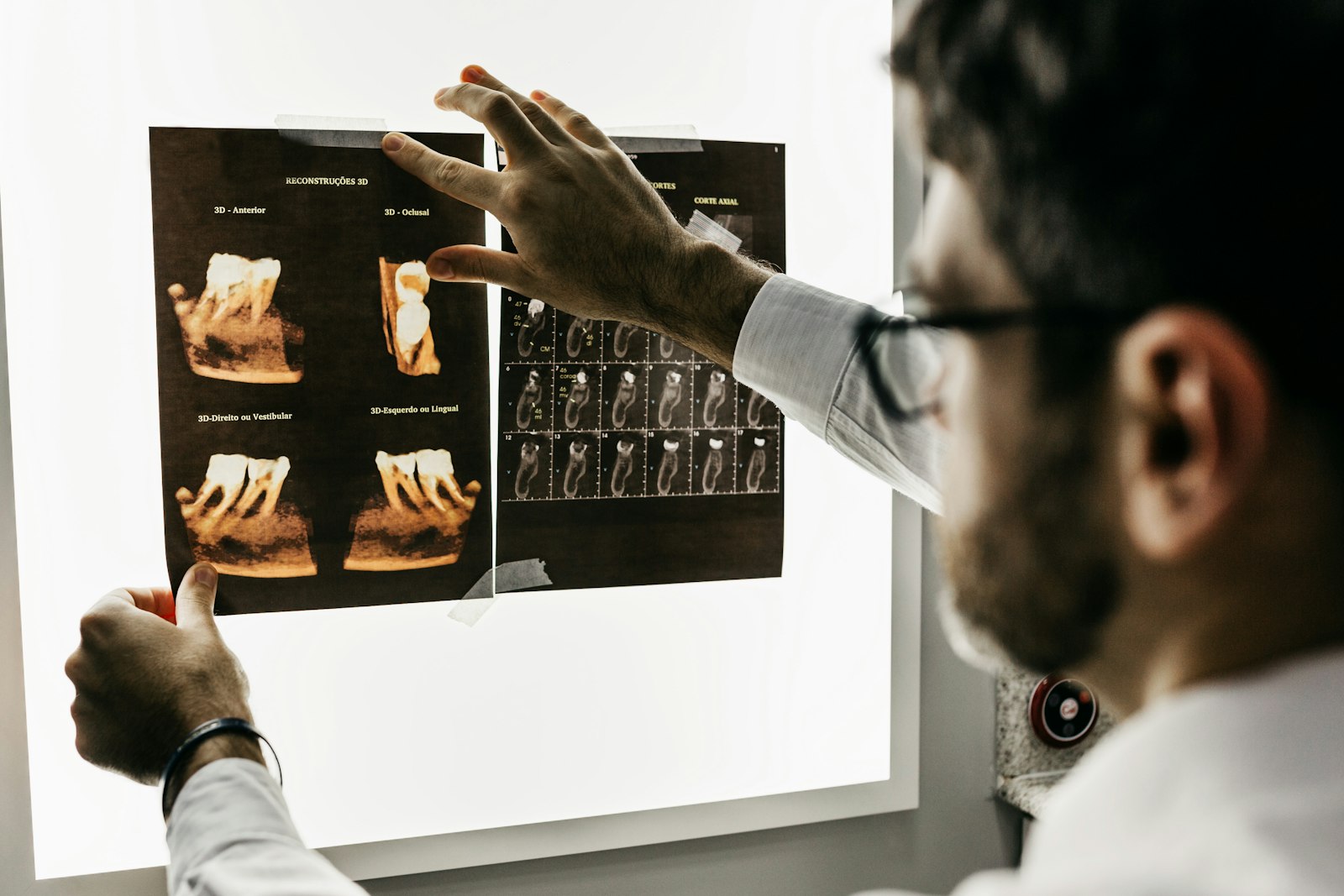
Skip this section and you will eventually get a complaint, a fine, or both. Every constraint below is grounded in current 2026 enforcement patterns, not theory.
- No real PHI in any prompt or generated asset. That includes patient names, initials, treatment dates, chart fragments, room numbers, and any identifiable lab or radiograph. The 2020 Elite Dental Associates case (a 10,000-dollar fine for disclosing a patient's name, condition, treatment plan, and cost in response to a negative review) is still the cleanest cautionary example. AI tools do not change the underlying rule: identifiable information is identifiable whether a human or a model handled it.
- Before-and-after photos require a separate written HIPAA authorization distinct from the consent-to-treat form. The authorization must specify what will be shared, where, for what purpose, and for how long, and must include the patient's right to revoke. Verbal consent, DM consent, comment-thread consent, and emoji thumbs-up consent are all non-compliant. California requires specific documentation language; Georgia requires a "results may vary" disclaimer when results depicted are atypical.
- Do not generate synthetic before-and-afters. The FTC has explicitly named AI-generated patient outcomes as a 2026 enforcement priority across cosmetic specialties, dental included. A "before" image generated to match a real "after" is treated as a fake endorsement under 16 CFR Part 255.
- No AI-generated patient testimonials. Same rule, same penalty regime. If you want testimonials, film real, consenting patients with executed authorizations.
- Disclose AI synthesis when the dentist is not actually on camera. Most state dental boards now expect a brief on-screen note such as "Voiceover generated using Dr. Patel's licensed AI voice clone" or "Animation for illustrative purposes only." The voice clone consent must be documented in writing and scoped to marketing use only.
- No outcome claims without substantiation. "Whitens 10 shades in one visit" needs data on file before publication. "Patients see results in two weeks" is the kind of casual scripting that triggers FTC letters. Stay descriptive ("our in-office whitening protocol uses 25 percent hydrogen peroxide gel") rather than prescriptive or predictive.
- No medical advice in voice or caption. Patient education is fully allowed. Telling a specific patient to stop a medication, change a prescription, or skip a procedure is practicing dentistry through advertising. Stick to general education framing.
The single best mental model is "show, don't sell." Healthcare content that performs on social shows the patient what to expect, how the practice operates, and what the dentist actually thinks - it does not pitch. The pitch happens after the booking, in the chair.
For the broader compliance backdrop on AI-generated assets across regulated industries, the AI copyright and safety guide for creators is the companion read.
The AI video stack for dental practices
| Deliverable | Versely tool | Recommended model |
|---|---|---|
| Dentist avatar intro (cloned face + voice) | UGC Video Generator | Kling 2.5, Hailuo |
| Procedure explainer voiceover | AI Voice Cloning | ElevenLabs v4 |
| Stylized anatomical b-roll | AI B-Roll Generator | VEO 3.1, Wan 2.5 |
| Multilingual dubbing for local-language patients | AI Lipsync | ElevenLabs v4 + Hedra |
| Office tour from still photos | Text to Image plus image-to-video | Flux 1.2 Ultra, Runway Gen-3 |
| Vertical Reels and TikToks at cadence | Story to Video | LTXV2, Kling 2.5 |
| YouTube thumbnails for procedure deep-dives | AI Thumbnail Generator | Ideogram 3 |
The model picks matter. VEO 3.1 handles oral cavity and tool-in-hand motion better than Sora 2 in our testing. Flux 1.2 Ultra renders operatory environments without the warped-instrument artifacts older models produce. ElevenLabs v4 carries dental pronunciation cleanly - gingivitis, periodontitis, prophylaxis, orthognathic, frenectomy - without the awkward syllabic breaks that immediately undermine trust.
Four workflows you can run this week
These are the loops dental practices ship most often. Each is sized for a single staff member to execute in under 90 minutes once the script is approved.
1. The 60-second procedure explainer. Dentist records a 90-second clean voice sample once for cloning. Marketing manager writes a 130-word script per procedure. Versely generates a Kling 2.5 avatar intro (8 seconds), three Wan 2.5 stylized anatomy b-roll cuts (5 seconds each), and an ElevenLabs voiceover bed. Export to vertical for TikTok and Reels plus 16:9 for YouTube and the website FAQ page. Total credits per asset: roughly 184 in Versely terms, versus the 2,800 to 5,500 dollars a healthcare-specialized agency charges for one 60-second educational piece.
2. The weekly "Ask Your Dentist" Q&A. Once a week, the dentist records five 30-second answers to questions from the front desk, DMs, or Google reviews. Each answer becomes a single vertical Reel. Five videos a week, one filming session, one script template. This single loop drives more of the local-intent reach than any other format we see.
3. The before-and-after slideshow (consent-gated). For patients who have signed the HIPAA-compliant photo authorization, build a 30-second slideshow with the slideshow generator, add a dentist voiceover walking through the treatment plan timeline (no specific patient details, just clinical context), and burn in a "with patient consent, results not guaranteed" caption. This format converts veneer and Invisalign consults at roughly 2x the rate of static carousel posts.
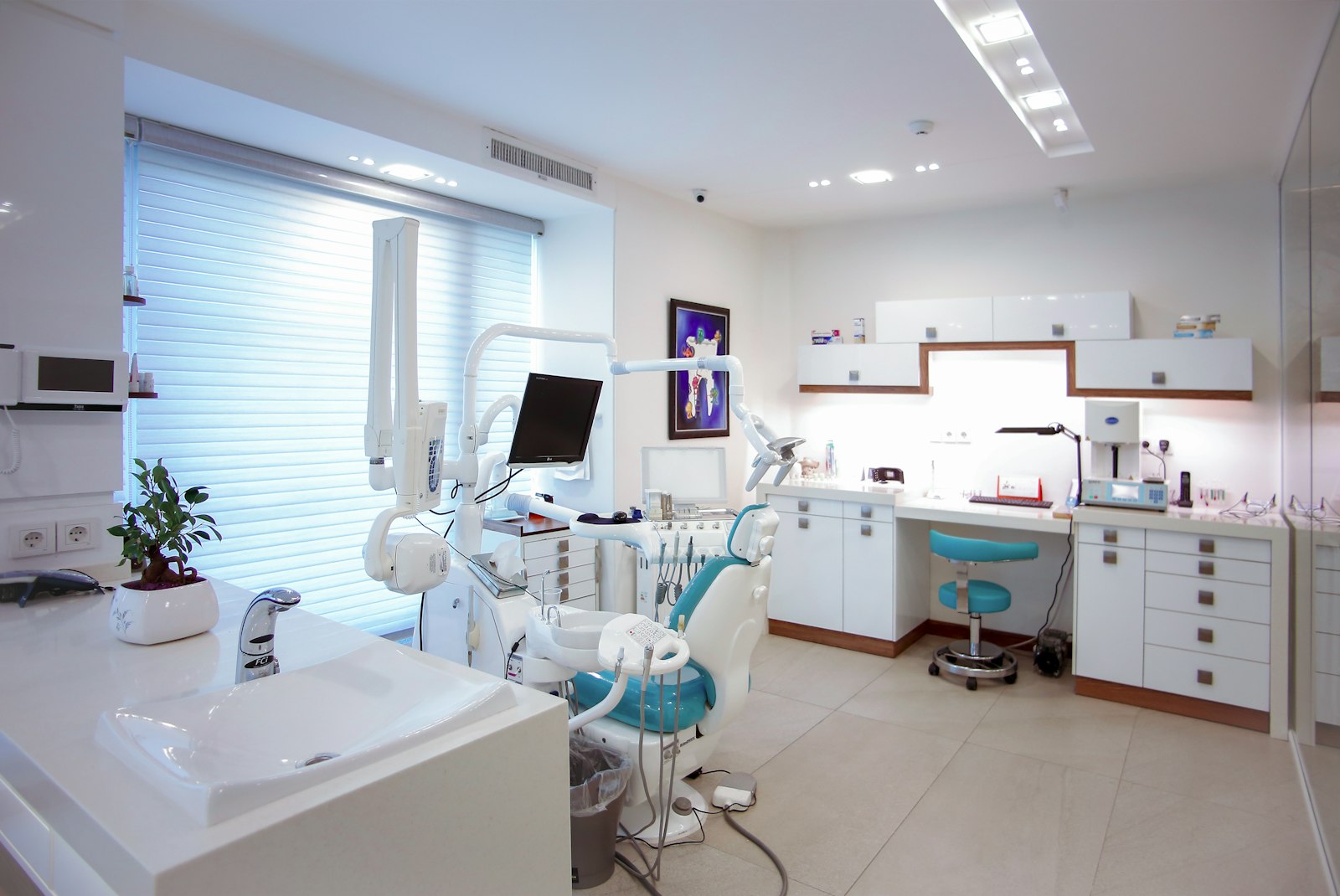
4. The practice intro reel for Google Business Profile. A 30 to 45 second walkthrough showing the operatory, the front desk, the dentist greeting a (consenting) staff member as a stand-in, and the parking area. Image-to-video from five real photos plus a cloned-voice narration. Upload directly to your GBP video slot. We cover the GBP integration mechanics below.
Local SEO and Google Business Profile for dentists
In 2026, your Google Business Profile drives more new-patient calls than your website does for most general dental practices. Google's local pack search results are now roughly 40 percent visual, and video thumbnails in the map results outperform static photos for click-through.
Five specific moves matter:
- Upload video to your GBP. Practices with at least one video on their GBP show a measurable lift in profile-to-call conversion. Use the 30 to 45 second practice intro reel above. Re-upload a fresh cut every 90 days; recency is a soft ranking signal.
- Use Video Schema markup on procedure pages. When you embed a procedure explainer on your "Veneers in [City]" service page, mark it up with VideoObject schema so the thumbnail surfaces in the SERP.
- Build city-specific landing pages with embedded video testimonials from real, consenting patients in that city. A video testimonial from a patient who lives in the neighborhood outranks a generic "happy patient" carousel almost every time.
- Maintain NAP consistency and weekly GBP posts. Posts, photos, Q&A responses, and review replies all feed the "ongoing activity" signal that Google weights heavily in local dental rankings.
- Plan for a 3 to 4 month ramp. Initial movement in map rankings shows up at 90 to 120 days. Dominant page-one for competitive terms like "[city] cosmetic dentist" typically takes 6 to 12 months of consistent execution.
The AI SEO after AI Overviews guide covers the broader generative-search shift that is now reshaping how Google synthesizes dental answers in SGE results.
A monthly content cadence that actually sticks
The trap most practices fall into is the "we'll batch a year of content in one heroic shoot" plan, which collapses by week 4. The cadence that survives a real schedule looks like this:
- Monday: Front desk drops three patient questions from the prior week into a shared doc.
- Tuesday morning, 30 minutes: Dentist records 30-second voice answers to each question (or films talking-head if available). This is also the slot for the weekly avatar refresh.
- Tuesday afternoon, 60 minutes: Marketing manager runs each clip through Versely - Kling 2.5 avatar, b-roll cuts, captions, music bed, thumbnail.
- Wednesday: Review and approval, with the dentist spot-checking medical phrasing and any compliance flags.
- Thursday through Sunday: Scheduled drops across TikTok, Reels, Shorts, and Pinterest, with the highest-performing format auto-rebuilt into the next week's multilingual variant.
Three to five clips per week is the sweet spot. Two clips per week still delivers reach, but five gives the algorithm enough surface area to identify your best-performing format inside 30 days.

What to never do
- Generate a synthetic "patient testimonial." Treated as fraud under FTC endorsement rules. Film real consenting patients or do not run testimonial content.
- Use a stock-looking AI dentist avatar with no real clinician behind it. Prospective patients will Google the name on screen. Always clone a real, licensed dentist actually practicing at the office.
- Publish a before-and-after without a signed, dated HIPAA-compliant photo authorization on file. Verbal consent is not enough. Email-only consent is not enough.
- Auto-translate clinical terms without bilingual review. Dental terminology has regional variants across Spanish-speaking communities; the wrong word signals you do not actually serve that population.
- Publish without burned-in captions. A measured 85 percent of healthcare social video is watched on mute. Captions are not optional, and platform auto-captions miss enough clinical terms to be unsafe.
- Reuse the exact same Kling avatar take across 20 Reels with only voice swaps. The algorithm flags this as repurposed content and throttles reach. Re-render the avatar shot for each video.
Studios and tools for dentists
These are reviewed external tools for teams that want software rather than a studio; each entry is written from the vendor's own site.
- Adit: All-in-one dental practice platform with an AI front desk, call intelligence, HIPAA-compliant texting, email marketing, reviews, and recall campaigns. Named work: Dedicated Dentistry growth case.
- RevenueWell: Dental-only growth stack: SEO, ads, social and video marketing, an AI receptionist, HIPAA-compliant two-way texting, and 100-plus campaign templates. Named work: Archstone Oral Surgery, Dr Dela Rosa.
- Tebra: Practice marketing plus EHR: custom websites, directory listings, HIPAA-compliant AI review replies, and patient-facing reputation tools. Named work: Optimal Psychiatry, Dr Fabius Santos.
- Solutionreach: Patient engagement for dental, medical, and eye care: HIPAA-compliant reminders, two-way text, recalls, the Stella AI receptionist, and post-visit education. Named work: Smile Design Studios Dentistry.
See the best AI tools for dental and medical practices roundup and how listing works.
FAQ
Is it HIPAA-compliant to use AI video tools in a dental practice?
Yes, when no protected health information enters any prompt, script, or generated asset. Versely's generation pipeline does not ingest patient records and is built for marketing content. You should still document an internal policy that no team member uploads patient images, radiographs, intraoral scans, or chart text into any AI tool, and that all before-and-after content runs through a written authorization workflow before publication.
Can I clone the dentist's voice and face if they consent?
Yes. Both voice and visual cloning require explicit written consent from the clinician. Keep a signed release on file that specifies scope (marketing only), duration (such as during employment plus a defined wind-down), and revocation rights. Most state dental boards have not issued specific AI cloning rules yet, but documented consent will be the baseline expectation in any enforcement action.
How do I post before-and-after photos legally?
Use a separate written HIPAA authorization (not the standard consent-to-treat form) that specifies which photos, which platforms, for what purpose, and for how long. Include the patient's right to revoke. Add a state-specific disclaimer where required ("results may vary," "with patient consent," or the language your state board mandates). Keep the signed form and a copy of every published post in your records.
What is a realistic patient acquisition cost for a dental practice running AI video?
General dentistry typically runs 150 to 350 dollars per new patient across channels. Organic short-form video, once you have 60 to 90 days of cadence behind you, tends to bring blended acquisition cost into the 50 to 150 dollar range because the cost is primarily staff time, not paid media. Patients sourced from organic video also convert at higher rates because they have already seen the dentist's face before they call.
How long until the content actually starts moving the needle?
Map and local rankings begin shifting at 90 to 120 days of consistent posting. Booked-appointment lift from organic video is usually visible at 60 to 90 days if you are publishing three or more clips per week and your booking link is prominent in every profile. Long-form YouTube procedure explainers compound for 18 to 24 months and become the highest-LTV channel once they rank.
Ship your first dental explainer this week
Pick the one procedure your front desk explains 20 times a week. Write the 130-word script. Have the dentist record a 90-second voice sample. Generate the avatar intro and stylized b-roll inside Versely's AI video generator. Get the compliance sign-off, burn in captions, and post it Friday. Watch the booked-appointment delta on that procedure for 30 days, then build the second one. Cadence beats production polish in every dental market we have measured.
Sources
- HIPAA Journal, HIPAA Rules for Dentists - Updated for 2026
- Dentplicity, Dental Patient Acquisition Cost Benchmarks (2026 Data)
- Taylor and Francis (Journal of the California Dental Association), Assessing #dentist Content on TikTok: Engagement, Quality, and Implications for Oral Health Care
- First Stop Dental, Google Business Profile for Dentists: The Complete 2026 Setup Guide