

AI Video Style Transfer: Advanced Techniques for 2026
How to maintain a consistent visual style across AI video scenes in 2026 — reference conditioning, style tokens, model-specific tricks, and prompt patterns that hold.
Anyone can generate a great-looking AI video clip. Generating fifteen clips that look like they came from the same film is the actual job. Style transfer — holding a consistent visual look across scenes, characters, and shot types — is what separates a TikTok-grade output from something a brand will actually pay for.
In 2026 we have real tools for this. Reference image conditioning works. Style tokens persist across prompts. VEO 3.1 Ingredients-to-Video lets you lock a visual identity. But the techniques are non-obvious and the failure modes are noisy. This is the working playbook.
Section 1: What "style" actually means in AI video
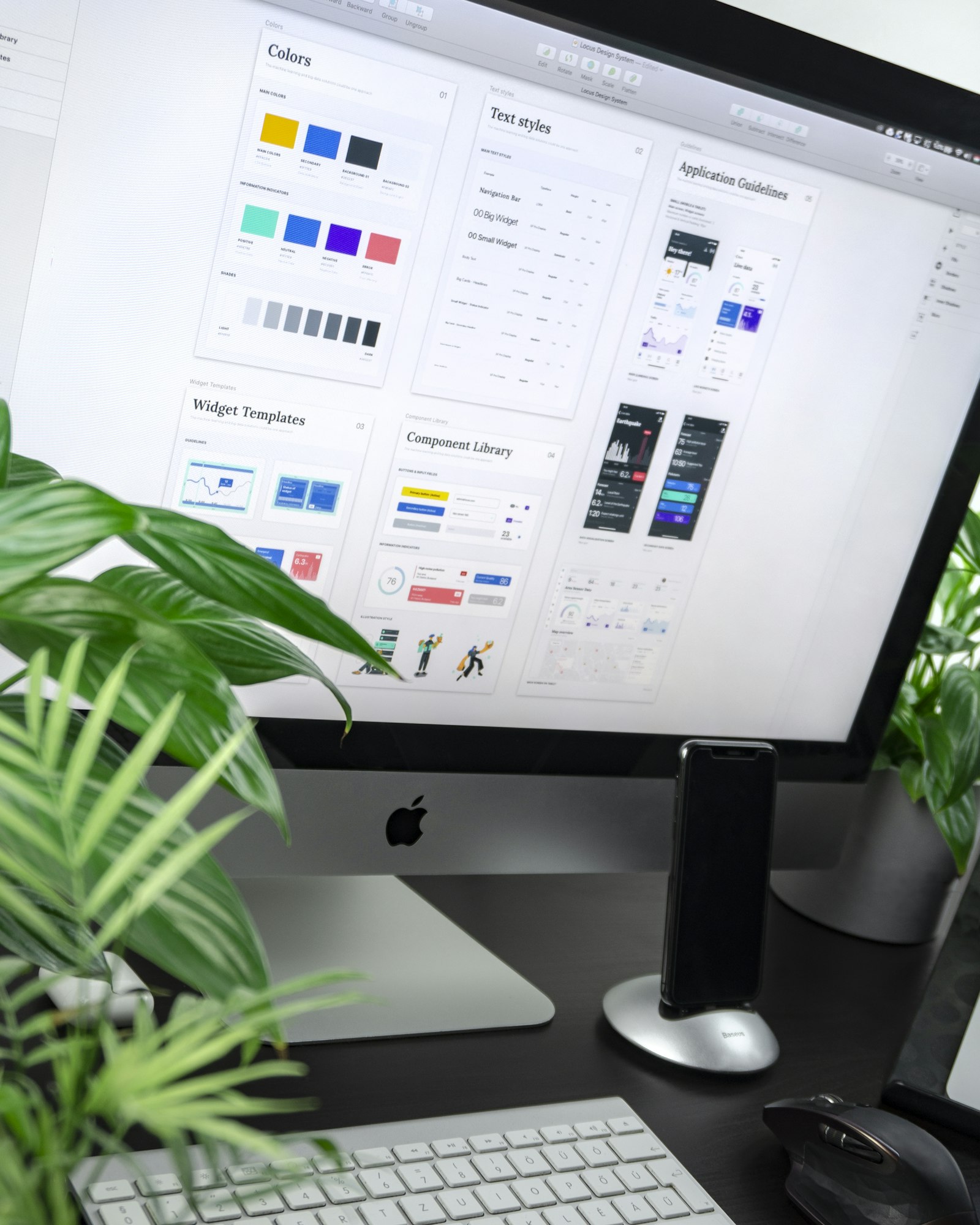
Style is not vibe. Style is a stack of measurable properties that the model can reproduce when you name them correctly:
- Color palette — dominant hues, saturation level, color temperature.
- Contrast and tonal range — crushed blacks, lifted shadows, high-key vs low-key.
- Lighting language — direction, hardness, color temperature, practical sources.
- Lens and grain character — focal length range, depth of field, film grain or digital cleanliness.
- Composition habits — symmetry, rule of thirds, headroom, negative space.
- Motion signature — locked tripod, handheld, slow gimbal, kinetic whip-pan.
- Color grade — teal-and-orange, bleach-bypass, warm fall palette, desaturated arctic.
Once you can name the seven properties, you can prompt for them. Without that vocabulary, "make it look like Wes Anderson" is just a wish.
Section 2: Reference image conditioning
The single most reliable style transfer technique in 2026 is reference image conditioning — feeding the model a still frame whose look it should imitate.
VEO 3.1 Ingredients-to-Video
VEO 3.1 is the breakout model for this. Upload a reference frame as a "style ingredient," then prompt the action separately. The model treats the reference as the visual law and the prompt as the instruction set.
Workflow:
- Generate or shoot a single hero frame in Versely's text-to-image tool using Flux 1.2 Ultra or Midjourney v7.
- Upload that frame to VEO 3.1 as a style ingredient.
- Prompt the action with no style descriptors — let the reference carry the look.
INGREDIENT: [hero_frame.png as style reference]

PROMPT: A man in a navy overcoat walks slowly across the frame
from left to right, slow handheld camera follow at hip height,
ambient room tone.
Because the style is locked in the reference, you can swap actions across ten clips and they all look like the same film.
Kling 3.0 reference mode
Kling supports a reference image but treats it as more of a soft suggestion. Pair the reference with explicit style prompt cues for best results — duplicate the style language in the text prompt.
Runway Gen-4 style references
Runway lets you upload multiple style references and weight them. Useful for blending two looks ("80% Roger Deakins, 20% Wong Kar-wai"), but be conservative — high reference weights can override the prompt entirely.
Wan 2.7 and PixVerse V6
Both accept reference images but lean illustrative. Better for stylized animation transfer than for photoreal cinematic looks.
Section 3: Style tokens that persist across prompts
When reference conditioning is not available — or when you want a more flexible workflow — style token blocks are the next best tool. A style token is a verbatim paragraph you paste at the end of every prompt in a series. The model treats it as a style anchor.
Building a style token block
A strong style token has six elements:
[STYLE TOKEN — paste verbatim into every prompt]

Shot on Arri Alexa Mini LF with Master Prime lenses,
T2.8, 35mm anamorphic 2.39:1, fine 16mm-style grain overlay,
warm tungsten practicals at 3200K, soft natural key from window,
deep shadows, lifted blacks, teal-and-orange color grade,
A24 contemporary drama aesthetic, naturalistic performance,
slow handheld camera, contemplative pacing.
Paste that block at the end of every shot prompt in the sequence. The action changes, the style holds.
Style tokens by aesthetic
1970s American cinema:
Shot on 35mm Kodak 5247, anamorphic Panavision lenses,
heavy grain, warm earthy color palette with mustard and brown,
practical incandescent lighting, slow zoom shots,
locked tripod, contemplative editorial pacing.
Y2K music video:
Shot on MiniDV with handheld camcorder, low resolution,
heavy compression artifacts, harsh on-camera flash,
oversaturated jewel tones, kinetic whip pans, fish-eye lens,
nightclub neon practicals, MTV 2002 aesthetic.
Nordic noir:
Shot on Arri Alexa, Cooke S4 lenses, T2.8,
desaturated cool palette dominated by slate blue and grey,
overcast natural lighting, deep crushed blacks,
locked tripod, slow deliberate camera moves,
Scandinavian crime drama aesthetic.
Wes Anderson:
Shot on 35mm with Cooke Speed Panchros, perfectly symmetrical
composition, locked-off wide and medium shots, pastel color
palette dominated by yellow and pink, flat even lighting,
deadpan performance, dollhouse blocking,
The French Dispatch aesthetic.
Save the four blocks above as snippets — they will get you 80% of the way to a consistent visual identity on any project.
Section 4: Cross-model style transfer
Sometimes you generate the hero frame in one model and need a different model to handle the motion. The transfer between models is where most projects fall apart.
The reliable pipeline
- Hero frame: Generate in Flux 1.2 Ultra or Midjourney v7 for maximum stylistic control.
- Style extraction: Write a verbatim style token block describing the hero frame's look.
- Motion model: Feed the hero frame as a reference into VEO 3.1 Ingredients-to-Video, OR paste the style token block into Kling 3.0 / SORA 2 prompts.
- Sanity check: Render one short clip per model, compare side-by-side.
Models that play well together
- Flux 1.2 Ultra → VEO 3.1: The cleanest transfer. Photoreal hero frame, photoreal motion.
- Midjourney v7 → Kling 3.0: Stylized hero frame, stylized motion. Kling tends to over-realism so reinforce style language.
- Ideogram 3 → Wan 2.7: Best for graphic-design-heavy looks — title cards, illustrated characters.
- Flux 1.2 Ultra → SORA 2: Strong for documentary-style looks. Use prose, not keyword strings.
Models that fight each other
- Midjourney v7 → SORA 2: Midjourney's painterly style often gets sanitized into photorealism by SORA. Use a heavy style token block to compensate.
- Wan 2.7 hero → VEO 3.1 motion: Wan's illustrative output gets pushed toward photoreal by VEO. Either keep both stylized or both photoreal — do not cross the streams.
For a deeper breakdown of model strengths, see our best AI video models guide.
Section 5: Template style transfer prompts
Copy, paste, swap variables. These are the patterns we use weekly.
Template 1: Locked look across a 5-shot sequence
SHOT 1: [ACTION_1]. [STYLE_TOKEN_BLOCK]
SHOT 2: [ACTION_2]. [STYLE_TOKEN_BLOCK]
SHOT 3: [ACTION_3]. [STYLE_TOKEN_BLOCK]
SHOT 4: [ACTION_4]. [STYLE_TOKEN_BLOCK]
SHOT 5: [ACTION_5]. [STYLE_TOKEN_BLOCK]
Template 2: Reference-conditioned brand sequence (VEO 3.1)
INGREDIENT: [brand_hero_frame.png]

SHOT 1 PROMPT: The product sits on the surface, slow rotating turntable.
SHOT 2 PROMPT: Hands enter frame and pick up the product.
SHOT 3 PROMPT: Close-up macro of the product in use.
SHOT 4 PROMPT: Product placed back on surface, camera slowly pulls out.
Template 3: Style transfer across photoreal + stylized B-roll
For a campaign that needs both real footage and illustrative interludes:
- Generate the photoreal style frame in Flux 1.2 Ultra.
- Generate the illustrative style frame in Midjourney v7 with matching color palette.
- Use VEO 3.1 for the photoreal clips, Kling 3.0 for the illustrative clips.
- Apply the same color grade in post for unification.
Versely's AI b-roll generator handles the stitching and grading layer for exactly this workflow.
Template 4: "Make it look like a film I love"
SHOT PROMPT: [your action description]

STYLE TOKEN: Shot in the visual language of [REFERENCE FILM],
[specific cinematographer name] cinematography,
[specific film stock or camera], [specific lens behavior],
[specific color palette in 3-4 hues], [specific lighting habit],
[specific camera motion habit], [specific compositional habit].
Naming the cinematographer pulls more signal than naming the director. "Roger Deakins" yields stronger results than "1917-style."
Section 6: Mistakes that kill style consistency
- Vague style language. "Cinematic," "moody," "epic" produce nothing reproducible. Name the cinematographer, the film stock, the color palette in specific hues.
- Style drift across shots. Forgetting to paste the style token into every prompt. Build it into your shot template.
- Conflicting reference and prompt. Uploading a warm-grade reference then prompting for "cool blue look" — the model gets confused and produces a third style.
- Over-weighting the reference. Pushing reference weight to maximum on Runway can override your motion prompt entirely. Stay around 60-75%.
- Mixing photoreal and illustrative within a sequence. Pick one register per project unless the contrast is intentional.
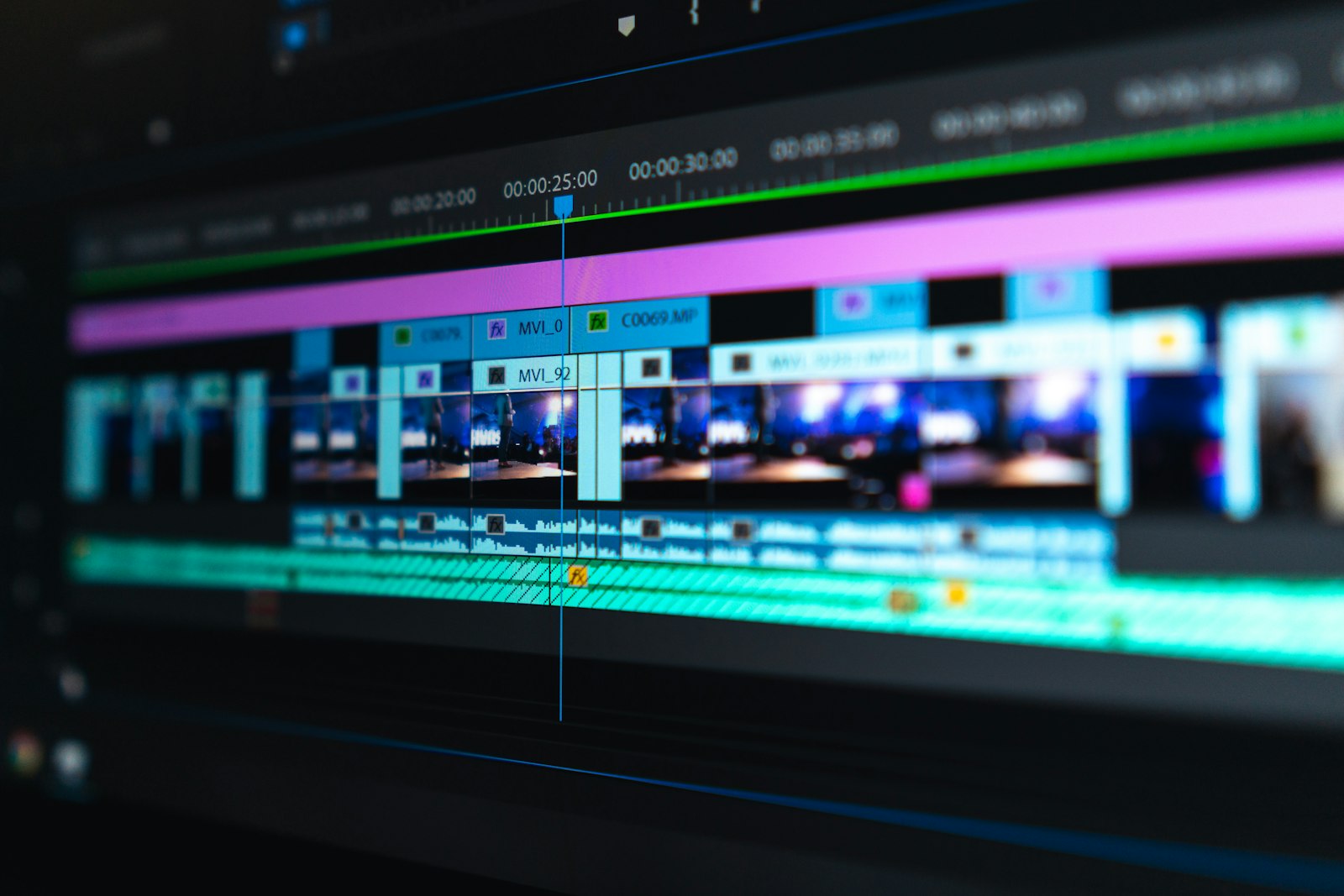
- Skipping the post-production grade. No matter how good the prompt, a final color grade pass in DaVinci or even a simple LUT in your edit unifies more than any prompt trick.
- Forgetting frame rate and aspect ratio. A 24fps anamorphic look and a 60fps social vertical will never feel like the same film, regardless of style tokens.
FAQ
What is the most reliable AI video style transfer technique in 2026?
VEO 3.1 Ingredients-to-Video with a hero frame as the style reference. Generate the frame in Flux 1.2 Ultra or Midjourney v7, upload it as a style ingredient, prompt the action separately. The reference carries the look across every clip in the sequence.
Can I transfer style across different AI video models?
Yes, but with care. The cleanest cross-model transfers are Flux 1.2 Ultra to VEO 3.1 and Midjourney v7 to Kling 3.0. Avoid pairing stylized hero frames with photoreal motion models without a heavy style token block to compensate.
What is a style token block?
A verbatim paragraph describing your visual language — camera, lens, lighting, color palette, grain, composition, motion signature — that you paste at the end of every prompt in a series. It anchors the model to a consistent look without needing a reference image.
Why do my AI video clips look different shot to shot?
Three usual causes — no style token in every prompt, conflicting style cues across shots, and skipping the post-production color grade. Lock a style token block, paste it verbatim into every shot, and apply a unifying LUT in your edit.
Which model handles style references best?
VEO 3.1 for photoreal references, Kling 3.0 for stylized references, Runway Gen-4 for blended multi-reference workflows. Wan 2.7 and PixVerse V6 are stronger on illustrative reference transfer than on photoreal.
The takeaway
Style transfer is not a model feature — it is a discipline. Name the seven properties of your style. Lock a hero frame. Build a style token block. Paste it verbatim. Pick model pairs that play well together. Color grade in post.
The models in 2026 will hold a look across ten or twenty clips if you give them the structure. Without that structure, every clip becomes its own film.
For prompt-engineering fundamentals that pair with these techniques, see our advanced video prompt engineering guide. For multi-scene character continuity, see character consistency across scenes. To build full sequences with locked looks, try the AI movie maker.