

Kling, Veo, or Sora: Runway alternatives
Image-to-video: Kling 2.5 holds the product where Runway Gen-3 drifts after 4 seconds. Text-to-video with dialogue is Sora 2. Photoreal heroes are Veo 3.1.
Looking for a Runway alternative usually means matching a job, not chasing a single brand. Veo, Kling, Seedance, Hailuo, Pika, and Luma trade off dialogue, motion control, volume, and price differently than Gen-4. Pick from the failure you hit most often.
Pick by failure mode you refuse (broken hands, weak audio, slow iteration), not by brand loyalty from 2024.
What changed in AI video between Runway Gen-3 and now
Three structural shifts reset the field.
Audio-native generation arrived. Sora 2 and VEO 3.1 generate synced audio in the same pass as video. Runway Gen-3 still requires you to add sound in post. For dialogue-driven content, that gap is decisive.
Image-to-video fidelity caught up to text-to-video. Kling 2.5, Wan 2.5, and Hailuo can take a single reference image and produce 5-10 seconds of motion that holds product, character, and lighting fidelity. Runway Gen-3 image-to-video drifts visibly after 4 seconds. This matters enormously for ecommerce and product use cases.
The price floor collapsed. Hailuo and LTXV2 at the open-source/low-cost tier produce outputs that, for many social media use cases, are indistinguishable from outputs that cost 10x more on Runway. The pricing pressure has forced everyone to drop, but Runway is still mid-pack on cost-per-second.
Versely path
Keep Runway only if you need motion-brush, one-shot polish. For everything else, route the shot in AI video generator: Veo for dialogue and photoreal hero, Kling for ecommerce image-to-video volume, Hailuo or Wan for cheap cutaways. Still-to-motion starts in image to video. Local trim without upload: video trimmer.
The contenders, honestly assessed
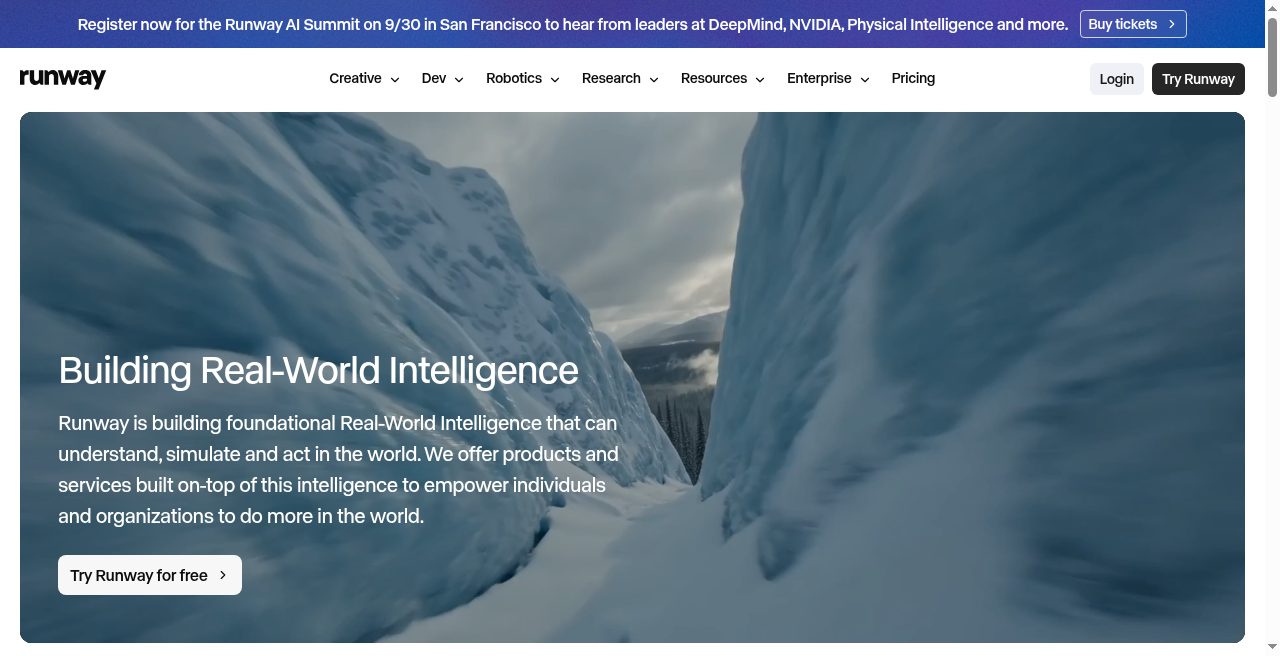
Runway Gen-3
Still the most polished editor UX in the category. Camera-control sliders, motion brush, and director-mode prompts are best-in-class. The model itself in 2026 is mid-tier on photorealism, mid-tier on prompt adherence, and weak on synced audio. Best for editors who want hands-on control on one shot at a time. Worst for batch generation.
Sora 2
OpenAI's flagship, native audio, very strong character consistency across cuts. Strongest model for cinematic narrative work and dialogue scenes. Weaknesses: slow generation times (90-180 seconds per 10-second clip in Q2 2026), occasional aggressive content filtering, and pricing that is opaque inside the OpenAI subscription stack.
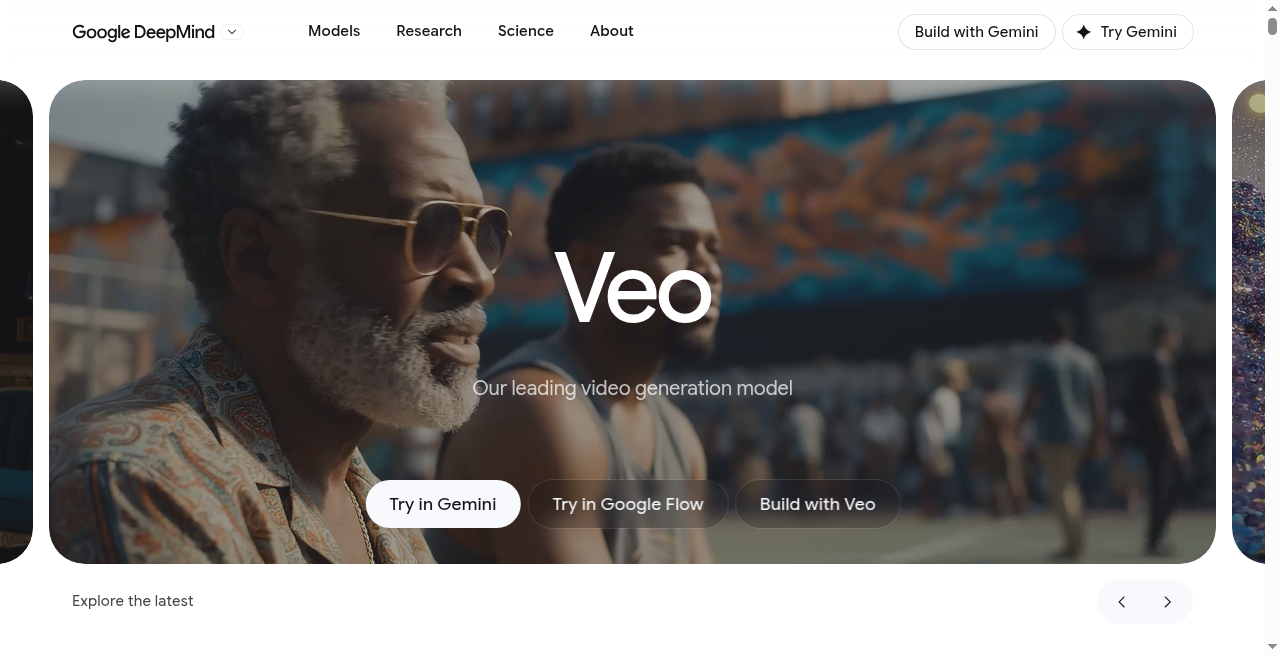
VEO 3.1
Google's flagship, the photoreal benchmark of 2026. Synced ambient audio, exceptional adherence to physical realism (water, hair, fabric), and the most stable first-and-last-frame conditioning of any model. The default pick for product, real-estate, and corporate-explainer work where photoreal matters more than artistic style.
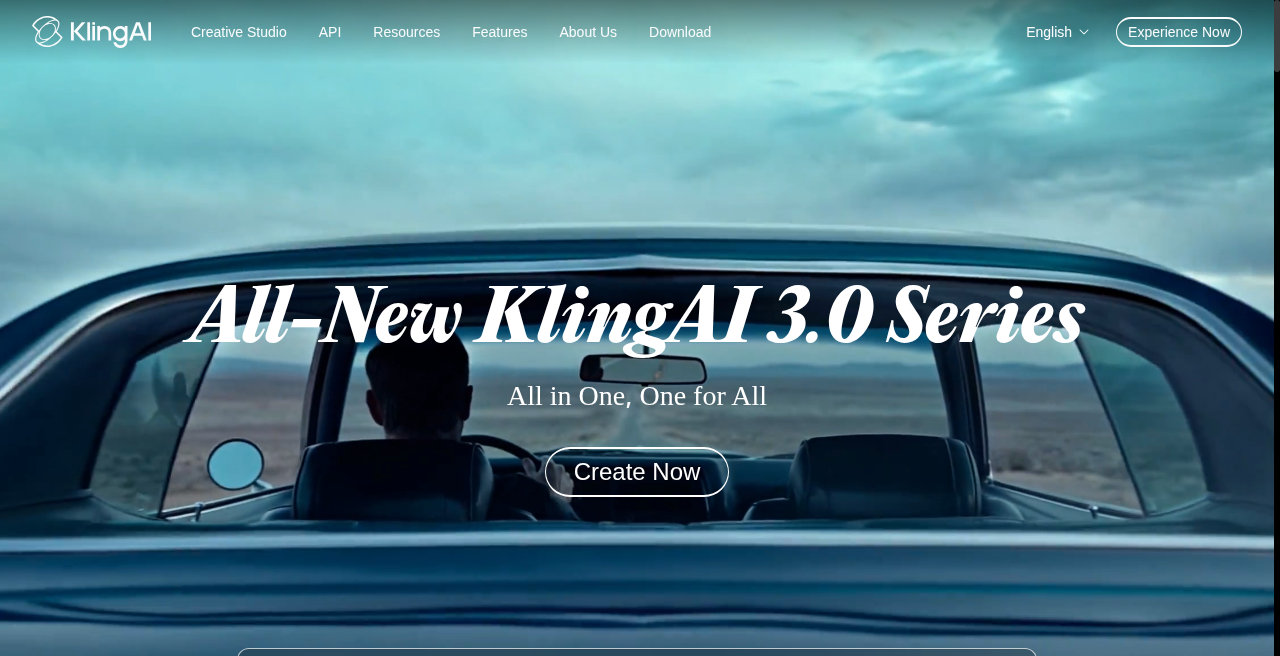
Kling 2.5
The best price-performance image-to-video model in the market. 1080p, 5-10 second clips, strong product fidelity, fast generation. The workhorse for ecommerce sellers, social-media shops, and any creator who needs volume.
Wan 2.5
Alibaba's open-architecture model, particularly strong at first-last-frame and image-to-video for character work. Excellent at preserving facial identity across cuts, which matters for talking-head and avatar workflows.
Hailuo (MiniMax)
The dark horse of 2026. Photoreal, fast, cheap, and surprisingly strong on motion physics. Lighter on prompt adherence than VEO 3.1 but at roughly a third of the cost. The pick for creators on a budget who still need photoreal.
Pika 2.2
Strong at stylized, cinematic-looking outputs and short-form social. Pikaframes feature is a useful first-last-frame alternative. Less photoreal than VEO 3.1 or Sora 2, more artistic. Good for brand-led creators who want a distinctive look.
Luma Dream Machine 1.6
The smoothest motion of any model in the category. Camera moves feel like a real Steadicam. Weaker on character consistency than Sora 2 or Wan 2.5. Best for travel, lifestyle, and atmospheric b-roll.
LTXV2
Open-source, runs on consumer GPUs, and surprisingly capable for short clips. Not in the same league as VEO 3.1 on photoreal, but the cost (effectively zero per generation if you self-host) makes it viable for high-volume internal R&D and prototyping.
Pixverse v6
Strong at anime and stylized character work. Niche but dominant in that niche. If your brand is in the anime / kawaii / vtuber space, Pixverse outperforms the photoreal models because it is not trying to be photoreal.
Section 3: Pricing reality check
Approximate retail pricing for a 5-second 1080p clip at standard quality, May 2026:
- Runway Gen-3 Alpha: 0.50-0.95 dollars
- Sora 2 (via OpenAI bundle): 0.40-0.80 dollars effective
- VEO 3.1: 0.50-1.10 dollars
- Kling 2.5: 0.18-0.30 dollars
- Wan 2.5: 0.15-0.28 dollars
- Hailuo: 0.20-0.35 dollars
- Pika 2.2: 0.30-0.60 dollars
- Luma Dream Machine: 0.35-0.70 dollars
- LTXV2 (self-hosted): effectively 0 per clip, GPU cost only
- Pixverse v6: 0.25-0.45 dollars
The math is brutal. A 30-shot ad campaign on Runway Gen-3 costs 15-28 dollars in compute. The same campaign on Kling 2.5 costs 5-9 dollars. Across hundreds of campaigns a year, the gap is real money.
But the price-only frame is wrong. The right question is cost-per-usable-clip, which factors in regenerations. A 0.95-dollar VEO 3.1 generation that nails the prompt on attempt one is cheaper than a 0.20-dollar Kling generation that takes five tries to land.
Section 4: Use-case-based picks
This is the section most "best AI video tools" articles refuse to write because it requires opinions. Here are mine, in 2026.
Photoreal product hero shots: VEO 3.1, distantly followed by Hailuo at a third the cost.
Image-to-video for ecommerce: Kling 2.5. The product fidelity is unmatched at the price.
Cinematic narrative shorts (with dialogue): Sora 2. The audio-native generation makes the difference.
Talking-head avatars: Use a dedicated avatar tool (HeyGen Avatar V3 or Kling Avatar V2) with AI Lipsync, not a general-purpose video model.
Stylized brand content: Pika 2.2 if you want cinematic-painterly. Pixverse v6 if you want anime.
Travel, lifestyle, atmospheric b-roll: Luma Dream Machine 1.6 for the camera motion, VEO 3.1 Fast for raw photorealism.
High-volume social-media variants: Kling 2.5 plus Hailuo, batched. The cost per variant matters more than perfection.
Educational explainers: VEO 3.1 for the visuals, ElevenLabs v4 for narration, AI B-Roll Generator for cutaways.
Music videos and abstract content: Pika 2.2 or Luma. Stylization wins here.
Internal prototyping: LTXV2 self-hosted. Iterate cheaply, then re-render the keepers in VEO 3.1 or Kling 2.5.
Section 5: The multi-model workflow most pros actually run
Here is the open secret of 2026: nobody is running a single-model workflow. The senior video creators I work with route every shot to the model that is best for it, and they hate having seven subscriptions.
The typical pro workflow:
- Storyboard the shoot. What shots are needed, what is the role of each (hero, b-roll, dialogue, transition).
- Route per shot. Hero photoreal goes to VEO 3.1. Dialogue scenes go to Sora 2. B-roll lifestyle goes to Luma. Image-to-video goes to Kling.
- Generate in parallel. All shots, all models, batched.
- Assemble in AI Movie Maker for the multi-scene cut, or Story to Video for narrative-driven outputs.
- Audio pass. Native audio from VEO/Sora where present. ElevenLabs for any cloned-voice narration via AI Voice Cloning. Lyria for music.
- Final composition. Overlay captions, add brand color grade, export.
This is the workflow Versely is built for. One subscription, every model, a single composition layer. See AI Video Generator for the routing UI and best AI video generation models 2026 for the deeper model selection logic.
Section 6: The honest comparison table
| Model | Photoreal | Motion physics | Prompt adherence | Audio-native | Price tier | Best for |
|---|---|---|---|---|---|---|
| Runway Gen-3 | Mid | Mid | High | No | $$$ | UX-driven editing, single-shot polish |
| Sora 2 | High | High | High | Yes | $$$ | Cinematic narrative, dialogue scenes |
| VEO 3.1 | Highest | Highest | Highest | Yes | $$$ | Photoreal product, real estate, corporate |
| Kling 2.5 | High | High | Mid-high | No | $ | Ecommerce I2V, high-volume social |
| Wan 2.5 | High | Mid-high | High | No | $ | Character consistency, first-last-frame |
| Hailuo | High | High | Mid | No | $ | Budget photoreal, fast iteration |
| Pika 2.2 | Mid | Mid-high | Mid-high | No | $$ | Stylized brand content, music videos |
| Luma Dream Machine | Mid-high | Highest (smoothness) | Mid | No | $$ | Travel, lifestyle, atmospheric b-roll |
| LTXV2 | Mid | Mid | Mid | No | Free (self-host) | Prototyping, internal R&D, volume |
| Pixverse v6 | N/A (stylized) | Mid-high | High (in-style) | No | $ | Anime, stylized character work |
Read this table once and stop asking "which is the best AI video tool." There is no answer to that question. There are answers to "which is best for this shot."
The Runway-specific switching question
If you are on Runway today and considering a switch, the honest framing:
- Stay on Runway if your workflow is one shot at a time, high-touch editing, and you value the motion-brush UX more than the underlying model quality.
- Switch to a multi-model platform if you generate more than 20 clips a month, work across multiple use cases, or are paying for outputs that increasingly fall short of what VEO 3.1 or Sora 2 produce.
- Add a multi-model tool alongside Runway if you want to keep the Runway editor but route specific shots to better models. Versely's API can produce the shot in VEO 3.1 or Kling 2.5 and you import to Runway for the final edit.
For complementary reading on creator workflows, see how to make viral short-form videos with AI and the AI content creation 2026 complete playbook.
FAQ
Is Runway Gen-3 still worth it in 2026?
For specific use cases (single-shot editing, motion-brush control), yes. As your default model for everything, no. The price-per-quality has been beaten by VEO 3.1 on photoreal and Kling 2.5 on volume.
What is the best free Runway alternative?
LTXV2 if you have a 24GB+ GPU and are comfortable with self-hosting. For cloud-hosted free tiers, Hailuo and Kling both offer trial credits monthly, but neither is a sustainable free option for production work.
Can I use Sora 2 for commercial work?
Yes, on the OpenAI plan tiers that include commercial-use rights. Read the terms carefully, especially around recognizable people and brands. The same caution applies to every model in this list.
What about VEO 3.1 access, is it gated?
VEO 3.1 is available through Google Cloud, Vertex AI, and through aggregators like Versely. The Vertex API is the most direct route but requires GCP setup. Aggregator access is faster to start.
Is it worth subscribing to all of these?
No. That is the case for a routing platform like Versely or for picking two or three models that cover your use cases. The typical solo creator can cover 95 percent of needs with VEO 3.1 plus Kling 2.5.
Closing
The Runway-vs-everyone-else conversation in 2026 is settled: Runway is one tool among many, no longer the obvious default. The right move is to stop thinking in terms of which tool, and start thinking in terms of which model for which shot. Versely's AI Video Generator gives you VEO 3.1, Sora 2, Kling 2.5, Wan 2.5, Hailuo, and LTXV2 in one routing layer, so you pay for the output, not the subscription stack.
Pick one shot from your current project, generate it in three different models side by side, and decide for yourself. That comparison will teach you more in 20 minutes than any review article.
Related on Versely: Image to video, Video trimmer.