

AI video for YouTube long-form solo creators
How solo YouTubers ship 8-15 minute videos every week using AI b-roll, voice clones, and thumbnail generators. The 2026 long-form workflow that actually retains viewers.
YouTube long-form is in a strange place in 2026. The algorithm has spent two years aggressively rewarding Shorts, then quietly pivoted back: as of Q1 2026, mid-roll-eligible videos in the 8 to 15 minute window are paying out an average of 2.4x the RPM of sub-3-minute uploads, and the home feed is once again surfacing them above Shorts for established channels. Translation: long-form is monetizable again, and the solo creators who can ship one polished 10-minute video per week are pulling away from the rest of the field.
The bottleneck has always been production time. A 12-minute talking-head video with b-roll, lower-thirds, and a thumbnail that earns a click used to take a four-person team two days. This guide shows how a single creator can do it in an afternoon using Versely, without the video looking like an AI slop dump.

What the 2026 long-form algorithm actually rewards
Forget what worked in 2023. The current YouTube ranking signals on long-form are:
- Average percentage viewed above 50 percent on a 10-minute video. This is the single biggest input.
- Click-through rate of 6 to 12 percent on the first 24 hours of impressions. Below 4 and the video gets buried.
- Session time after your video ends. If viewers leave the platform after watching, your next upload gets throttled.
- Returning viewer share above 35 percent on a published video signals to the system that you have a real audience.
Everything below in this guide is engineered for those four numbers. Not for the dopamine of vanity views.
Format that performs in 2026
The current sweet spot for solo channels is 8 to 15 minutes, with a 45-second cold open before any branding, a 90-second context-setting middle, and three to five clearly chaptered acts. Chapters are no longer optional. YouTube's auto-chapter detection is now part of the recommendation graph, and videos with manually labeled chapters get a measurable lift in suggested-video impressions.
Hooks that earn the first 30 seconds
The first 30 seconds decides whether you keep the viewer or feed the bounce-rate. The hook formats that consistently retain in 2026:
- The contradiction hook. "Everyone says you need a niche to grow on YouTube. I grew to 400k subscribers without one. Here's exactly what I did instead."
- The cost-of-inaction hook. "If you're shipping one YouTube video a month in 2026, you are not building a channel. You are journaling in public."
- The receipts-first hook. Open on a screen recording of your analytics, your bank account, or a tangible artifact of the result. Then explain.
- The negative promise. "This video will not teach you how to go viral. It will teach you how to never need to."
- The scene-and-question. Open mid-action ("I'm sitting in a hotel room in Lisbon at 2am editing this"), then ask the question that frames the rest.
Pick one and commit to it for the entire video. Mixing two collapses retention.
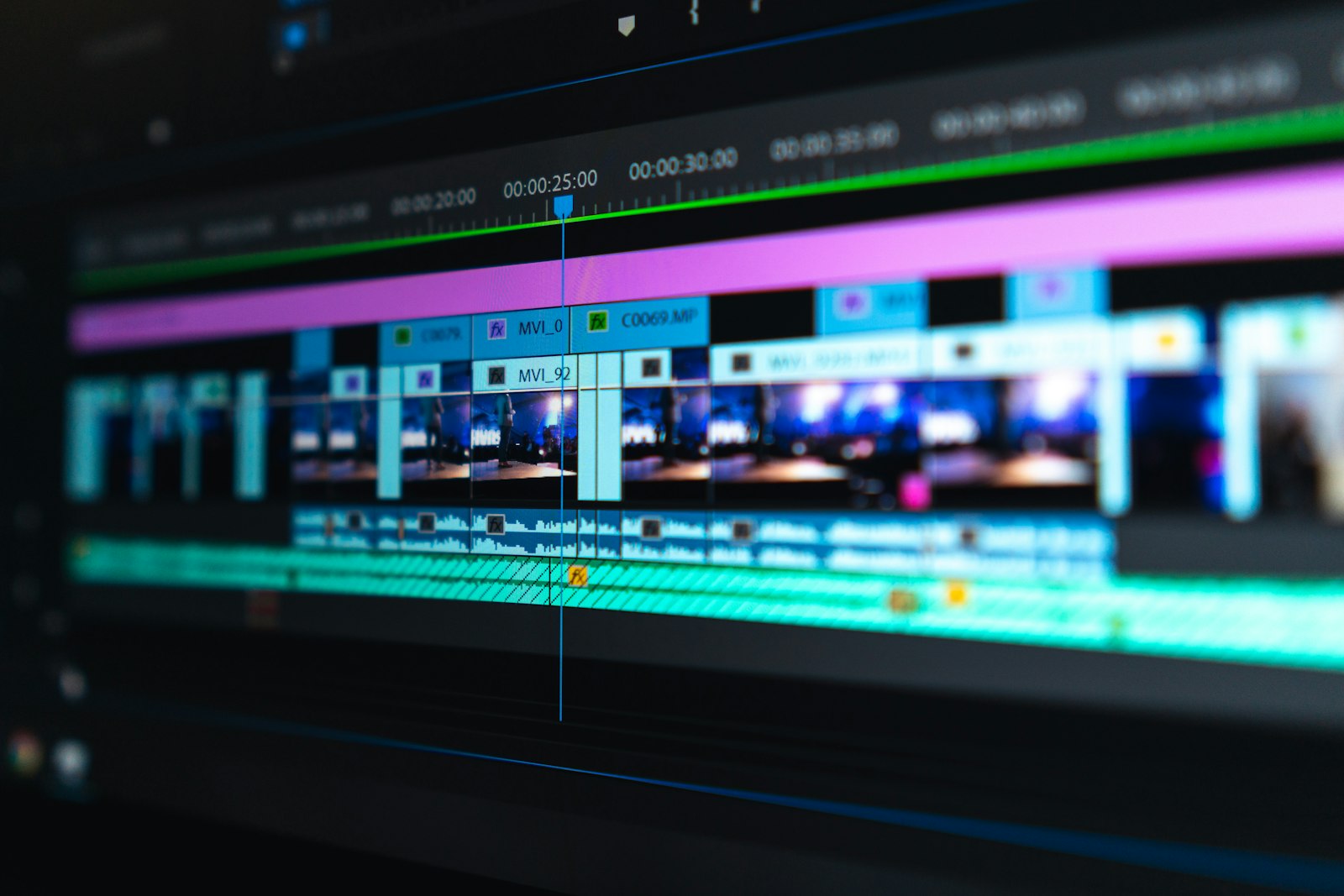
The Versely AI workflow for a 12-minute video
This is the actual loop a solo channel runs from blank script to scheduled upload.
1. Record the talking-head A-roll
One take, phone or mirrorless, no edits in the camera. Aim for 14 to 16 minutes raw to cut down to 12. Don't perform; just talk.
2. Transcribe and cut on text
Run the raw audio through your transcription of choice, then delete every "um," tangent, and rambled sentence. You should land at roughly 11 to 13 minutes of A-roll.
3. Generate b-roll with AI
This is where solo creators historically lost to teams. With AI B-Roll Generator you can fill the visual gaps in minutes. Use VEO 3.1 for the hero b-roll moments (anything the viewer will pause on) and Hailuo or Wan 2.7 for filler cutaways where speed matters more than fidelity.
A prompt that works:
"Cinematic over-the-shoulder shot of a person typing on a laptop in a dim home office at night, soft warm key light from the screen, shallow depth of field, slow dolly-in, 5 seconds, no people facing camera, no text on screen."
The "no people facing camera" line matters. It prevents the model from inventing a face that breaks continuity with your A-roll.
4. Add static visuals and lower-thirds
Text to Image with Flux 1.2 Ultra or Midjourney v7 handles diagrams, scene-setters, and the screenshot mockups you would otherwise have to build in Figma. For numbers and charts, generate a clean background plate and overlay the data in your editor; do not let the model invent statistics.
5. Voiceover for the cold open and pickup lines
Use AI Voice Cloning with ElevenLabs v3 to clone your own voice from a 90-second sample. Now you can write a tighter cold open in text, generate it in your voice, and avoid re-recording. This is the single biggest production-time saver in the workflow.
6. Thumbnail
AI Thumbnail Generator with Ideogram 3 or Flux 1.2 Ultra. Generate eight variants. Test the top two with TubeBuddy or YouTube's built-in test-and-compare. Replace at the 24-hour mark if CTR is below 5.
7. Chapters, end-screen, and description
Write 5 to 8 chapter timestamps with descriptive labels (not "Intro / Middle / End"). Build a clean end-screen that points to one playlist and one related video. The description should open with a 2-sentence summary that contains your primary keyword in the first 12 words.
Cadence: one polished video per week beats three mediocre ones
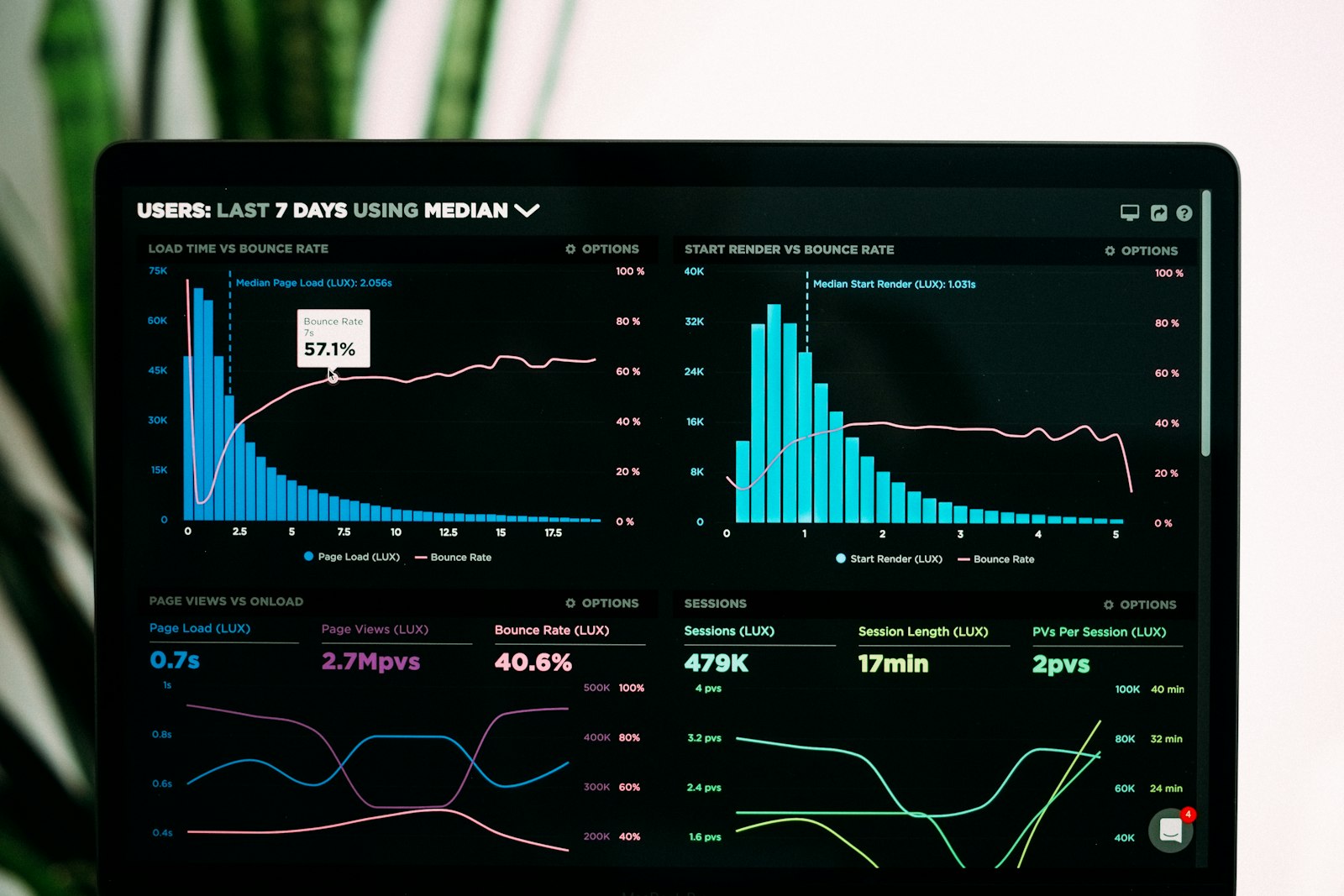
The 2026 algorithm punishes inconsistency more than it rewards volume. The data: channels that ship one video on the same day each week for eight straight weeks see a median 38 percent lift in subscriber growth versus channels that ship three irregularly.
If you can only sustainably ship one 10-minute video per week, ship one. Use the off days for a single Short pulled from your long-form's best 30 seconds, and a community post that teases the next upload.
Templates that retain
Three structures that consistently break 55 percent average percentage viewed on a 10-minute video:
The teardown. "I analyzed 50 of [thing]. Here are the 4 patterns nobody talks about." Open with the surprise pattern, then walk through the methodology, then give the four patterns with a b-roll example each.
The first-person experiment. "I did [hard thing] for 30 days. Here's what actually changed." The hook is the result; the body is the daily texture; the close is the takeaway.
The contrarian explainer. "Why [popular advice] is wrong, and what to do instead." This format thrives because it generates comments, which feed the recommendation graph.
For each, you can use AI Movie Maker to storyboard the b-roll sequence before you generate, so you are not paying for clips you do not use.
Common mistakes that kill retention
- Logo reveals before the hook. Every second before the hook bleeds 1 to 2 percent of viewers. Cold open first, branding at 0:45.
- AI voiceover for the entire video. Viewers can hear it. Use cloned voice for pickup lines and cold opens; record the body in your real voice.
- Dense b-roll that fights the script. B-roll should illustrate, not distract. One b-roll cut every 8 to 12 seconds of A-roll is plenty.
- Thumbnails that promise things the video does not deliver. YouTube tracks the gap between CTR and retention. Misleading thumbnails get flagged algorithmically and tank future impressions.
- No end-screen strategy. Sending viewers to "subscribe" instead of to your next video is the most common reason creators have low session-time scores.
- Skipping chapters. This single field, filled in correctly, has lifted suggested-video impressions on tested channels by 12 to 18 percent.

FAQ
How long should a YouTube long-form video be in 2026?
The mid-roll-monetizable sweet spot is 8 to 15 minutes for most niches. Tutorial and education channels can extend to 18 to 22 minutes if retention holds above 45 percent. Anything past 25 minutes, you should be confident your audience is searching for it intentionally rather than discovering it.
Will YouTube penalize AI-generated b-roll?
YouTube's 2026 policy requires disclosure of synthetic or altered content that depicts realistic events or people. Stylized AI b-roll (cinematic shots of objects, environments, abstract motion) does not require disclosure. AI footage that depicts real-looking people doing real-looking actions does. When in doubt, toggle the disclosure on; it does not affect monetization or distribution.
Can I use a cloned voice for the entire video without disclosing?
You can use your own cloned voice without disclosure since the likeness is yours. Cloning anyone else's voice without explicit consent is a policy violation and a legal risk in most jurisdictions. Stick to your own voice clone, and keep the consent record.
What's the right thumbnail style for 2026?
High-contrast, three elements maximum, face on the right or left third (never centered), one curiosity-gap word in 80-point bold. Avoid the red-circle-and-arrow look; the algorithm has been demoting it since late 2025 for clickbait correlation.
How many videos per week should a new channel publish?
One. Build the muscle of consistency before you build the muscle of volume. After 12 weeks of one video per week with stable retention, then add a Short twice a week. See the viral short-form playbook for that motion.
Takeaway
YouTube long-form rewards the creators who can ship a clean, well-paced, well-thumbnailed 10-minute video every single week without burning out. The Versely stack above is how solo creators are winning the time math: AI b-roll for the visual gaps, cloned voice for pickups, generated thumbnails to test variants, and a structure that respects the four metrics the algorithm actually cares about. Pick a hook, commit to a cadence, and let the workflow do the heavy lifting.
For model-by-model selection, our best AI video generation models 2026 breakdown is the companion read. Then open AI Video Generator and ship the first one this week.