

Recraft V3 vs Ideogram V3: The Brand Graphics AI Showdown 2026
Recraft V3 owns vectors and brand-locked styles. Ideogram V3 owns typography and ad headlines. Five head-to-head tests, pricing, and a decision matrix.
For most of the last two years, the "best AI image model" conversation was about photoreal portraits and cinematic stills. In 2026 the conversation for design teams has shifted somewhere much narrower and much more useful — which model produces the cleanest brand-ready graphics. Logos. Posters. Pack shots. Ad creatives with a headline that has to be spelled correctly. Vector marks you can drop into Illustrator without redrawing. Style boards that stay on-brand across forty variants.
Two models dominate this category in mid-2026, and they win on completely different axes. Recraft V3 is the only general-purpose image model that natively outputs true SVG vector files and locks a brand style across generations. Ideogram V3 renders in-image text with roughly 94% character accuracy on quoted strings — the highest of any commercial model, and the reason nearly every poster, ad and packaging brief now goes through it first. (Recraft V3 launch, Ideogram 3.0 features)
This is the head-to-head, run on the deliverables design teams actually ship.

The 60-second verdict
If your deliverable is a logo, icon set, illustration system, or any asset that needs to live as an editable SVG, Recraft V3 is the right model. If your deliverable is a poster, ad creative, packaging mockup, social card, or anything with a meaningful block of in-image text, Ideogram V3 is the right model. Most teams running real brand work need both, which is why both ship inside Versely's text-to-image tool with shared assets and unified billing.
Recraft V3 at a glance
Recraft V3 — internal codename red_panda — launched in October 2024 as a 20-billion-parameter model purpose-built for design, and held the #1 position on the Artificial Analysis Text-to-Image leaderboard for over five consecutive months with an ELO of 1172 against Midjourney v6.1, FLUX 1.1 Pro and DALL-E 3 HD. (Recraft V3 launch)
What makes it different from a Flux or a Midjourney is not the photoreal quality — it's three design-system features baked into the model itself.
Native SVG output. Recraft V3 generates true scalable vector graphics from the same prompt surface used for raster images. The output is real SVG that opens in Illustrator, Figma, Affinity or any vector editor with editable paths, not a raster traced into pseudo-vectors. For logo work, icon systems, pictogram libraries, simple illustrations and any asset that needs to scale from a favicon to a billboard, this is a category-defining capability that no other major model offers in 2026.
Brand style locking. Upload three to five reference images and Recraft V3 captures the brand's visual fingerprint — color palette, composition feel, lighting language, line weight, illustration style — and applies it consistently across every subsequent generation. The same "style" applies to a hero image, an icon, a spot illustration and a social card without the brand looking like it was assembled from a stock library.
Color palette controls. Recraft V3 exposes a controls.colors parameter at the API level that locks specific hex values into the output. Brand teams that have spent years getting designers to stop drifting on the primary blue finally have a model that respects the hex code instead of approximating it. Recraft's own guidance notes that pre-defining colors via the controls parameter produces materially more brand-accurate outputs than describing colors in the prompt text. (Flux vs Ideogram vs Recraft comparison)
On top of this, Recraft ships a full design suite around the model — AI Eraser, Modify Area, Inpainting, Outpainting, AI Mockuper, Creative and Crisp Upscalers, AI Fine-Tuning and Background Remover — so an entire brand asset workflow can live in the same tool without round-tripping.
Ideogram V3 at a glance
Ideogram V3 launched on March 26, 2025 and remains the model to beat on any deliverable where text has to render correctly inside the image. It hits roughly 90-95% spelling accuracy across headlines, and 94% character accuracy on text passed in quotes versus 71% when the same text is merely described — a gap that matters enormously for ad creative with specific brand copy. (Ideogram V3 features)
The model uses an architecture mechanism called Implicit Character Position Alignment (ICPA), which gives precise spatial control over where text lands. That's the reason Ideogram V3 will reliably render curved text wrapping a circular mark, slanted text across a poster, and text that follows irregular paths around a hero subject — the kind of layout work that broke prior text-to-image models entirely.
Where it shines. Posters and movie one-sheets. Ad creative with headline plus benefit plus CTA. Packaging mockups with legible front-of-pack copy. Social cards with quoted statistics. App store screenshots with feature callouts. Infographics with chart labels. Magazine-style editorial covers. Anything where words are not an afterthought.
Style References. Ideogram V3 lets you upload up to three reference images to control aesthetic, plus a Random style mode that explores a library of 4.3 billion presets. The Style References system has matured to the point where you can stamp a consistent campaign look across thirty variants without prompt drift. (Ideogram 3.0 features)
Multilingual text. Ideogram V3 renders accurate text in 40+ languages including Arabic, Mandarin, Cyrillic and Devanagari scripts — a meaningful unlock for localized campaigns that previously required hand layout per locale.
The limitation worth flagging: Ideogram V3 outputs raster only. There is no vector path. For logo work, scalable icons or any asset destined for an SVG handoff, this is the wrong tool — which is exactly where Recraft V3 picks up.
Head-to-head: five brand graphics tests
We ran both models against five categories of brand deliverable that come up in real client work. Same brief, same reference images, same number of attempts.
1. Typography rendering
The brief: a poster headline reading "Built for the long run" with a sub-headline "Performance gear, made to last" beneath. Both lines must render legibly with consistent kerning.
Ideogram V3: Nailed it on the first generation. Both lines rendered with correct spelling, consistent kerning, no dropped letters. Layout-aware enough to leave breathing room and balance the type weight against the hero subject. This is the category Ideogram was built to win.
Recraft V3: Acceptable on the headline, dropped a letter from the sub-headline on two of three attempts. Recraft's text rendering is meaningfully better than Flux or Midjourney v6.1, but for paragraph-length copy or multi-line layouts it still trails Ideogram by a clear margin.
Winner: Ideogram V3 by a wide margin.
2. Brand color fidelity
The brief: render the same icon in three brand hex values — #0B5FFF primary blue, #FFB400 accent gold, #1A1A1A near-black — without color drift.
Recraft V3: Hex values were respected almost exactly. Using the controls.colors parameter, the primary blue came back within a delta-E of around 3 — close enough that brand teams won't flag it. The accent gold and near-black were equally faithful.
Ideogram V3: Colors were described in the prompt rather than passed as parameters (no equivalent hex-lock control in the API). The blue drifted toward teal on one generation and toward navy on another. Workable as a starting point but you'll burn revisions getting the exact brand color.
Winner: Recraft V3, decisively. This is the single largest practical gap for brand work.
3. Layout discipline
The brief: a social card with subject in the lower left, headline upper right, brand mark bottom right, intentional negative space across the upper third.
Ideogram V3: Followed the layout instruction on the first attempt. The Magic Prompt rewrite expanded the brief into structured layout language and the model respected the regions cleanly.
Recraft V3: Composed the elements but with a freer interpretation. The subject landed in the lower left as requested, but the headline drifted center on two attempts. Recraft is competent at layout; Ideogram is more obedient.
Winner: Ideogram V3.
4. Poster composition
The brief: a 24x36 print poster for a small-batch coffee brand, featuring a hero pour shot, the brand name, a product tagline, and a footer with three benefit bullets.
Ideogram V3: Produced a print-ready poster in two attempts. Hero pour was acceptable photoreal, headline and tagline rendered correctly, the three benefit bullets were legible and spaced consistently. The kind of file you'd hand off to a print shop without an Illustrator round-trip.
Recraft V3: The hero pour was richer photographically, but the typography layer required three attempts to get all the copy spelled correctly and aligned cleanly. For a print poster that's a meaningful retry budget.
Winner: Ideogram V3 for the integrated execution, Recraft V3 for the underlying image quality. Most teams in this case will composite — Recraft for the pour, Ideogram for the type layer.
5. Social ad creative
The brief: a 1:1 Instagram ad with product hero, a six-word headline, a price callout, and an arrow pointing to the CTA region.
Ideogram V3: Headline rendered perfectly, price callout legible, arrow placed where the prompt asked. Done in one generation. This is Ideogram's home turf — paid social with on-image copy is exactly what the model is tuned for.
Recraft V3: Strong product hero, clean palette discipline if a brand kit was preloaded, but the headline required two retries to render without a dropped character.
Winner: Ideogram V3 for headline-driven ads. Recraft V3 wins if the ad needs to scale to vector for OOH or print.
Overall scorecard across the five tests: Ideogram V3 wins typography, layout and headline-driven ad creative. Recraft V3 wins color fidelity decisively and ties on photoreal hero quality. The pattern is the one experienced design teams already know — Ideogram for typography-led deliverables, Recraft for system-level brand work and any asset that needs to live as a vector.
Pricing comparison
Per-image pricing as of mid-2026 (subscription pricing on the native platforms; API costs differ slightly):
| Tier | Recraft V3 | Ideogram V3 |
|---|---|---|
| Free plan | 50 daily credits, public output, no commercial rights | 10 slow credits/day, commercial OK |
| Entry paid | Basic $10/mo, 1,000 credits | Basic $8/mo, 400 priority + 100 slow/day |
| Mid tier | Advanced $27/mo, 4,000 credits | Plus $20/mo, 1,000 priority + unlimited slow |
| Pro tier | Pro $48/mo, 8,400 credits | Pro $60/mo, 3,000 priority + unlimited slow |
| Team | $55/seat/mo, 9,000 credits/seat | Enterprise pricing |
| API per image | ~$0.04 raster, ~$0.08 vector (SVG) | ~$0.03 standard, ~$0.07 quality |
| Mockups | 2 credits | N/A |
| Annual savings | ~20% off | ~25-30% off |
Sources: Recraft pricing, Ideogram pricing, Flux vs Ideogram vs Recraft comparison
The economics shake out as follows. Ideogram V3 is slightly cheaper at the entry tier and offers unlimited slow generations on Plus and Pro plans, which is meaningful for volume social work where wait time is tolerable. Recraft V3 is competitively priced on raster but charges roughly double for SVG output — that's the cost of vector that's actually editable, and it's worth every cent for logo and icon work. Recraft's free tier has the asterisk that outputs are public and lack commercial rights, so for paid work you're starting at Basic.
On Versely, both models route through the text-to-image tool with pass-through pricing and a unified asset library, so cross-model workflows don't fragment across billing surfaces.
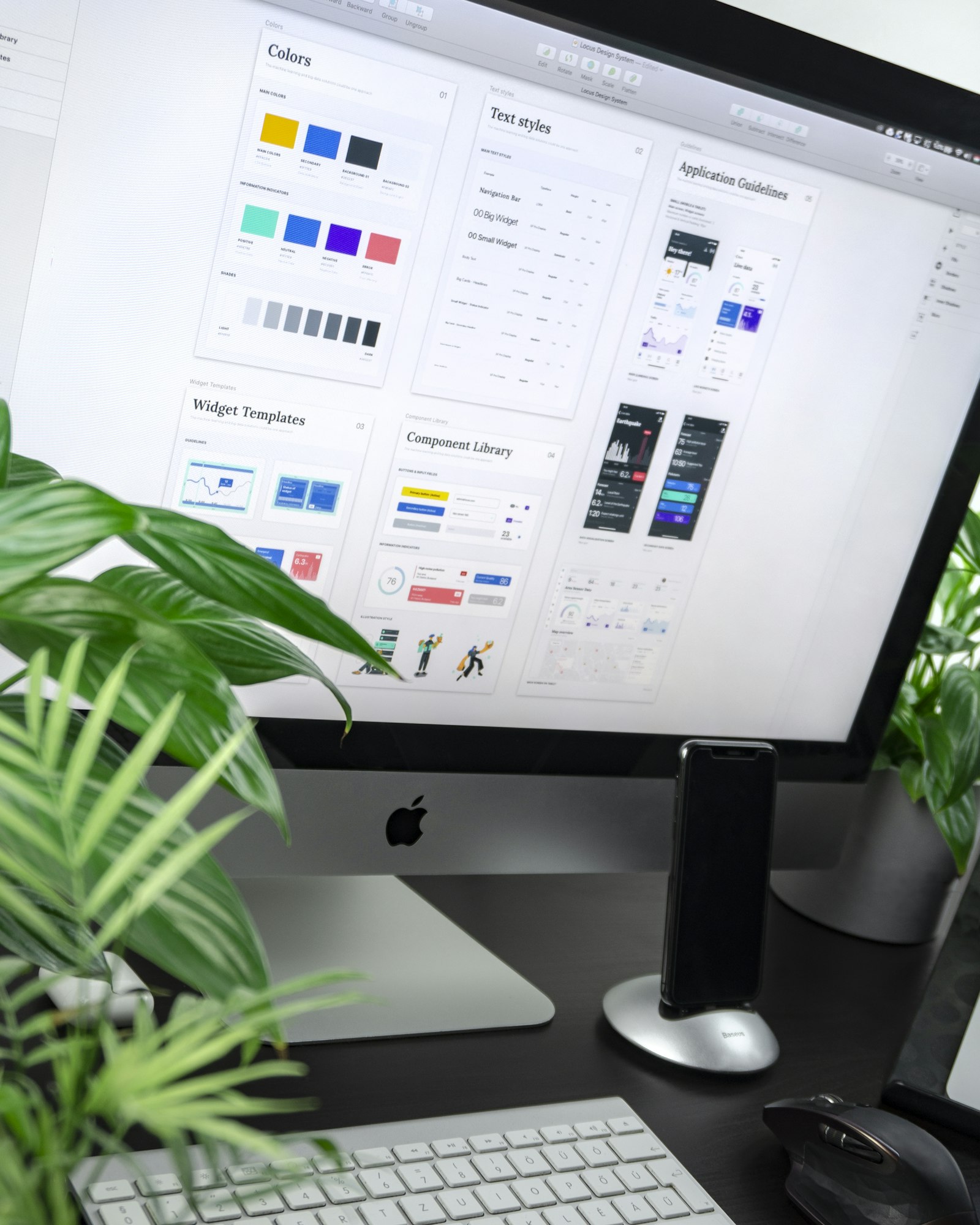
controls.colors parameter respects exact hex values — the single largest practical gap for brand consistency work.
When to pick which: the decision matrix
| Deliverable | Pick |
|---|---|
| Logo or wordmark (vector-final) | Recraft V3 |
| Icon set or pictogram library | Recraft V3 |
| Brand illustration system | Recraft V3 |
| Poster with multi-line copy | Ideogram V3 |
| Social ad with headline + price | Ideogram V3 |
| Packaging mockup with front-of-pack copy | Ideogram V3 |
| Spot illustration in brand style | Recraft V3 |
| Editorial cover with headline | Ideogram V3 |
| App store screenshot with callouts | Ideogram V3 |
| Brand-locked product render across 40 SKUs | Recraft V3 |
| Multilingual ad set (40+ languages) | Ideogram V3 |
| Hero plate that will be composited with type | Recraft V3 (plate) + Ideogram V3 (type) |
| Print collateral requiring exact brand color | Recraft V3 |
| Variable-aspect-ratio campaign across 12 placements | Ideogram V3 |
| Mockup of a finished design (laptop, tee, billboard) | Recraft V3 (AI Mockuper) |
| Infographic with chart labels and stats | Ideogram V3 |
| Storyboard frames for video pre-production | Recraft V3 (brand-locked) or Ideogram V3 (with on-frame copy) |
The pattern: Recraft for systems — anything that has to look consistent across many assets or scale to vector. Ideogram for expressions — anything where typography is doing meaningful narrative work inside the image.
The Versely angle: both models, one canvas
Brand teams shipping real volume don't pick one model and move on. They pick the right model per layer and composite. That workflow is awkward when each model lives behind its own subscription, its own asset library and its own export pipeline. It's friction-free when both ship in the same tool.
Inside Versely both Recraft V3 and Ideogram V3 are available through the text-to-image tool. The realistic production pattern for a typical brand brief looks like this:
- Brief decomposition. Identify the layers in the deliverable — hero subject, brand mark or icon, typography lockup, color overlay. Most brand assets have three or more.
- Brand kit setup in Recraft V3. Upload reference images and lock the palette using hex values via
controls.colors. This becomes the visual fingerprint for every generation that follows. - Vector marks and icons in Recraft V3. Generate logo concepts, icon explorations and any asset that needs to live as SVG. Export directly into Illustrator or Figma for refinement.
- Typography layer in Ideogram V3. Generate headline lockups, packaging copy, callouts and end cards. Pass exact copy in quotes to maximize character accuracy. Use Style References to keep aesthetic consistent across variants.
- Hero plates in either model. For photoreal hero subjects where palette discipline is critical, use Recraft V3 with the locked brand kit. For hero plates that need on-image typography baked in, use Ideogram V3.
- Composite in Versely. Drop the Ideogram typographic layer over the Recraft brand-locked plate inside the editor. Most assets don't need a Photoshop round-trip.
- Variant batching. Once the lockup works, batch the size variants needed for paid social, organic, email, web hero and print. Hold the Recraft brand kit across vector exports; hold the Ideogram Style Reference across raster variants.
- Push to video where the brief calls for it. Brand-locked stills become source for image-to-video pipelines on VEO 3.1 or Sora 2. The Versely AI video generator handles the handoff with the same asset library, and the Ideogram typographic layer becomes the end-card overlay.
If the campaign involves carousels for paid social, the brand-locked frames slot straight into the AI slideshow generator without re-uploading or re-tagging — a meaningful workflow saving when the campaign hits forty variants. For deeper context on routing between models on a single brief, our Flux 1.2 Ultra vs Ideogram 3 comparison covers the photoreal-plus-typography composite pattern, and DALL-E vs Flux vs Midjourney puts both Recraft and Ideogram in the broader model landscape.
FAQ
Can Recraft V3 render in-image text well enough to skip Ideogram V3 entirely?
For short marks — single words, a brand name, a three-word headline — Recraft V3 is good enough that you may not notice the difference. For anything longer than that, including multi-line ad copy, packaging benefit blocks, or paragraph-length typography, Ideogram V3 is materially better and the gap is large enough to justify the workflow split.
Does Ideogram V3 produce vector files I can edit in Illustrator?
No. Ideogram V3 outputs raster only at all tiers. If your deliverable has to ship as an editable SVG — logos, icons, scalable illustrations — Recraft V3 is the only major model in 2026 that produces native vector output. (Flux vs Ideogram vs Recraft comparison)
How accurate is the brand color control in Recraft V3 versus describing colors in a prompt?
Materially more accurate. Recraft's own documentation notes that pre-defining colors using the controls.colors parameter produces more brand-accurate outputs than describing colors in prompt text. In practice, on the brand color test above, Recraft hit a delta-E within 3 on the primary brand blue using the controls parameter — close enough that brand teams won't flag it. Describing the same color in prose drifts noticeably.
Which model is cheaper for high-volume brand work?
Ideogram V3 is cheaper per raster image at the API tier and offers unlimited slow generations on the Plus and Pro plans. For volume social work where 30-second queue time is tolerable, that's a real economic edge. Recraft V3 is competitive on raster pricing and charges roughly double for SVG — vector output is where the cost premium lives, and it's worth it for assets that demand editability.
Can I use both Recraft V3 and Ideogram V3 on the same Versely project?
Yes. Both ship under the same text-to-image tool with a unified asset library, shared billing and one-click handoff between models. The combined Recraft + Ideogram workflow for brand assets is the same friction level as using one model in isolation.
Closing takeaway
The "best AI image model" debate for brand work in 2026 isn't a single winner. It's a clean two-axis split — Recraft V3 owns vectors, brand-style locking and palette discipline; Ideogram V3 owns typography, layout obedience and headline-driven ad creative. Teams treating this as a binary choice are leaving real quality on the table. Teams routing each layer of each deliverable to the model that nails that layer are shipping the cleanest brand work of any cohort in the market.
Open Versely's text-to-image tool, run the same brand brief on both models in parallel, and you'll see the gap on the layer each model owns within five generations. From there, the combined workflow becomes obvious — and the production speed gain on multi-asset campaigns is the largest free quality lift available in design AI right now.
Sources: