

B2B vs B2C Video Strategy: The Real Differences
B2B vs B2C video strategy compared honestly: buying committees, funnel length, platform picks, formats that work, and where the two are converging in 2026.
A SaaS founder and a candle brand owner asked me the same question in the same week: "should we be making short-form video?" The answer was yes for both, and then everything after that word diverged. Same platforms, same tools, completely different math. The candle brand can turn a viewer into a customer in 48 hours for $34. The SaaS company's buyer needs seven touches, a security review, and sign-off from someone who will never watch a single video.
Most "B2B vs B2C video" articles list surface differences: tone, platform, length. Those are downstream. The real differences are structural — who buys, how long it takes, and what a video can realistically be asked to do. Get those right and the tactical choices mostly make themselves. This post walks through the actual splits I plan around, plus the places where the old B2B/B2C wall has quietly collapsed.
The three structural differences that drive everything
1. Number of humans in the decision. A B2C purchase is usually one person and an impulse window. A B2B purchase averages 6–10 stakeholders. That means B2C video sells the product; B2B video mostly sells the problem framing so your champion can re-sell it internally. If your B2B video can't be summarized in one sentence by someone who watched it once, it fails at its actual job.
2. Time-to-revenue. B2C attribution windows are days. B2B cycles run 3–12 months, which means your video program will look like a failure for two quarters if you measure it like a DTC ad account. Decide the measurement model before you publish, not after.
3. Deal size changes the content economics. A $40 product can't justify a bespoke video per prospect. A $40,000 contract can justify a personalized demo video per named account. B2B's small audience is a feature: you can afford precision B2C brands can only dream of.
The strategy split, side by side
| Dimension | B2C video | B2B video |
|---|---|---|
| Primary goal | Direct response, impulse conversion | Problem framing, trust, pipeline influence |
| Core platforms | TikTok, Reels, YouTube Shorts | LinkedIn, YouTube, email embeds |
| Hero format | UGC-style product demos, trends | Founder POV, teardown, mini-demo |
| Volume needed | High (30–60 posts/month) | Moderate (8–20 posts/month) |
| Attribution | Platform pixels, days | Self-reported + CRM, months |
| Winning tone | Entertaining first, product second | Specific and opinionated, never "corporate" |
| Cost per video (AI stack) | $1–5 | $3–15 |
The volume row matters most in practice. B2C wins on iteration speed — you need enough shots on goal for the algorithm to find your buyers. B2B wins on depth — one genuinely insightful teardown outperforms twenty generic tip videos, because your total addressable audience might be 4,000 people and they talk to each other.
The B2B playbook that actually works in 2026
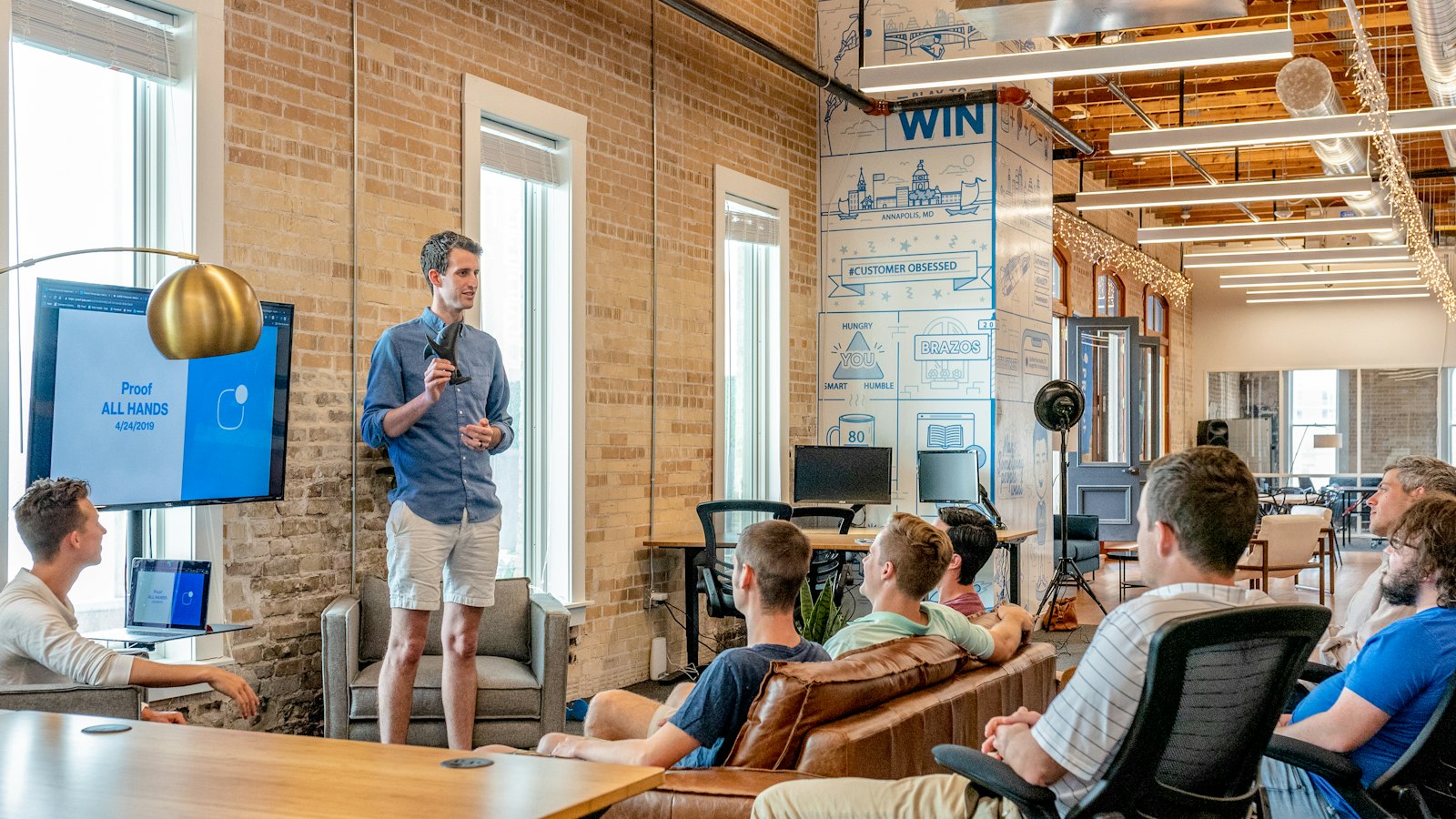
The highest-performing B2B video motion I've seen this year is embarrassingly simple: a founder or subject-matter expert with a strong opinion, posted natively to LinkedIn, three times a week. Not brand films. Not product tours. Opinions with evidence.
- Founder POV clips (30–90s). One claim, one supporting example, one implication. AI avatars via HeyGen Avatar V5 digital twins make this sustainable when the founder can't film weekly — record once, script forever.
- Teardowns. Break down a competitor's pricing page, a bad cold email, an industry report. Analysis earns saves and shares in B2B; promotion earns silence.
- Micro-demos (under 60s). One workflow, one outcome, no "book a demo" until the last two seconds. Full walkthroughs belong on your site, not the feed.
- Customer-problem dramatizations. Short AI-generated scenes showing the painful "before" state. These outperform talking about your product because prospects self-identify with the pain first.
The B2B mistake I see weekly: sanding every rough opinion down through three approval layers until the video says nothing. Committee-safe content is invisible content. There's a deeper dive in AI video for B2B LinkedIn founder content.
The B2C playbook: volume, hooks, and social proof
B2C video strategy in 2026 is a numbers game played with taste. The platforms reward accounts that post daily, and buyers reward content that doesn't feel like an ad.
- UGC-style demos. Handheld feel, real-person voiceover, product shown solving something in the first three seconds. Versely's UGC video generator produces these without booking creators — avatar over product footage, auto-captions, done.
- Trend participation. Ride formats while they're rising, not peaking. Two trend posts a week keeps reach honest without making the account a meme page.
- Offer-forward direct response. Price, promo, urgency. These convert poorly organically but are your paid workhorses.
- Social proof loops. Reviews and results reformatted into video. The cheapest high-converting content most brands never make.
The B2C ratio I recommend: 60% entertainment-leaning product content, 20% trends, 20% direct offer. Brands that go 100% offer train their audience to scroll past them.
Where B2B and B2C have converged
The wall is genuinely falling in three places, and pretending otherwise wastes money:
- B2B buyers are B2C humans. They're on TikTok at 11pm. A payroll software company running entertaining short-form on consumer platforms is no longer weird — it's cheap category awareness while competitors fight over LinkedIn CPMs.
- UGC-style works in B2B now. A "person talking to camera about a problem" ad outperforms polished corporate video in B2B feeds too — the format signals honesty regardless of what's being sold. The evidence is in UGC-style ads vs polished ads.
- Both need volume economics. Even B2B's "quality over quantity" position now assumes 10+ videos monthly. At agency prices that's $10k/month; with AI video generation it's under $100 and one afternoon.
Choosing your split when you're both
Plenty of brands sell to both audiences — a design tool with free consumers and enterprise teams, a food brand selling retail and wholesale. Don't split your account. Pick the audience that drives revenue this year, build the content engine for them, and serve the other with a monthly cadence, not a parallel strategy. Two half-strategies lose to one whole one every time. If you're a solo operator agonizing over this, our guide to choosing platforms as a team of one covers the constraint math.
FAQ
Is video more important for B2B or B2C marketing?
It's load-bearing in both, but for different reasons. B2C brands need video because the platforms their buyers live on are video-first and direct conversion happens in-feed. B2B brands need it because trust compounds across a long sales cycle, and a prospect who has watched ten of your founder's clips arrives at the sales call pre-sold.
Should B2B videos be longer than B2C videos?
Not on social feeds — 30 to 90 seconds wins in both. The difference is depth per second, not length. B2B earns the right to longer formats (10-minute demos, webinars) later in the funnel, hosted on your site or sent by sales, not fed to the algorithm.
Can I use the same video content for B2B and B2C audiences?
Occasionally — brand-story and behind-the-scenes content travels across both. But your workhorse content shouldn't be shared, because the job differs: B2C video closes, B2B video equips a champion. Make each video for one buyer with one next step.
How many videos per month does each strategy need?
B2C: 30+ across organic and paid, which is only feasible with AI generation or a large creator budget. B2B: 8–20, weighted toward a consistent 2–3x weekly founder or expert presence on LinkedIn. In both cases consistency beats bursts.
Does UGC-style video work for B2B?
Yes, and it's one of the most under-used formats in B2B feeds right now. A believable person describing a specific operational pain outperforms polished brand video for cold audiences. Keep the claims precise — B2B viewers punish vague enthusiasm harder than consumers do.
Whichever side of the wall you sell on, the constraint is no longer production — it's knowing what to say. Spin up your first batch with the AI video generator — a $1 credit pack covers your first test.