

Electronics Brand Video Marketing With AI
How electronics brands use AI video from render to launch: spec-to-benefit demos, CAD-to-content pipelines, comparison formats, and reviewer seeding.
Electronics brands have the strangest content asset in retail and treat it like an engineering byproduct: photorealistic 3D renders of every product, finished months before the product exists. While a furniture store waits for inventory to photograph, a gadget brand is sitting on launch-grade visuals at the prototype stage, and most of them use those renders for exactly one Amazon listing hero image. In 2026, that render is a video pipeline input, and the brands that realized it are shipping launch campaigns before their tooling is done.
The other thing electronics gets wrong is language. Spec-sheet marketing, "5000mAh, 68W GaN, ANC with 6 mics", speaks to the 8% of buyers who already know what they want. Everyone else buys outcomes: the laptop that survives the flight, the earbuds that erase the open office. Video is the native format for spec-to-benefit translation, and AI removes the production tax that kept brands from making a demo for every claim.
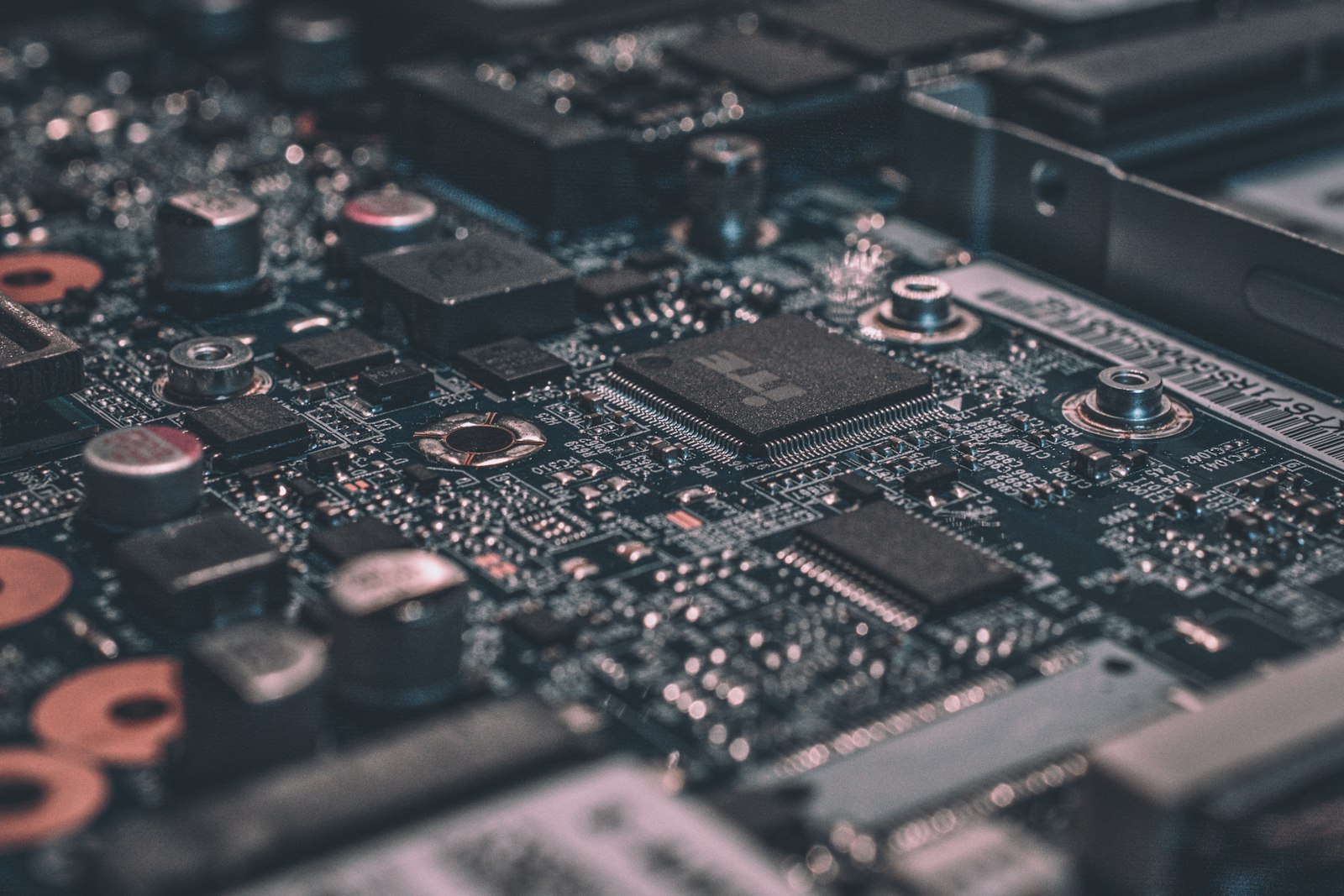
The render-to-video pipeline: launch content before the product exists
Your CAD renders and 3D product shots are premium image-to-video inputs, cleaner than photography, perfectly lit, no dust to retouch. The pre-launch sequence:
- Hero motion shots. Feed the render to Hailuo 2.3 Fast for quick iterations: slow orbits, light sweeps across the chassis, the product materializing from darkness. Cheap and fast means you can explore ten looks and keep two.
- Transformation beats. For anything that opens, folds, docks, or clicks together, Flux 3 first-last-frame is the precision tool: give it the closed-state render and the open-state render, and it generates the motion between them. Hinge reveals, charging-dock connections, module swaps, the satisfying mechanical moments that sell hardware.
- Context drops. Reference-to-video places the rendered device into lifestyle scenes, the earbuds case on a café table, the power bank in an airport lounge, while preserving industrial-design fidelity, which for electronics is non-negotiable: enthusiasts count ports.
The strategic payoff is calendar inversion: teaser campaigns, crowdfunding pages, and retail-buyer sizzles can all be produced in the design phase. The full launch-sequence structure is covered in how to make an AI product launch video; the render pipeline slots directly into it.
Spec-to-benefit: one claim, one clip
The discipline that separates converting demo content from spec recitation: every video makes one claim, and shows it as an outcome.
| Spec | Benefit clip |
|---|---|
| 5000mAh battery | Time-lapse feel: a full day of use, phone still alive at midnight |
| ANC, 6-mic array | Chaotic café ambience cuts to silence when the earbud goes in |
| IP68 rating | The device in rain, at the pool edge, surviving the sink drop |
| 68W fast charge | Coffee brews; battery meter runs 8% to 70% alongside it |
| 2m drop resistance | The slow-motion drop, the pickup, the intact screen |
Generated footage handles the scenario staging (rain, café, airport); real footage must carry the proof moments, actual charge tests, actual drops, because performance claims backed by synthetic evidence are a regulatory and reputational trap. The rule that keeps you clean: AI stages the context, reality demonstrates the claim. Run the claim clips as your ad set, one claim per ad, and let the platform tell you which benefit actually sells the product, a testing pattern worth running on every claim in the table.
The demo library: answer every question before support does
Post-purchase and late-funnel buyers generate a predictable question set, pairing, reset, compatibility, what's-in-the-box, and every unanswered one is either a support ticket or an abandoned cart. The fix is a batch-produced demo library: 10 to 15 short clips, screen-recorded or filmed on real units, finished with auto-captions and consistent title cards in Versely, published as a YouTube Shorts playlist and embedded on product pages.
Two production notes from teams doing this well. First, batch it in one day per product; scattered production is why demo libraries never get finished. Second, when a single step of an otherwise good demo take is wrong, the wrong menu, a fumbled pairing, LTX 2.3 Retake regenerates just that segment instead of forcing a reshoot, which is precisely the kind of boring capability that saves demo-library production.
Comparison content: fight the spec war on your terms
Electronics buyers comparison-shop by default, and if you don't make the comparison content, a reviewer or a competitor frames it for you. Three formats that work when you're honest and die when you're not:
- Us-vs-our-old-model. The safest and most underused: generational upgrades justified visually. Renders of both generations, side by side, differences animated.
- Category explainers. "GaN vs. silicon chargers, why smaller runs cooler." You're not naming competitors; you're teaching the axis on which you win. Positions the brand as the adult in the category.
- Honest spec tables in motion. Animated comparison tables (yours vs. category average, sourced) with one line of commentary per row. Where you lose a row, say so, credibility on the losing rows is what makes buyers believe the winning ones.
Never fabricate competitor footage or misstate their specs in generated content; beyond ethics, it's legally actionable and reviewers will find it.
Working with the reviewer ecosystem
Tech reviewers are electronics' kingmakers, and AI content changes your relationship with them in two practical ways. First, your seeding kit improves: a press package with clean b-roll, product motion shots, and feature clips reviewers can drop into their edits gets you better coverage, small channels especially will use supplied b-roll when it saves them a filming day. Label the generated shots in the kit; reviewers burned by undisclosed renders remember. Second, your response speed changes: when a review raises a criticism or highlights an unexpected use case, you can publish a follow-up demo addressing it within a day, while the conversation is still live. What reviewers themselves want from brands is worth understanding from their side, AI video for tech reviewers maps that world.
What not to fake, ever
Electronics has bright lines because claims are measurable:
- No synthetic performance evidence. Benchmarks, battery graphs, charge timers, ANC demos: real captures only.
- No generated "user" testimonials presented as customers. UGC-style brand messaging with an avatar presenter, labeled, is fine; invented customers are not.
- Render fidelity is a spec. The generated product must match shipping hardware, port count, button placement, finish. Enthusiast communities screenshot discrepancies and they do not forget.
- Regulatory claims (IP ratings, certifications) stay verbatim from your compliance docs, never paraphrased into stronger language by a script pass.
FAQ
Can we really build a launch campaign entirely from renders?
The awareness layer, yes: teasers, hero motion, feature reveals, and crowdfunding page video can all be render-driven and routinely are in 2026. The proof layer, hands-on demos, performance claims, durability, waits for functional units. The practical sequencing: render-based content opens the campaign, real-unit content lands with the review embargo.
Which AI model should an electronics brand start with?
For a first project, an image-to-video pass on your best render: Hailuo 2.3 Fast for cheap iteration, then a higher-fidelity model for the keeper shots. If your product has a signature mechanical action (fold, dock, hinge), first-last-frame generation from two renders of the states is the most distinctive early win. Browse current leaders by category on Versely's live model rankings.
How do we keep AI product shots accurate to the real device?
Use reference-to-video or image-to-video from your actual renders rather than text descriptions, generate at the highest fidelity tier for hero content, and institute a hardware-accuracy review, someone who knows the port layout signs off before publishing. When a generation drifts (wrong USB-C placement is the classic), regenerate; never ship the drift.
Is AI-generated ad creative a problem for tech-savvy audiences?
The audience objects to deception, not generation. Labeled render-based motion is already the norm, big brands have marketed with CGI for decades, and enthusiast audiences accept it. What burns brands is synthetic evidence: faked benchmarks, impossible battery claims, undisclosed "footage" that misrepresents the shipping product. Stage with AI, prove with reality, label per platform rules.
Got a render folder and a launch date? Start the hero shots in the AI video generator — a $1 credit pack covers your first test, tooling not required.