

Gym video marketing with AI, without filming members
How gyms use AI video marketing to fill classes without filming members: generated workout b-roll, class promos, UGC-style ads, and a privacy-safe system.
The best marketing content a gym owns is the 6am class hitting its last round — and it is precisely the content you cannot use. Members did not sign up to be extras in your ads. Filming the floor means consent forms, blurred faces, awkward opt-outs, and at least one cancelled membership from someone who found themselves on your Instagram mid-burpee. Most gym owners quietly solve this by not posting, which is how a business built on energy ends up with a feed of empty-room photos and schedule graphics.
AI video generation dissolves the dilemma: you can now produce unlimited footage of training — every class format, every intensity, every body type — without a single member on camera. The gyms using this well have flipped from posting twice a month to posting daily, and their feeds finally look like their 6am floor feels.
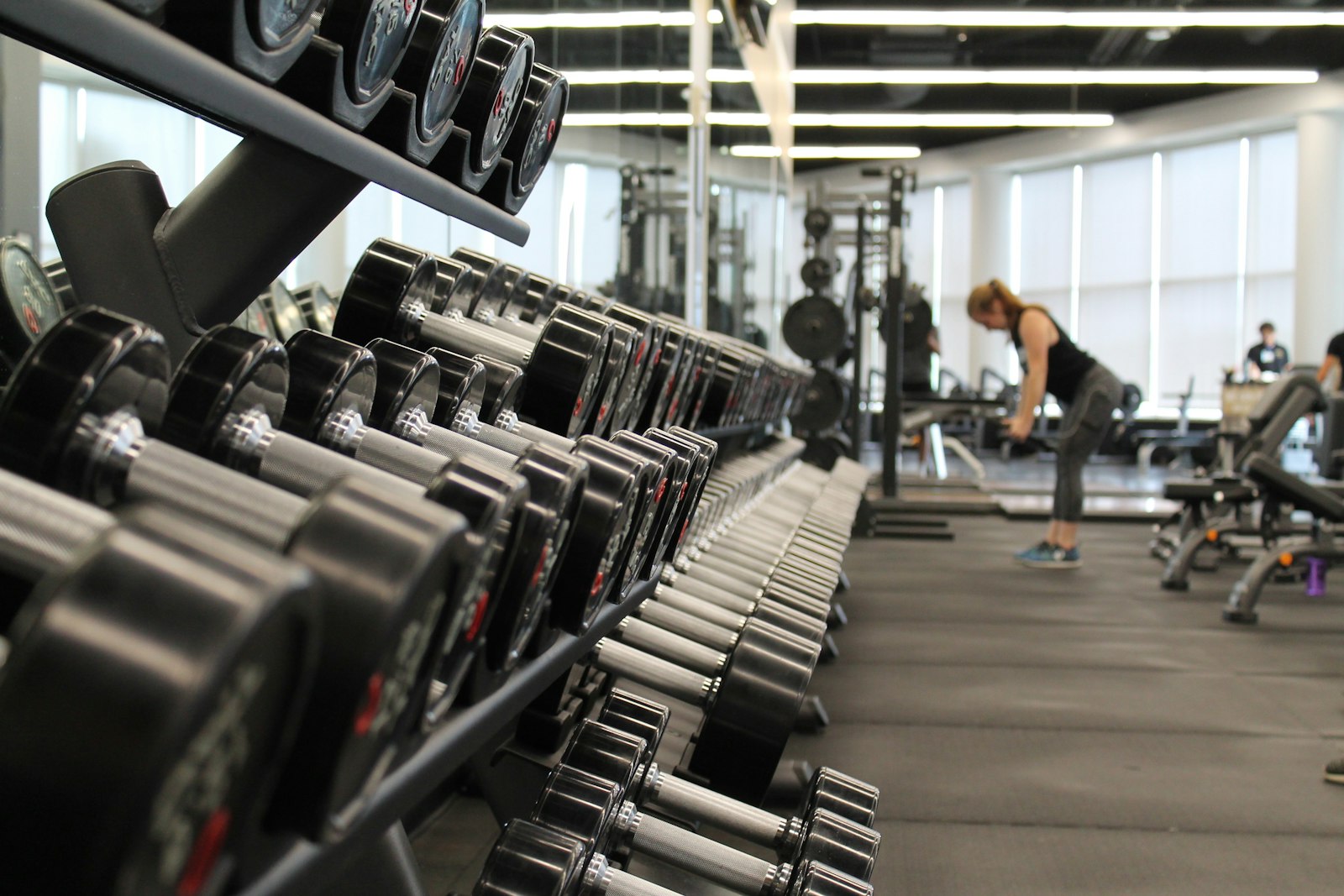
The member-free b-roll library
The foundation is a generated b-roll library covering your actual programming. Versely's AI b-roll generator produces short training clips from prompts: "athlete finishing heavy kettlebell swings in a dark industrial gym, chalk dust in the air, dramatic side lighting, sweat visible, 5 seconds." Build the library deliberately, one session, about an hour:
- Per class format: 3–4 clips each for your spin, HIIT, strength, yoga, and boxing programming — matched to your gym's actual aesthetic (industrial, boutique-bright, garage).
- Intensity moments: final reps, the collapse after the interval, the fist bump. These are the emotional frames that sell memberships.
- Diverse and realistic bodies: prompt for the members you actually serve, not fitness-model stereotypes. "Beginner-friendly" marketing with exclusively shredded athletes in it reads as a threat, not an invitation.
- Empty-gym atmosphere: racks at golden hour, chalk on the bar, the studio before dawn. Mood clips for schedule and announcement posts.
Thirty clips covers a quarter of content. Every class promo, challenge announcement, and tip post draws from the same bank, and nobody's face needed a release form.
Class promos that fill specific time slots
Generic "join our gym" content fills nothing. The system that works targets specific underfilled slots — the Tuesday 7pm spin bike count is a marketing brief:
- Pick the slot with empty spots this week.
- Cut a 10-second promo: two b-roll clips of that format, a bold overlay ("Tuesday 7pm · Spin · 4 bikes left"), and an urgency CTA.
- Post Sunday evening and Monday, when weekly workout planning happens.
- Track the count. Bikes filled is the metric — not likes.
The "4 bikes left" scarcity framing consistently outperforms generic promotion because class booking is a commitment device: people book what looks nearly full. This is a five-minute production once the b-roll bank exists, which means every soft slot on the schedule can get its own promo every single week.
UGC-style ads without recruiting members
The fitness ad format that converts hardest — the testimonial-style "I've been coming here for 3 months and here's what changed" — traditionally required either a very generous member or an actor. The UGC video generator produces the format directly: a talking-head avatar over your gym's b-roll with styled captions and a natural script.
The rules that keep this effective and honest: the script describes your real offer (actual class formats, actual coach attention, actual trial terms), the avatar is not presented as a specific real member, and results claims stay within what your programming genuinely delivers. Run these as paid creative for your trial offer, not as organic fake testimonials — as an ad format it performs; as fabricated social proof it is a trust grenade. Real member wins, shared with enthusiastic written consent as text-over-b-roll posts, cover the authentic-proof lane without cameras.
The monthly challenge engine
Challenges are the highest-leverage gym content because they generate their own story arc:
| Week | Content | Production |
|---|---|---|
| Launch | Hype reel: what, when, prize | B-roll + overlays + music |
| Week 1 | "How to survive week one" tips | Captioned b-roll or coach voiceover |
| Week 2–3 | Progress-motivation posts, form tips | B-roll bank + text |
| Final | Finisher celebration + next-challenge tease | B-roll + community stats overlay |
Every asset above comes from the same generated library with fresh overlays — a full month's narrative for maybe two hours of total production. Members share challenge content voluntarily (their choice, their accounts), which brings the human proof your generated content deliberately leaves out.
Boutique studios and franchise operators can go deeper on formats in the AI video guide for fitness coaches and gyms; if you are a solo coach rather than a facility, the economics change and the personal trainer video playbook is written for you.
What still needs a real camera
Three things, and they are non-negotiable: your coaches (people join coaches, not equipment — one genuine coach clip a week, faces and voices real), your actual space (a monthly real walkthrough so the generated aesthetic never drifts from reality), and member celebrations with consent (PR bells, milestone boards). The generated library is the volume layer; these are the truth layer. A feed that is 80% generated and 20% verifiably real reads as a professional brand. A feed that is 100% generated reads as a gym that might not exist.
FAQ
Is it okay to market a gym with AI-generated workout footage?
Yes, treated as illustrative brand content — the same role stock fitness footage has always played, minus the licensing cost and with your actual aesthetic. Keep it honest: match the footage to classes you really run, and never present generated people as specific real members or their results.
How do gyms handle member privacy in video marketing?
The AI approach sidesteps the problem: generated footage means no consent forms, no blurring, no opt-out lists for daily content. Reserve real member footage for celebration moments with explicit written consent, where appearing is an honor rather than an ambush.
What should a gym post every week?
A workable minimum: two class-slot promos targeting underfilled sessions, one training tip over b-roll, one real coach or community clip, and one challenge or announcement post. Five posts, under an hour of production once your b-roll library exists.
Do AI fitness videos look real enough?
Short clips of 4–6 seconds are convincing for standard movements — lifts, rides, stretches, bag work. Complex barbell technique can still render imperfectly, so avoid using generated clips as form demonstrations; use them as energy and atmosphere, and let your coaches demonstrate technique on camera.
What's the fastest result to expect?
Slot-specific class promos move first — targeting a half-empty Tuesday class with scarcity framing shows up in booking counts within a week or two. Brand-level growth from daily posting compounds over a quarter.
Build your b-roll bank this week: open the AI b-roll generator, generate your first ten training clips, and give Tuesday's empty bikes their own ad — entry from $9 a week.