

Coworking Space Video Marketing With AI
How coworking spaces fill desks with AI video: virtual tours, member spotlights, event recaps, and a weekly posting system that takes about two hours.
A coworking space sells exactly one thing: the feeling of working there. You cannot photograph that with a wide-angle shot of empty desks, and most operators know it — which is why the spaces that stay above 85% occupancy in 2026 are the ones posting video three to five times a week. The problem is that a community manager already runs tours, events, billing disputes, and the espresso machine. Filming, editing, and posting is the job that never happens.
That is the gap AI video closes. This is the workflow I would hand any coworking operator: what to make, which formats fill desks versus fill feeds, and how to produce a week of content in a two-hour Monday block without hiring a videographer.
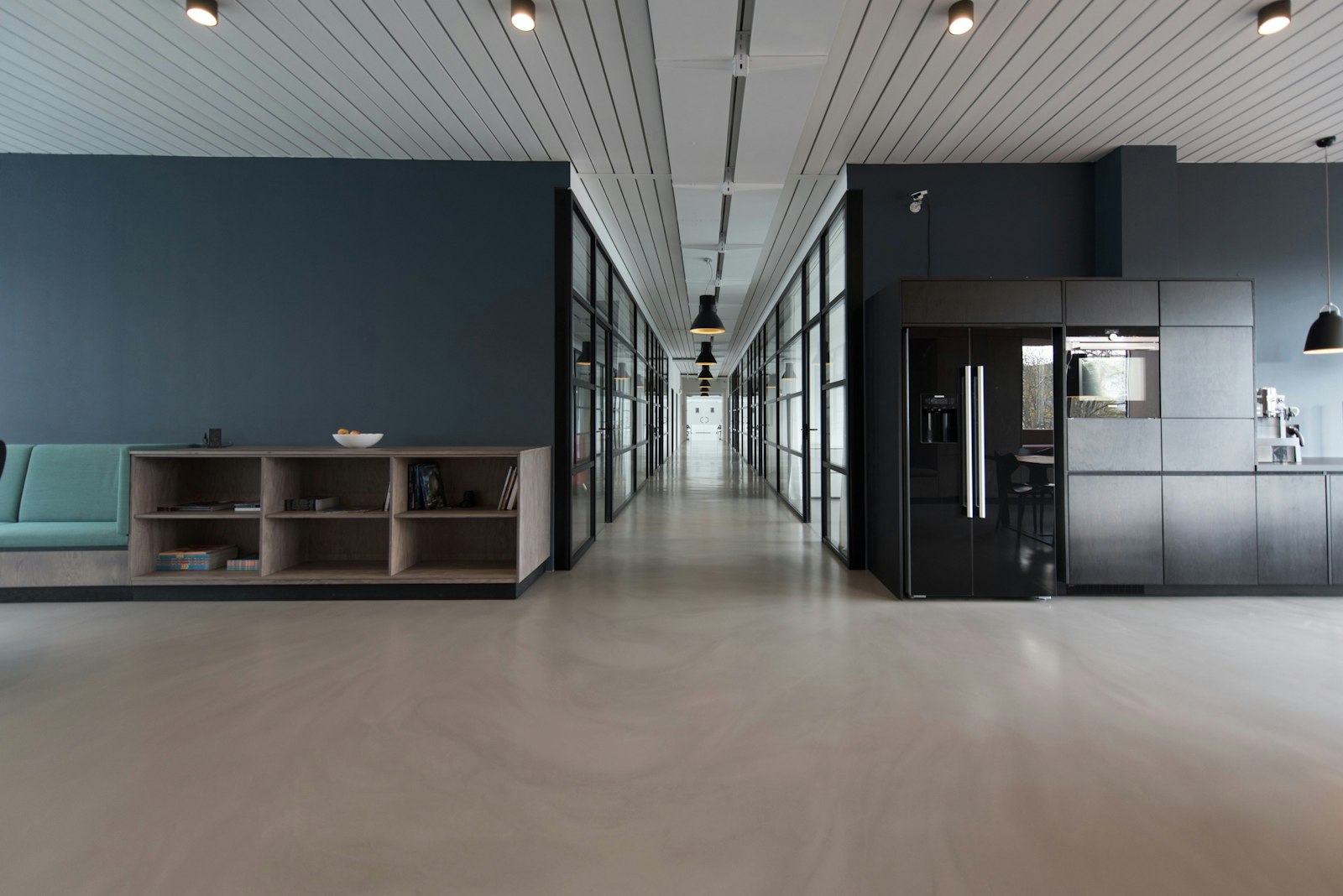
Why coworking is unusually well suited to AI video
Most local businesses have to invent content. A coworking space is sitting on it: a rotating cast of members, a physical set that changes daily, events every week, and a product (community plus space) that is inherently visual.
The constraint has always been production, not material. Three things changed that:
- Image-to-video from your own photos. Feed a phone photo of your lounge into an image-to-video model and get a 6-second dolly move with morning light and ambient motion. Your real space, cinematic movement, zero camera rig.
- Talking content without on-camera time. Script a "what's included in a hot desk" explainer, generate it with an avatar or voiceover, done. Nobody has to perform.
- Templates for community moments. Trend formats give you the fun posts (member pet content is undefeated) without an editor.
The four content pillars that fill desks
After watching what actually converts to tour bookings versus what just gets likes, I would split output like this:
| Pillar | Goal | Format | Cadence |
|---|---|---|---|
| Space tours | Tour bookings | 20–40s vertical walkthrough, I2V from photos | 1/week |
| Member spotlights | Social proof | 30s interview-style or captioned quote video | 1/week |
| Event recaps | Community FOMO | 15–25s montage with music and captions | 1/week |
| Practical explainers | Objection handling | 30–60s pricing/amenities/day-pass Q&A | 1–2/week |
Tours are the direct-response engine — they should always end with a "book a tour" caption card. Spotlights and recaps are what make someone follow you for three weeks before they ever click. Explainers ("Do I need a membership to book the meeting room?") quietly answer the questions that stall sign-ups.
The Monday two-hour production block
Here is the repeatable version, using the AI video generator as the hub:
- Collect (20 min). Walk the space with your phone. Ten photos: entrance, lounge, phone booths, kitchen, best-light desk. Grab any event photos from the weekend.
- Animate the space (30 min). Run five photos through image-to-video — a model like Kling O3 Pro handles interior camera moves (slow push-in, lateral slide) without warping furniture, which cheaper models still get wrong on straight lines like desk edges. Prompt pattern: "slow cinematic push-in, natural morning light, subtle ambient motion, no people added."
- Cut the tour (20 min). Stitch five clips with the merge tool, add auto-captions naming each area, end on your booking CTA.
- Build the recap slideshow (20 min). Event photos into the AI slideshow maker, one text overlay per beat, music, export as a reel.
- Script one explainer (20 min). Write 80 words answering one real question from last week's tours. Generate voiceover, pair with b-roll of the relevant area.
- Schedule everything (10 min). Queue the week to Instagram, TikTok, and LinkedIn from one place.
That is five to seven posts from one block. The honest limitation: AI cannot fake your actual community. Member spotlights still need a real face and 90 seconds of their time — AI just handles the captions, cutdowns, and polish so the ask stays tiny.
Member spotlights without making members perform
The spotlight is your highest-trust asset and the one operators skip because interviews feel heavy. Lighter versions that still work:
- Voice-note spotlight. Member records a 30-second voice memo answering "what do you actually do here all day?" You pair it with generated b-roll of their corner of the space and auto-timed captions.
- Quote card in motion. One strong sentence from a member, animated over an I2V clip of the space. Ninety seconds of production.
- Desk tour. Fifteen seconds of their setup, captioned. People love judging desks.
Rotate one per week and you profile every active member twice a year — which also happens to be a retention play, not just marketing.
Local reach: the part most operators get wrong
Coworking is a 5-kilometer-radius business, so vanity reach is worthless. What matters:
- Geo-anchor every post. Neighborhood name in the caption and on-screen text ("Hot desks in Ballard from $19/day"). Location tags on Instagram and TikTok still drive local discovery in 2026.
- Ride local formats, not global ones. A street-interview-style piece asking "where do you work when you're sick of your apartment?" localizes instantly — there's a ready-made street-interview shape in the workflow library.
- Post when your buyers scroll. Remote workers browse at 8–9am and lunch. Event content performs Thursday/Friday when weekend plans form.
If you also manage the building or run flexible offices, the AI video playbook for property managers and Airbnb hosts covers the listing-style tour format in more depth — the overlap with coworking tours is about 70%.
What this costs versus a videographer
A freelance videographer for one monthly shoot runs $500–1,500 and gives you one batch of footage that goes stale as soon as you repaint a wall. The AI stack — generation credits, captioning, scheduling — lands under $100/month for the cadence above, and you can re-shoot "footage" the same afternoon you rearrange the lounge. The trade-off is that a videographer captures real candid humans better than any model. My take: hire the human twice a year for hero footage and member events, generate everything else in between.
FAQ
What AI video content works best for coworking spaces?
Vertical space tours built from your own photos via image-to-video, weekly member spotlights, event recap reels, and short explainers answering pricing and amenity questions. Tours drive bookings directly; the rest builds the local audience that makes tours convert.
Can AI really make a virtual tour from photos?
Yes. Image-to-video models animate a still photo with a camera move — push-ins, slides, subtle ambient motion — so five phone photos become a stitched 30-second walkthrough. It reads as filmed footage of your actual space, because it is your actual space; only the motion is generated.
How often should a coworking space post video?
Three to five times a week across Instagram, TikTok, and LinkedIn. That sounds heavy, but one two-hour weekly production block covers it when generation, captioning, and scheduling live in one tool. Consistency beats polish for local discovery.
Do I need members' permission to feature them?
Yes — get a simple standing release when members join, and always confirm before posting a spotlight. Keep the ask small (a voice memo or one quote) and most members treat being featured as a perk, not an imposition.
How much should a coworking space budget for AI video marketing?
Under $100/month covers generation credits, auto-captions, and scheduling at a 3–5 post weekly cadence. Add a real videographer once or twice a year for hero footage of actual members and events, and you have a full-stack video presence for less than one month of a typical agency retainer.
Ready to fill the calendar before you fill the desks? Spin up your first photo-to-tour reel with the AI video generator — credits start at $9 a week, no long-term contract — or browse ready-made video workflows you can remix for your space.