

Interior Designer Video Marketing With AI
Interior designer video marketing with AI: reveal reels from project photos, moodboard-to-motion concept films, and a system that attracts bigger projects.
Interior design is sold on taste, and taste is now judged on video. A prospective client deciding between three designers doesn't read your services page — they watch your reels at midnight and ask themselves one question: do I want to live inside this person's eye? The designers landing the six-figure projects in 2026 are the ones whose feeds answer yes, forty times over.
The structural problem: a designer might complete eight to fifteen projects a year, each producing one professional photo shoot. That's maybe fifteen "real" content moments for a feed that needs three hundred. Interior designer video marketing with AI is about stretching those fifteen moments into a full calendar — animating project photography into reveal films, turning moodboards into motion, and building authority content between installs — without ever faking a portfolio.
Project photography is a video shoot you already paid for
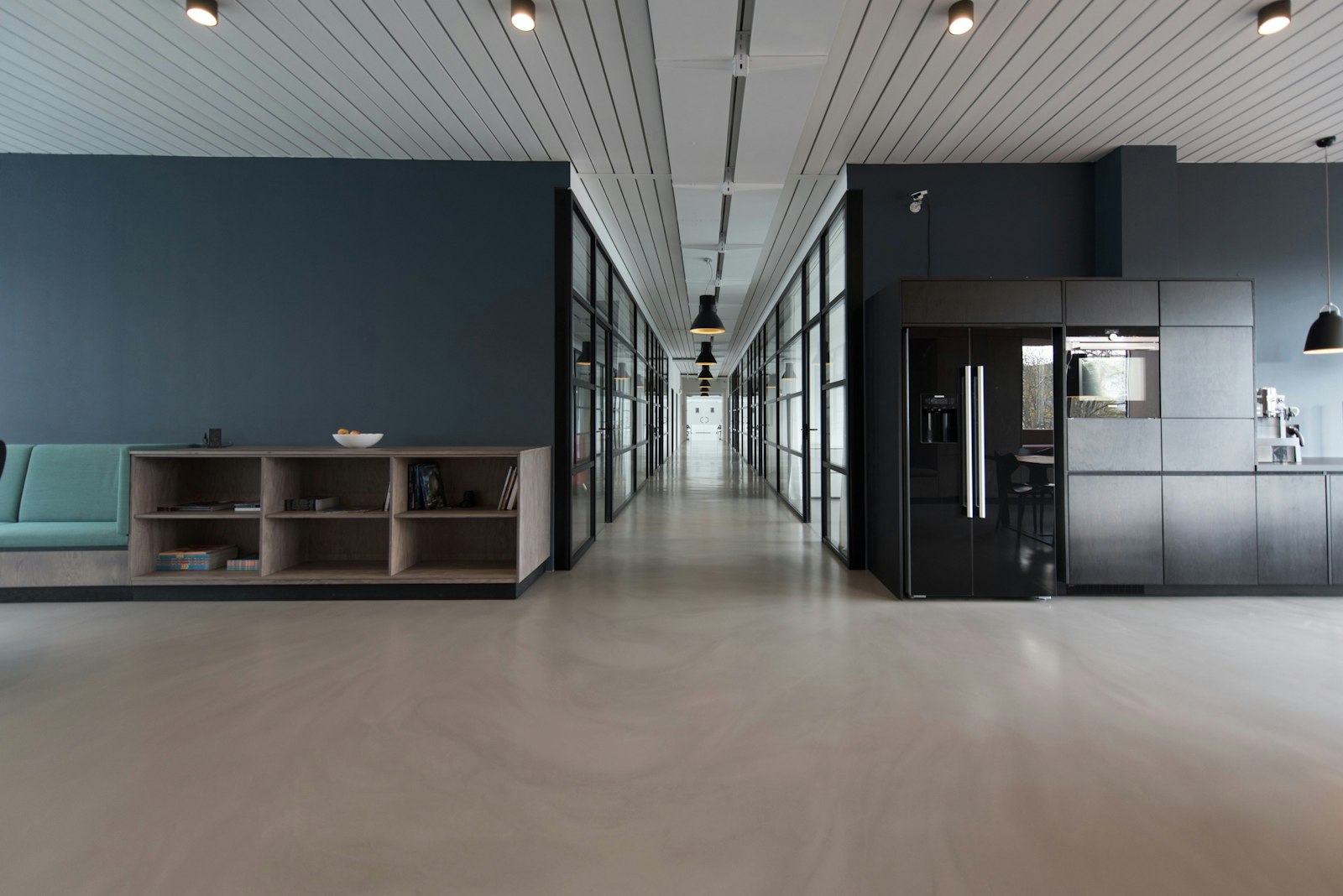
Professional interiors photography — which you're commissioning anyway — is premium image-to-video material. Architectural stills animate beautifully: slow push-ins down a hallway, light drifting across a plastered wall, sheers moving at a window. One shoot of twenty frames becomes ten distinct motion posts.
LTX 2.3 image-to-video pro suits interiors work well — multi-resolution output means the same generation serves a crisp 9:16 reel and a website hero, and its native audio adds subtle room tone that makes spaces feel inhabited rather than staged. Prompt structure for interiors:
Slow push-in through the living room toward the window, afternoon light raking across textured plaster wall, sheer curtains moving slightly, no people, preserve original color palette exactly, 6 seconds.
Two non-negotiables in every prompt: "no people" (models love adding phantom residents to your client's actual home) and "preserve original color palette" (your palette is the portfolio — a model that warms your carefully cool scheme is vandalizing the work).
The reveal reel: your highest-converting format
The before/after reveal is interior design's native viral format, and clients decide to hire you inside it. The strongest version is a three-act structure:
- Before — the honest, cluttered, badly-lit original (phone photos are fine here; authenticity helps).
- Process flash — 2–3 seconds of demo, samples, install chaos.
- After — the animated professional frames, given room to breathe.
Cut to a music build with the drop landing on the reveal. For the before-to-after moment itself, first-last-frame generation creates a morph between the two states shot from the same angle — stylized rather than documentary, and audiences love it precisely because the transformation renders as continuous motion instead of a hard cut. One reveal reel per project, pinned in a highlight, is the portfolio a prospect actually consumes.
Moodboard-to-motion: selling work that doesn't exist yet
Here's the AI capability unique to design businesses: you can produce compelling video of proposed work. A concept for a client pitch — "moody library snug, oxblood leather, brass detailing" — can become a ten-second concept film via text-to-video or via animating your rendered visuals.
Used well, this is a genuine business weapon on two fronts:
- Pitches: a concept film in a proposal deck lands emotionally in a way flat renders don't. Clients approve faster when they've felt the room.
- Content: concept films fill the calendar between real projects and — critically — let you market for the work you want. If your projects are all rentals but you want heritage renovation clients, publish heritage concept films. The feed attracts what it shows.
The one rule: label concepts as concepts. "Concept study: a Marylebone snug" is aspirational positioning. A generated room implied to be a completed project is portfolio fraud, and design Twitter has ended careers over less. Real projects and labeled concepts can share a feed indefinitely; the mislabeled middle cannot.
The weekly system between installs
| Slot | Format | Source | Time |
|---|---|---|---|
| 1 | Animated project frame + design-decision caption | Photo archive | 5 min |
| 2 | Reveal reel or reveal re-cut | Project archive | 15 min |
| 3 | Concept study (labeled) | Text-to-video / renders | 10 min |
| 4 | Design education voiceover ("why I never center the sofa") | Script + b-roll + captions | 10 min |
| 5 | Sourcing/materials story | Real snapshots, animated | 5 min |
Forty-five minutes, batched Monday, scheduled across Instagram, TikTok, and Pinterest — Pinterest being the sleeping giant for designers: it's where clients build the boards they'll eventually hire you to realize, video pins are scarce, and content surfaces for months. The education slot compounds hardest: "how to light a north-facing room" answers a question your exact future client is Googling, and voiceover-plus-captions production makes it a ten-minute post.
Write the captions yourself. The design reasoning — why the rug is undersized on purpose, why the ceiling is the fifth wall — is the taste signature no model can generate, and it's what separates a designer's account from a decor aggregator.
Adjacent audiences worth borrowing from
Designers sit in a referral triangle with builders and realtors, and content is the connective tissue. Cut collaborator versions of reveal reels for the contractors who built your schemes — the home builder playbook shows how hungry that side is for finished-space content, since builders' own feeds die at the unfurnished stage. And staging or design work for listings taps the property audience — AI video for real estate listings covers those conventions, which reward faster cuts and price-forward captions than designer content usually runs.
FAQ
Can AI make video from my project photos without distorting the design?
Yes — use camera-motion prompts ("slow push-in, no changes to the room") with palette-preservation instructions, and review each clip against the source frame. Reject generations that alter materials, colors, or proportions; the design is the product and the model must only move the camera through it.
Is it acceptable for designers to post AI-generated interiors?
As clearly labeled concept studies, yes — they're effective for pitching and for attracting the project types you want more of. Never present a generated space as completed client work; in a portfolio-verified industry, mislabeled concepts are a reputation-ending shortcut.
How do designers with few completed projects keep a daily feed?
Multiply each project (one shoot yields ten animated posts plus a reveal reel), add labeled concept films, and run weekly education voiceovers. Three real projects plus this system sustains months of daily posting honestly.
Which platform brings interior designers the best clients?
Instagram converts — it's where inquiries originate. Pinterest compounds — planning-stage clients live there and video pins face little competition. TikTok expands reach but skews toward decor-entertainment viewers rather than commissioning clients. Prioritize in that order, publish to all three from one batch.
Should I use trending audio or generated music on reveal reels?
Trending audio for platform-only reach posts; generated tracks you own for reveal reels, since those get reused in proposals, on your site, and in ads where licensed platform audio can't travel. A small owned library also keeps your reveals sonically consistent — a subtle brand asset.
Your last project shoot is ten posts waiting to happen. Animate the hero frame in the AI video generator and build the reveal reel this week — the weekly plan starts at $9, cancel anytime.