

Winery Video Marketing With AI
How wineries use AI video across the vineyard year: seasonal terroir content, wine club retention films, tasting room bookings, and vintage releases.
A winery's marketing calendar is written by the vine, not the marketer. Budbreak in spring, veraison in summer, harvest chaos in fall, pruning in the quiet of winter, the story arc repeats annually, and it's the best free narrative structure in consumer goods. Yet most wineries post the same three things year-round: a bottle on a barrel, a glass at sunset, an event flyer. The vineyard is living out an epic outside the tasting room window, and the feed shows a bottle on a barrel.
The reason is logistics, not laziness. The cinematic version of the vineyard year, drone passes over fog-draped rows, macro shots of veraison color change, harvest at first light, requires a videographer on call across twelve months for moments that don't schedule themselves. AI video breaks that dependency: the seasonal moments you miss can be generated convincingly, the ones you catch on a phone can be elevated, and the wine-club film that used to be an annual $10k production becomes a quarterly habit.
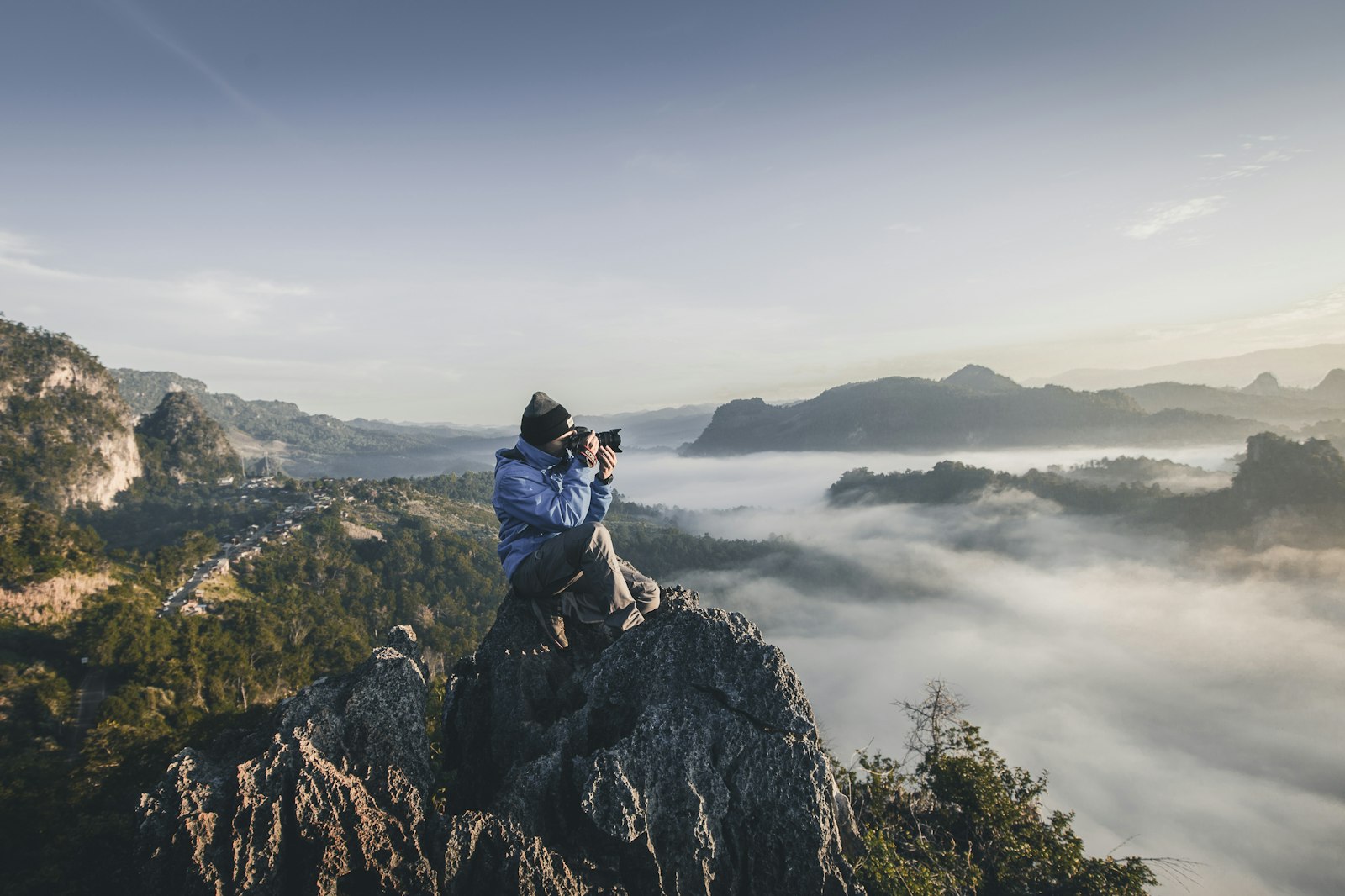
The vineyard year as a content engine
Map content to the growing season once, and the calendar writes itself every year after:
| Season | Story moment | Format | Method |
|---|---|---|---|
| Late winter | Pruning, dormancy, patience | 30s meditative short | Real phone clips + AI captions/music |
| Spring | Budbreak, frost nights | Generated macro + timelapse feel | Text-to-video |
| Early summer | Canopy, flowering | Vineyard-walk reel | Real footage, AI finish |
| Veraison | Color change (the photogenic one) | Macro image-to-video | Animate real cluster photos |
| Harvest | Picking at dawn, crush pad | Mini-documentary | Hybrid: real + generated |
| Post-harvest | Fermentation, barrel-down | Process explainer | Generated visuals + voiceover |
| Release | Vintage launch | Bottle hero film | Image-to-video from bottle shot |
Two production notes. First, animate real photos wherever you have them: a phone photo of an actual cluster mid-veraison, run through Hailuo 2.3 image-to-video, gives you your fruit in motion, which beats a generic generated vine. Second, for the pure-generated slots, Flux 3 handles long, slow, atmospheric takes with native audio, wind through rows, distant birds, which is precisely the register wine content wants. Nothing in this category should move fast.
The wine club problem: retention is a story deficit
Club members don't leave because the wine got worse; they leave because the relationship went quiet between shipments. Four emails a year about "your shipment is on the way" is not a relationship. Video fills the silence at a cost that finally makes sense:
- The quarterly vintage story (60–90s). What happened in the vineyard since the last shipment, told over seasonal footage, ending with what's in the box and why. Assemble it as a multi-scene piece in the AI movie maker, which chains scenes with voiceover and music into a single film. Send it to the club list before boxes ship.
- The winemaker's minute. Monthly, unpolished, real: the winemaker in the cellar saying what they're tasting, worrying about, excited by. Phone footage, auto-captions, done. This is the single strongest churn-reducer because it makes membership feel like access.
- The library moment. For older members: a short on how the 2019 is drinking now. Deep-catalog content flatters the people who've been around longest.
A winery running this cycle is producing what amounts to a serialized documentary about itself for under an hour a week, and club retention is where that investment pays first because the audience is already paying you.
Tasting room bookings: sell the visit, not the wine
Direct-to-consumer wineries make their margin in the tasting room, and the booking decision is made on feel: does this place look like a good afternoon? Generated establishing content, golden-hour terrace scenes, slow pans across a patio matching your actual property's look, works as aspiration, but the highest-converting tasting room content is real: actual pours, actual view, actual dog. The AI layer that matters here is speed and polish: captions, music, and a consistent color grade applied in minutes, plus scheduling posts to land Thursday and Friday when weekend planning happens.
One generated format does punch above its weight for bookings: the seasonal refresh. The same terrace scene prompted across four seasons gives you a "there's no bad time to visit" carousel that would otherwise take a year to film. Pair it with a booking link and let it run as a light always-on ad.
Vintage releases and bottle films
Release content for wine borrows the drop mechanics that work in brewery marketing, teaser, reveal, availability, but at a slower, more formal tempo. The bottle film is the centerpiece: a clean bottle shot animated with image-to-video, light raking across the label, dust motes, a slow push-in, plus vintage notes as restrained text overlays. No fast cuts, no trending audio; wine buyers read pace as quality.
Label typography matters in stills too: for release announcement graphics where your label and vintage text must render exactly, generate with Seedream 5 Pro, which holds real type legibly instead of producing melted serif soup.
Where the honesty line sits for wine
Wine trades on provenance, so the same integrity rules apply as anywhere terroir is the product:
- Generated landscapes should represent your region's character, not impersonate your specific blocks. Better: animate real photos of your actual rows.
- Never generate the winemaking team or club members. Faces stay real.
- Keep viticultural claims literal. "Dry-farmed" and "native fermentation" are facts, not vibes; the imagery can be illustrative, the claims can't.
- Alcohol marketing rules apply unchanged: age-gated paid targeting, adult-only depiction in generated scenes (prompt ages explicitly), no health claims. Boosted posts count as ads.
Wineries also sit closer to the luxury register than most drinks brands, which argues for less content, more considered, three strong posts a week beats daily filler. The broader hospitality patterns in the wineries and vineyards guide extend this into events and weddings territory.
FAQ
Can AI video really capture what makes our vineyard unique?
Pure generation captures your region's character, not your specific site, which is why the hybrid approach wins: animate real photos of your actual vineyard for the site-specific moments, and use generated scenes for seasonal atmospherics you failed to film. Over a year, build a library of real seasonal photos and your dependence on pure generation drops steadily.
What's the highest-ROI video for a small family winery?
The quarterly wine club film. It targets people already paying you, directly attacks the main churn cause (silence between shipments), and costs an afternoon per quarter. A one-point improvement in club retention is worth more than most acquisition campaigns, and this is the cheapest lever on it.
How do we handle harvest content when there's no time to film?
Harvest is the one season to deliberately over-capture on phones, 10-second clips, no composition thought, shot by whoever's nearest. AI assembly afterward, captions, music, sequencing into a mini-doc, turns that raw pile into the year's best film in a single post-harvest session. Generation fills the gaps (the 4am fog you were too busy to shoot).
Do slow, quiet videos actually perform on short-form platforms?
For wine, yes, distinctively. Meditative pacing stands out in feeds built for chaos, and watch-through rates on slow vineyard content run surprisingly high because it functions as ambient relief. Lean into it: the brands that try to make wine content frenetic lose both the algorithm and the register.
The vineyard's already telling this year's story. Start capturing your version of it with the AI movie maker — the weekly plan starts at $9, cancel anytime.