

How to Make Meditation and Sleep Videos With AI
Make meditation and sleep videos with AI: extended ambient music, slow-drift visuals, paced TTS narration, and session structures from 10 minutes to 8 hours.
Sleep and meditation channels have a strange economic property: an 8-hour video can be built from 90 seconds of unique visual material and 4 minutes of unique audio. No other YouTube genre converts so little raw asset into so much watch time — which is why the niche is crowded, and why the channels that win are the ones that get the audio right. Viewers will forgive a simple visual. They will not forgive a music loop with an audible seam at minute 23, because that seam wakes them up.
This is the production recipe for meditation and sleep content with AI: music as the backbone, visuals as slow-moving wallpaper, and — for guided sessions — narration paced far slower than any other genre tolerates.
The music is the product — build it first
Everything in this genre hangs off the audio bed, so start there and spend most of your effort on it. Generate the base track with an AI music generator, and prompt against the genre's failure modes explicitly:
- No percussion, no rhythm. Anything with a pulse keeps the listener's brain tracking time — the opposite of what you want. Prompt "beatless ambient drone, no percussion, no rhythmic elements."
- Slow harmonic movement. Chord changes every 20–40 seconds, not every 4 bars. "Extremely slow evolving pads, gradual harmonic shifts."
- Limited frequency range for sleep. Sleep tracks should avoid sharp high frequencies and sudden dynamic swells. "Warm, soft low-mid frequencies, no bright transients, consistent gentle volume."
- Mode matters. Major-leaning ambient for morning meditation; darker, more static drones for sleep.
Generate several candidates and audition them at low volume — the volume your audience will actually use. A track that sounds rich at full volume can disappear or turn muddy when quiet.
Then extend. A 3–4 minute generation becomes an hour-plus bed through music extension, which continues the track's actual audio rather than hard-looping it — the technique that eliminates the seam problem entirely. The mechanics are covered in extending music into seamless background tracks; the short version is that extension gives you evolving, non-repeating audio at any length, which is exactly what a sleeping listener's pattern-detection can't latch onto.
Visuals: slow drift, never loop-snap
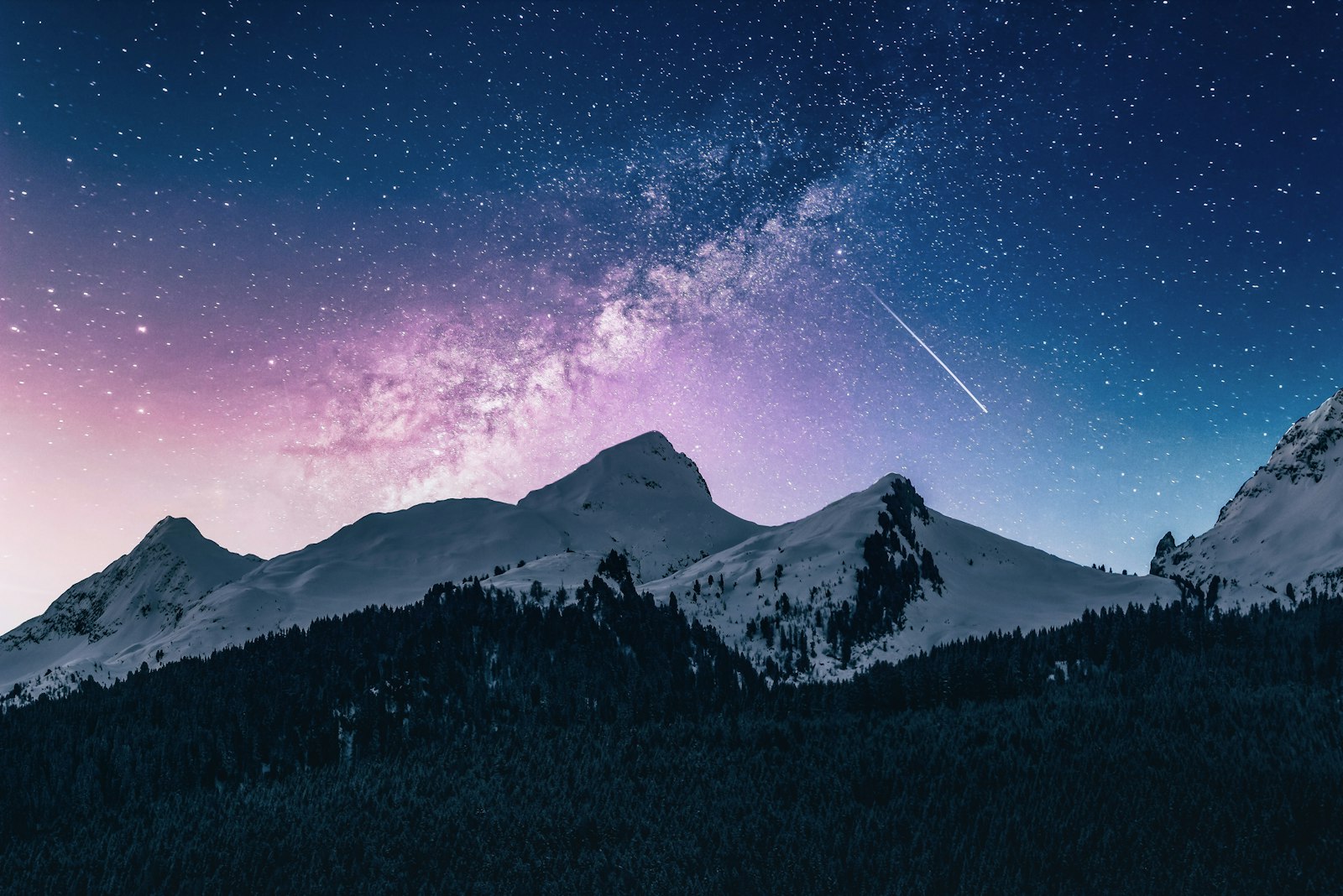
The visual layer needs motion — a static image reads as a broken video — but barely. The target is drift: clouds moving, water lapping, embers glowing, stars rotating. Three production approaches, in order of effort:
- Single drifting scene. Generate one beautiful still (mountain lake at dusk, rain on a window, campfire), then animate it with image-to-video prompted for "extremely slow, subtle, continuous motion, static camera." A model like LTX 2.3 image-to-video generating slow ambient motion is ideal because you can afford longer or repeated generations at this pace.
- Scene rotation. Four to six related scenes (same environment, different angles — the lake, the shoreline, the treeline, the sky), each animated, crossfaded every 3–5 minutes. This is the sweet spot for hour-long videos.
- Continuous journey. For premium feel: a slow forward drift through an environment, extended clip by clip. More credits, more assembly, highest perceived quality.
Whatever you choose, crossfade over 4–8 seconds between clips. Hard cuts are jarring in this genre, and fast crossfades read as glitches at sleep-viewing attention levels. Render at 16:9 — this is a YouTube, TV, and tablet genre, not a vertical-feed one. Cut a 60-second vertical excerpt separately as a discovery trailer for Shorts and Reels.
Guided sessions: narration at half speed
If you're making guided meditation rather than pure ambience, the voice is the second product. Generate it with an AI text-to-speech voice chosen for low pitch, soft delivery, and minimal energy — then fix the pacing in the script itself, because pacing is where TTS meditation fails.
Write the script with explicit silence. A guided meditation script is mostly gaps:
Take a slow breath in… (6 seconds) …and let it go. (10 seconds) Notice the weight of your body. (15 seconds)
Generate the narration in short segments — one instruction per generation — and place them on the timeline with real silence between, rather than generating one continuous read. This gives you total control of the gaps and lets you re-generate a single flubbed line without redoing the session. Mix narration well above the music bed but softer than normal voice content; the listener sets volume for the voice, and the music should sit far beneath it.
Session structures that match search intent
Length is a positioning decision, not a preference. Match the format to what people actually search for:
| Format | Length | Structure | Audio |
|---|---|---|---|
| Quick calm / breathing | 5–10 min | Guided, tight script, gentle outro | Voice + light pad |
| Guided meditation | 15–30 min | Intro → body scan → silence block → return | Voice + extended bed |
| Focus / study ambience | 1–2 hrs | No voice, scene rotation | Extended music only |
| Sleep video | 8 hrs | Optional 10-min wind-down voice, then ambience | Bed fades darker over first hour |
The 8-hour sleep format deserves one note: front-load any narration in the first ten minutes, then let the bed run. Some creators fade the music out entirely after 60–90 minutes into pure ambience (rain, waves) — sleepers don't notice, and the softer floor reduces the chance of a swell waking anyone.
Package for the niche and publish on rhythm
Thumbnails in this genre are calm, dark, and literal — the actual scene from the video with soft title text. High-contrast "shocked face" conventions actively repel this audience. Titles should name the use case and the length: "Rain on a Mountain Lake — 8 Hour Sleep Ambience" outperforms poetic titles because the search intent is functional.
Publish on a fixed weekly rhythm and build in series: the same environment across seasons, the same guided structure at different lengths. Series structure turns one-video viewers into subscribers, because sleep content is habitual — people fall asleep to the same video for weeks. This is also one of the friendliest niches for faceless channels; the broader channel playbook in AI video for meditation and mindfulness creators covers positioning against the big incumbent channels.
FAQ
How do I make an AI music track last 8 hours without loops?
Use music extension rather than looping: extension continues the actual audio, producing an evolving track with no seam to detect. Extend in stages to build an hour or more of unique bed, and for very long videos you can gently crossfade between two extended beds — the transition is undetectable at sleep volume.
What's the best video length for meditation content?
Match length to search intent: 10 minutes for breathing exercises, 20–30 for guided meditation, 1–2 hours for focus ambience, and 8 hours for sleep. The 8-hour format wins on watch time, but shorter guided sessions convert subscribers better — most channels run both.
Can AI voices really work for guided meditation?
Yes, if you control pacing in the script rather than expecting the voice to pace itself. Generate one instruction per clip, place real silence between clips, and choose a low, soft voice. The gaps — 10, 15, 20 seconds of scored silence — are what make it feel like meditation instead of narration.
Do meditation videos need to be visually impressive?
They need to be calm more than impressive. One well-composed scene with barely-perceptible drift outperforms spectacular footage that draws attention — this audience wants a visual they can stop watching. Spend your quality budget on the audio instead.
Is the meditation niche too saturated for a new channel?
The generic end ("relaxing music") is saturated; specific intents are not. Narrow the environment, the use case, or the audience — sleep sounds for a specific setting, guided sessions for a specific situation — and the search traffic is far more reachable than broad ambience.
Generate one bed, one drifting scene, and one wind-down script this week — that's a publishable sleep video. Start with the AI music generator and build the visual around what you hear.