

Restaurant video marketing with AI from dish photos
How restaurants use AI video marketing in 2026: turn dish photos into reels, ride mukbang trends, and post daily without hiring a videographer.
A neighborhood ramen shop I advise posted 22 videos in June. They filmed exactly one of them. The other 21 came from a folder of dish photos the owner shot on his phone over two evenings, run through image-to-video models and posted on a schedule. Covers on weeknights are up about 18% since April, and the only new "equipment" is a Versely subscription.
That is the honest state of restaurant video marketing in 2026. The restaurants winning on Instagram and TikTok are not the ones with the best food photographers. They are the ones posting food video every single day, and AI is the only way a kitchen-run business does that without burning out a manager.
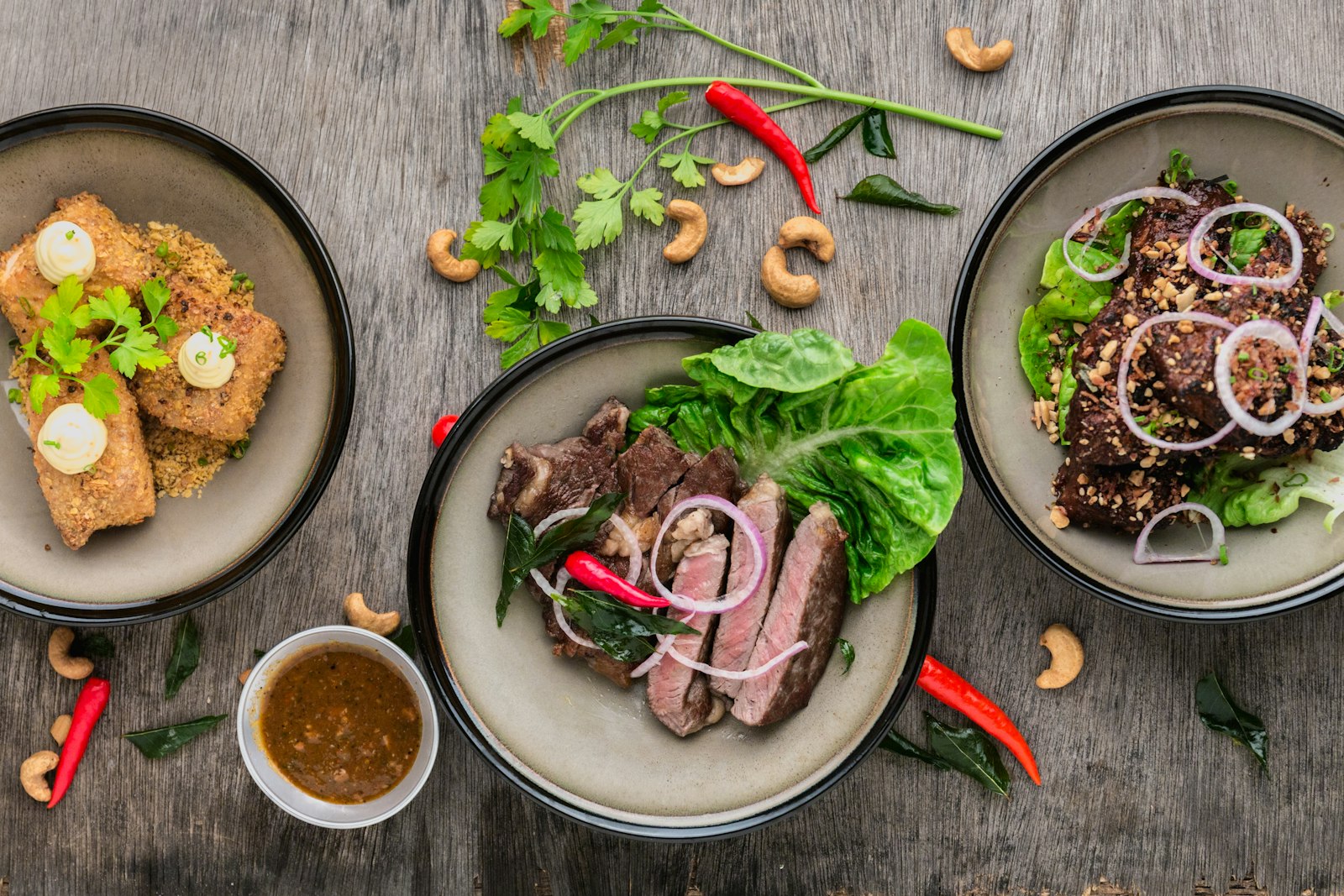
Why video beats photos for restaurants (by a wide margin)
Food is a motion medium. Steam rising, cheese pulling, sauce being poured, a knife going through a crust — these are the moments that trigger appetite, and a still photo captures none of them. Platform math agrees: reels and TikToks routinely reach 5–10x the accounts a static post does for local businesses, and short food video is one of the most-shared local content categories on both platforms.
The problem was never desire, it was production. A single polished food video used to mean an hour of setup, a ring light, and a re-plated dish going cold. Multiply that by a daily posting cadence and it dies in week two. AI video generation collapses that hour into about three minutes: photograph the dish once, generate the motion.
The three content pillars: menus, moods, mukbangs
After running this playbook with several food businesses, everything worth posting falls into three buckets.
Menus. Every dish on your menu deserves its own video. Shoot one good photo per dish in natural window light, then run each through an image-to-video model. Vidu Q3 is my default for food because it generates native audio — the sizzle and clink come with the clip. Prompt pattern that works: "slow push-in on the dish, steam rising, warm side lighting, shallow depth of field, no people." Twenty dishes photographed in one evening becomes a month of menu content.
Moods. Ambience sells the booking, not just the plate. Generate short atmosphere clips — rain on the window with candlelight inside, a bartender's pour in slow motion, the golden-hour glow of your dining room. Text-to-video handles these because they do not need to show your literal room, just your vibe. These clips also make ideal b-roll behind a voiceover announcing events or specials.
Mukbangs and trends. Trend formats are the reach engine. The pet mukbang template is a genuinely absurd and genuinely effective example — upload a photo, get a viral-format clip that has nothing to do with fine dining and everything to do with the algorithm. One trend post a week keeps your account in the discovery pool so your menu content lands on more screens.
Matching content to models and cadence
| Content pillar | Best approach | Model I use | Cadence |
|---|---|---|---|
| Menu dish reels | Image-to-video from your photos | Vidu Q3 (native audio) | 3–4 per week |
| Ambience / mood | Text-to-video | Hailuo 2.3 or Kling | 1–2 per week |
| Trend formats | One-tap templates | Template-dependent | 1 per week |
| Specials announcements | Dish photo + text overlay + voiceover | Any i2v + TTS | As needed |
| UGC-style reviews | AI avatar over food footage | UGC studio | 2–3 per month |
The cadence column is the part most owners underestimate. Seven posts a week sounds impossible until you realize five of them are generated from photos you already took.
UGC-style reviews without begging customers
Customer-shot review videos convert brilliantly and arrive never. The workaround: AI UGC. Versely's UGC video generator puts a talking-head avatar over your food footage with styled captions — the "I tried this place and you need to go" format, produced on demand. Keep the script honest (describe real dishes, real prices, real atmosphere) and label it as promotional content where platform rules require. It is an ad format, not a fake review, and treated that way it performs like your best paid creative.
Beyond food shots, testimonial and behind-the-scenes structures pair well with this system — treat them as the second layer once the three pillars are running.
The weekly workflow, start to finish
Here is the actual operating rhythm, sized for a manager with 90 spare minutes a week:
- Sunday (45 min): pick the week's 5–7 posts. Generate all of them in one batch session — dish reels from the photo folder, one mood clip, one trend template.
- Sunday (20 min): add captions and text overlays. Auto-captions matter because most feed viewing is sound-off; price and dish-name overlays do the selling silently.
- Sunday (10 min): schedule everything. Versely publishes directly to Instagram, TikTok, and Facebook on a schedule, so the week runs itself.
- During the week (15 min total): reply to comments, note which dishes drew saves and shares, feed that into next Sunday's picks.
Restaurants with a sibling coffee program should steal the daily-special rhythm from our coffee shop video marketing playbook — the mechanics are identical at a faster tempo.
What AI food video gets wrong (and how to route around it)
Honesty section. Image-to-video models occasionally melt garnishes, invent extra chopsticks, or animate a fork moving on its own. Three rules keep you out of trouble:
- Start from your real photo. Image-to-video anchored on your actual dish keeps the food recognizable. Pure text-to-video food can drift into uncanny territory — fine for mood clips, risky for menu items.
- Keep clips short. 4–6 seconds is the sweet spot. Artifacts compound with duration, and short clips loop better anyway.
- Never misrepresent the plate. If the generated clip shows a portion or presentation you do not serve, regenerate. The fastest way to lose a customer is a table that does not match the feed.
FAQ
Can AI really make videos from my existing food photos?
Yes — that is the core workflow. Image-to-video models animate a still photo with camera motion, steam, and ambient movement while keeping the dish itself intact. One decent phone photo per dish is enough; window light and a clean background improve results more than an expensive camera does.
How much does AI video marketing cost for a restaurant?
Budget for a credits-based plan rather than a videographer's day rate. A month of daily posting typically consumes far less than the cost of a single professionally shot video, and Versely's cheapest models cost just a few credits, so testing the workflow before committing to a plan is inexpensive.
Is AI-generated food video allowed on Instagram and TikTok?
Yes. Both platforms allow AI-generated content; TikTok requires AI-generated content that depicts realistic scenes to be labeled, which takes one toggle. The practical rule is accuracy: promote dishes as they are actually served.
What if my restaurant has no photos to start from?
Shoot them in one evening service. Thirty minutes with a phone near a window covers 15–20 dishes. Alternatively, text-to-image models can generate stylized food art for mood posts, but your menu content should always start from real plates.
Do I still need to film anything myself?
Occasionally, and it is worth it. One real kitchen clip or chef's-hands shot per week grounds the account in reality. AI handles volume; a little genuine footage handles trust.
Ready to turn your camera roll into a month of content? Try the AI video generator — upload a dish photo, get a scroll-stopping reel, and test it on tonight's special for a few credits.