

Tour Operator Video Marketing With AI
AI video marketing for tour operators: adventure preview reels, guest-photo trip films, guide intro videos, and booking-window timing that fills departures.
A tour operator's product is two hours of someone else's adrenaline, and the marketing problem is brutal in a specific way: your best moments happen mid-tour, when every hand is on a paddle, a rope, or a steering wheel. The kayak operator cannot film the bioluminescence tour while guiding it. The canyon jeep outfit's most cinematic moment has everyone's phones zipped into dry bags. So the actual product — the moment people would book off — mostly goes unrecorded.
AI video attacks this from both sides. Preview reels of the experience can now be generated instead of captured, and the guest photos you do accumulate become trip films instead of a dusty Google Drive. One whale-watching operator I looked at this spring runs their entire feed on this two-source system and fills weekday departures that used to sail half-empty.
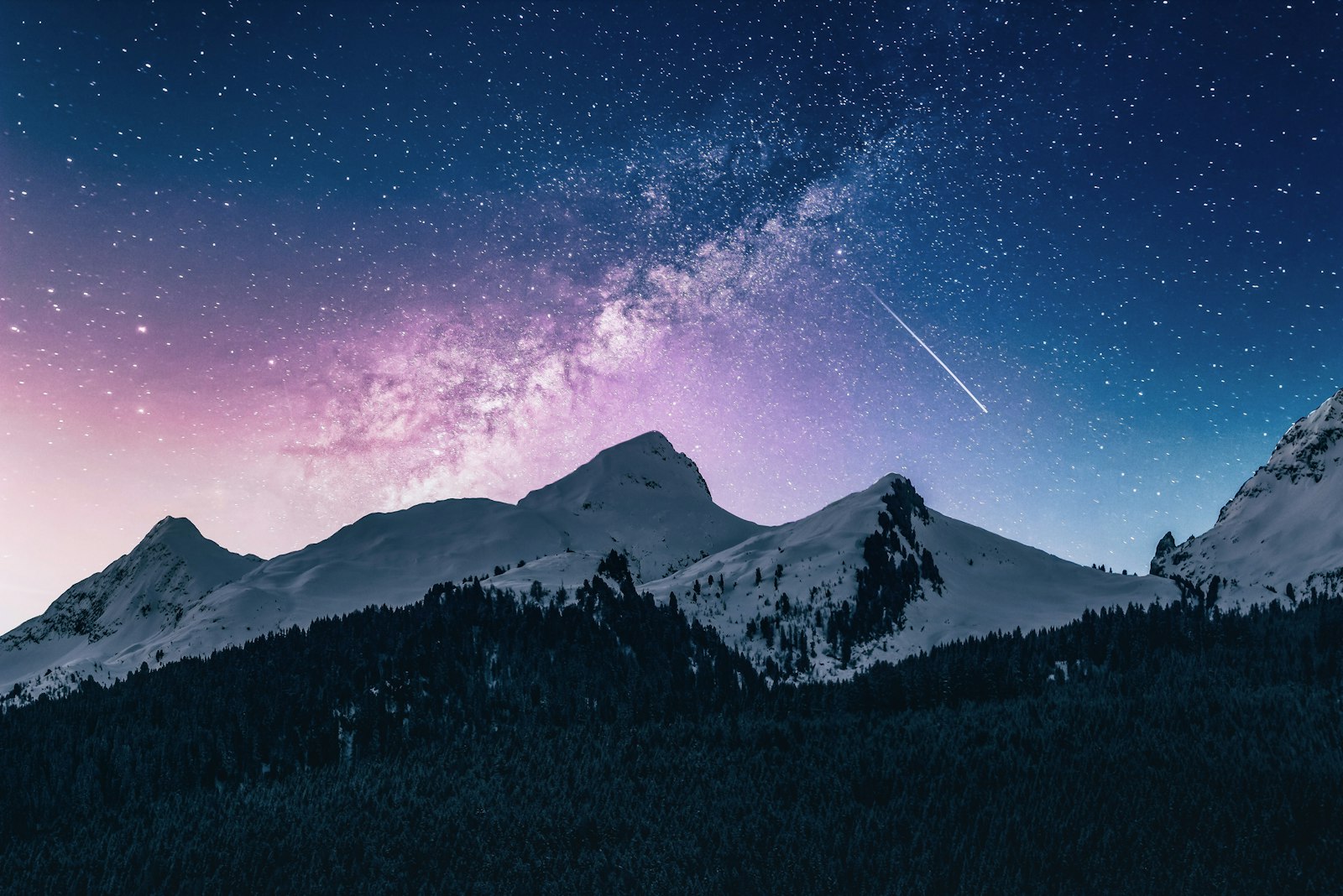
The adventure preview: sell the moment you can't film
Every tour has one peak moment — the reason people book. The jump, the reveal around the ridge, the manta gliding under the boat. Generate that moment as a preview reel and you are marketing with your actual product instead of your parking lot.
Structure that works, tested across operator accounts:
- Anticipation shot (2s): the approach — trailhead at dawn, boat leaving harbor.
- Peak moment (3–4s): the thing itself, generated big and cinematic.
- Human reaction (2s): faces mid-awe. This is the conversion frame; people book reactions, not scenery.
- Logistics card (2s): duration, price, departure days, "link in bio."
For anticipation and peak scenes I lean on PixVerse 5.6 image-to-video when a real photo exists to anchor on (your actual boat, your actual canyon), and text-to-video for moments no one has ever photographed. The honesty line for operators is sharper than for most businesses: adventure customers show up expecting the video. Generate the mood of the peak moment freely, but never inflate it — if the waterfall is 10 meters, do not let the model render 40. Overselling an adventure produces refund requests and one-star reviews with photographic evidence attached.
For desert, off-road, and stunt-adjacent operators, the desert stunt template is a ready-made viral format worth one slot a month — trend formats reach cold audiences your preview reels never touch.
Guest photos are your second production studio
Operators accumulate guest photos constantly — the summit group shot, the mid-rapids action cam frame, the sunset from the catamaran. Each is a seed for image-to-video: that static summit photo becomes a living shot with drifting clouds and wind-moved jackets, and five of them sequence into a trip-recap film with music and captions.
Two systems to set up once:
- The weekly recap reel. Every Friday, pick the week's five best guest photos (with permission — put media consent in your waiver, almost everyone opts in), animate, sequence, caption with the tour name, post. This is authentic social proof on an industrial cadence.
- The guest gift film. Send departing groups a 30-second film of their own trip within 48 hours. A large share post it and tag you. For a booking-driven business, tagged guest posts are the highest-converting content that exists, and you produced it in ten minutes.
Guides on camera without scheduling nightmares
People book tours from operators whose guides they already half-know. But getting five seasonal guides to record polished intro videos is herding cats up a via ferrata. The workaround: one good portrait photo per guide plus a script, fed through VEED Fabric, which turns a still image into a talking video. Each guide gets a 20-second intro — name, favorite route, one safety promise, one joke — produced in an afternoon for the whole roster.
Use these on the booking page and in pre-tour emails, and label them as AI-voiced if the guide's own voice was not used. The trust math works out fine in practice: customers care that the face matches the person holding the rope on Saturday, and it does.
Timing: post to the booking window, not the calendar
Tour bookings have a decision window, and most operators post against it. Match content to when your customers actually decide:
| Tour type | Typical booking window | When to push hardest |
|---|---|---|
| City walking / food tours | 1–3 days out | Daily, evening posts for next-day bookings |
| Day adventures (rafting, canyons) | 1–2 weeks out | Weekends, when trips get planned |
| Multi-day expeditions | 2–6 months out | Seasonal campaigns, launch pushes |
| Seasonal spectacles (whales, aurora) | 1–3 months out | Countdown content as season approaches |
The countdown format deserves special mention for seasonal operators: "6 weeks until manta season" posts, generated from last season's guest photos, build a waitlist before a single departure is scheduled. By the time the season opens you are selling to warm followers instead of cold ads.
Distribution partners multiply all of this. Agencies reselling your tours need video assets, and most operators hand them a logo and a PDF. Hand them your preview reels instead — the agency-side system that consumes them is in our travel agency video playbook, and operators who run their own aerial capture can stretch real flight footage further by using stills from it as image-to-video seeds.
The weekly operating rhythm
Total time cost, once photos flow in from guides: about 75 minutes a week. Monday, one preview reel for the tour with the softest bookings this week (15 min). Wednesday, one educational or guide-intro post (15 min). Friday, the guest recap reel (20 min). Plus guest gift films batched as trips complete (25 min). Everything scheduled through Versely's social publishing so it posts itself while you are on the water.
FAQ
Can AI generate realistic footage of adventure activities?
Yes, for most outdoor scenes — water, canyons, wildlife at a distance, trails, and vehicles all generate convincingly, especially when anchored to a real photo via image-to-video. Fast complex action (whitewater paddling technique, climbing moves) is still weaker; for those, use guest action-cam frames as image-to-video seeds rather than pure generation.
Is it misleading to market tours with generated video?
Not if the generated content accurately represents the experience. The rule: generate the real tour's real moments at their real scale, and anchor on actual photos wherever possible. Inflating scenery or wildlife encounters beyond reality is where marketing becomes misrepresentation — and adventure customers will document the gap.
How do we get guest photos legally?
Add a media-consent line to your booking waiver with a clear opt-out, and have guides collect a handful of shots per trip as part of the routine. Consent rates run extremely high when you explain guests get a free trip film out of it.
What's the single highest-ROI video for a tour operator?
The guest gift film. It costs ten minutes, delights the customer, and converts into tagged organic posts — each one an authentic testimonial distributed to exactly the social graph most likely to book the same trip.
Do guide intro videos really matter for bookings?
For higher-risk and higher-price tours, measurably yes. Booking a canyon guide or dive master is a trust decision, and a face with a name and a safety promise reduces perceived risk at the exact moment of checkout. Put them on the booking page, not just social.
Generate your peak-moment preview this week: one photo, one prompt, and the AI video generator turns your best two seconds into your best-performing ad — a $1 credit pack is enough to test it.