

Vidu Q3: Native Audio Video for Product Stories
How Vidu Q3's native audio changes product storytelling: image-to-video with sound designed in, shot recipes, and where it beats silent models.
Watch any good product film with the sound off and half the craft disappears: the click of the cap, the fizz over ice, the zip of the jacket, the ambient room around it all. Sound is how product video communicates texture, quality, and satisfaction, which is why the silent-by-default era of AI video quietly capped how good AI product content could feel. Vidu Q3 is one of the models ending that era: image-to-video with audio generated natively alongside the picture, so the pour comes with the glug and the scene comes with a room tone.
I spent two weeks routing all my product story work through Vidu Q3 image-to-video to see whether native audio is a gimmick or a workflow change. Conclusion: for product content specifically, it is a workflow change, and it alters which shots you even bother writing.
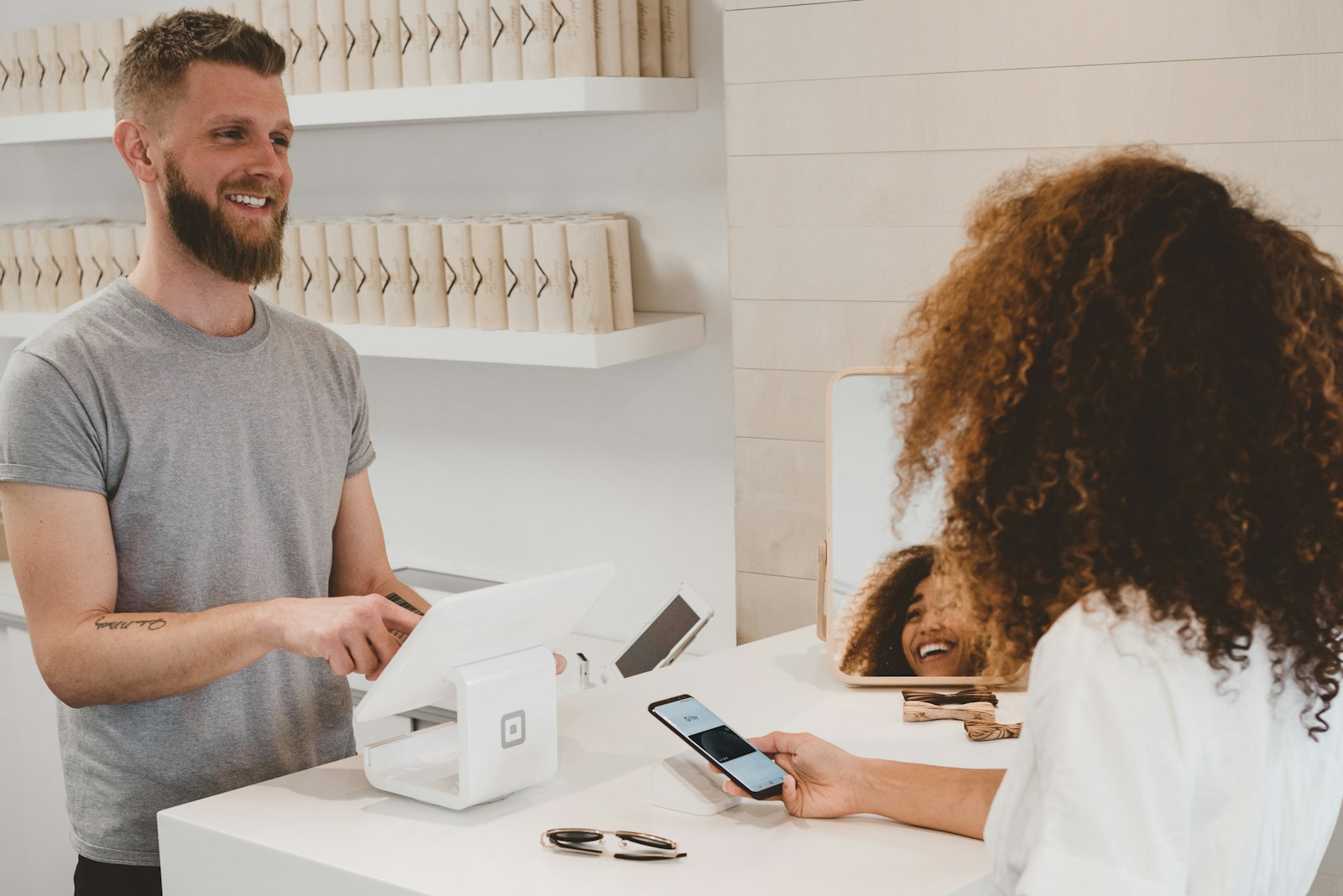
Why native audio matters more for products than anything else
Talking-head content needs speech sync. Cinematic content needs a score you will add in the edit anyway. Product content needs something harder to fake after the fact: diegetic sound, the noises the product and scene make, timed to the picture. Foley, in film terms. Retrofitting foley onto silent AI clips means hunting sound effects that match invented motion and hand-syncing them, which is exactly the tedium that stops most brands from bothering.
Vidu Q3 generates the sound with the scene, so the timing problem largely solves itself. Sounds land where the motion is because they were born together:
- A serum dropper clip arrives with the soft glass tap and liquid release.
- A coffee pour arrives with the pour, low room ambience, and a distant cafe murmur.
- A sneaker-on-pavement loop arrives with footfall that matches the gait.
And since the model also handles dialogue when a scene calls for a spoken line, the important thing to know before you build workflows on it: never assume a Vidu Q3 clip will be silent. Write the audio you want into the prompt, or you will get the audio it imagines.
Prompting sound like you prompt picture
The habit shift is treating audio as a first-class prompt layer. My product-story prompt structure now has a fifth line:
Subject + action + environment + camera/light + soundscape.
Worked examples that shipped:
Cold brew poured over clear ice in a tall glass, morning cafe window light, slow push-in, 9:16. Audio: ice crack, liquid pour, soft cafe ambience, no music, no speech.
Hands unzipping a hiking pack on a mossy rock, overcast forest light, static camera. Audio: zipper, fabric rustle, birdsong and light wind, no voices.
Three audio-prompting rules that raised my keeper rate:
- Always state music and speech intentions explicitly. "No music, no speech" gives you clean foley you can score in the edit. Unspecified, the model sometimes adds both.
- Name two or three sounds, not ten. Like visual prompts, audio prompts degrade with clutter. Lead sound, ambience, done.
- Keep the sound physically plausible for the shot. Asking for sounds whose sources are off-screen works less reliably than sounds tied to visible motion.
The product-story shot kit
Where Vidu Q3 slots against the other models I keep in the product rotation:
| Shot type | Model | Why |
|---|---|---|
| Satisfaction shots (pour, snap, fizz, unbox) | Vidu Q3 | Foley timed to motion is the whole shot |
| Ambient lifestyle context | Vidu Q3 | Room tone sells the scene as real |
| Polished hero orbit for paid | Kling O3 Pro | Picture polish outranks sound there |
| Talking presenter with script | Happy Horse 1.1 | Speech-first lipsync, covered in my Happy Horse writeup |
| High-volume trend variants | Seedance 2.0 Fast | Speed economics win |
The first two rows are the point. "Satisfaction content", the ASMR-adjacent genre of products sounding great, is among the most reliably performing product formats on short-form feeds, and it was effectively closed to AI pipelines until native audio. Now a still product photo plus a two-line prompt produces it.
My standard product story is five shots: hook (satisfaction sound), context (lifestyle ambience), detail (close texture with foley), payoff (product in use), end card. Vidu Q3 generates the first four with sound; the end card is a still with music. Assembled with captions in the editor, it is a 25-second story from one product photo in under an hour, a pipeline that pairs naturally with the broader ecommerce product ads playbook.
Honest limits after two weeks
- The mix is a starting point, not a master. Native audio arrives at usable but uneven levels. I still pass everything through the edit for level balancing and a light music bed. Budget five minutes per clip, not zero.
- Branded sonic identity is not a thing here. The model invents plausible foley; it cannot reproduce your product's trademarked chime. Composite proprietary sounds in post.
- Occasional overdub surprises. Even with "no speech," an enthusiastic murmur sneaks in maybe 1 clip in 15. Regenerate or strip the track.
- Complex mechanical sounds drift generic. A camera shutter sounds right; a specific espresso machine's exact cycle does not. Close-enough is fine for social, not for connoisseur audiences who know the real sound.
- Picture-side, it is competitive but not the polish king. For pure visual fidelity on a silent hero shot, the premium picture models still edge it, check the live model rankings for current standings.
None of this undercuts the core value: the sound arrives synced, which was always the expensive part.
Where this goes in a brand pipeline
Vidu Q3 has become my default for the middle of the product content stack: the recurring, sound-forward social clips between big campaign moments. Hero campaign films still get the premium-picture treatment with designed audio in post; trend content still goes to the fast tier. But the weekly "product looking and sounding great" cadence, the content that actually fills a calendar, now runs through one model instead of a three-tool foley pipeline. If you are assembling multi-scene stories, the AI movie maker can chain Vidu Q3 shots into a single film with music on top.
FAQ
What does "native audio" mean in Vidu Q3?
The model generates sound together with the video, foley, ambience, and dialogue when called for, timed to the on-screen motion, rather than producing a silent clip you must score afterward. You direct it by writing an audio line into your prompt.
Is Vidu Q3 good for product videos specifically?
It is currently my default for sound-forward product content: satisfaction shots, unboxings, and ambient lifestyle scenes where synced foley does the persuasion. For maximum picture polish on silent hero shots, premium visual models still edge it.
Can I control what sounds Vidu Q3 generates?
Yes, treat audio as a prompt layer: name the lead sound, the ambience, and explicitly state "no music, no speech" if you want clean foley. Unspecified audio intentions are the main source of surprises, including occasional unwanted dialogue.
Do I still need audio editing after generation?
A light pass, yes. Native audio arrives usably synced but unevenly leveled, so budget a few minutes per clip for balancing and an optional music bed. What you skip is the expensive part: finding and hand-syncing effects to invented motion.
Vidu Q3 or Happy Horse 1.1 for content with sound?
Split by intent: Vidu Q3 for scenes that sound real (products, ambience, action foley), Happy Horse 1.1 for characters that speak scripts with lipsync. They cover opposite halves of the native-audio landscape and pair well in one pipeline.
Hear your product for yourself: run a photo through Vidu Q3 in the AI video generator — testing runs a few credits, not a subscription, sound included. If you are leaving the Vidu app, a Vidu alternative is Q3 for product foley and Happy Horse when someone has to speak a script.