

Digital Replica Rights Are Turning Into Property
US federal law is moving toward treating likeness as a licensable right, not just a tort you sue over after the fact. What that shift means for consent.
For most of legal history, protection over your own face and voice — where it existed at all — lived in "right of publicity," a tort. Something you sue over after an unauthorized use has already happened, under whichever state's rules apply, with no single national standard behind it. What's moving through Congress right now points toward a different architecture entirely: likeness treated as property — a right you can affirmatively license, scope, and enforce before a dispute ever starts, not just a wrong you litigate after the fact. That's a real structural shift, and it changes what "getting permission" is supposed to look like for anyone building with a real person's identity.
This is general information, not legal advice — talk to an actual lawyer for anything high-stakes involving a real person's likeness.
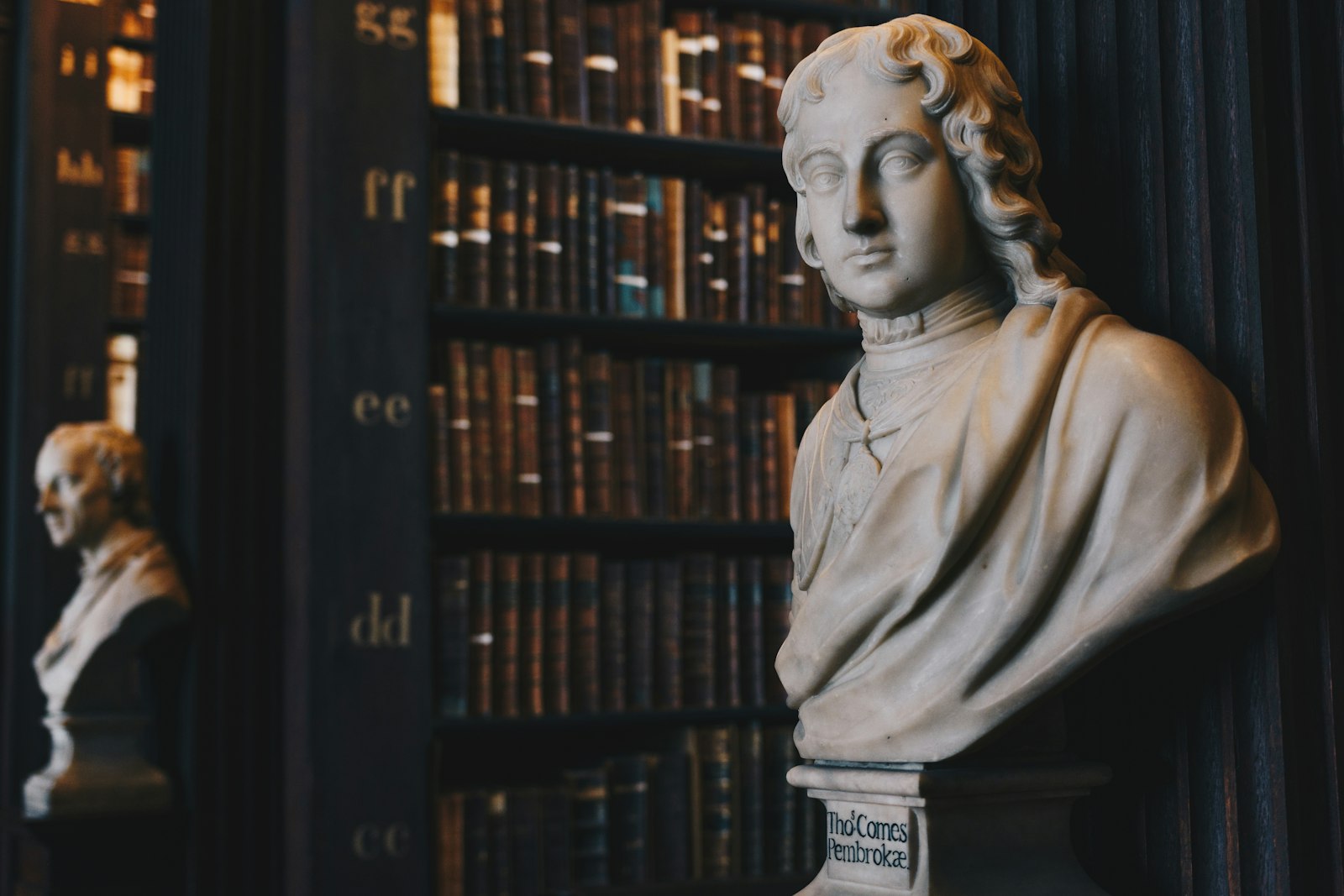
The bill that names the shift
S. 4591, the Nurture Originals, Foster Art, and Keep Entertainment Safe Act — the NO FAKES Act of 2026 — would create a federal right over a person's voice and visual likeness, with civil liability attached to unauthorized AI-generated digital replicas. It advanced out of the Senate Judiciary Committee on a unanimous, bipartisan vote in June 2026, and now moves to the full Senate. That status matters precisely: this is a bill that has cleared one committee, not one that has passed the Senate, cleared the House, or been signed into law. Treat everything below as describing a direction of travel, not a settled legal requirement.
Why "federal" and "property-like" is the actual shift
The distinction between a tort-based right and a property-like right isn't a technicality — it changes the entire posture of how consent works.
A tort-based right of publicity is reactive by design. It exists to be asserted after an unauthorized use occurs, under whichever state's law applies to that use, and the internet has always made that framework awkward — content made in one state, hosted in another, viewed everywhere, governed by a patchwork that was never built for a video that exists simultaneously in fifty jurisdictions at once.
A federal, property-like right works differently. It exists whether or not it's ever violated, which means it can be affirmatively licensed and transferred the way a copyright or a trademark can — assigned, scoped to specific uses, time-limited, and backed by a single national standard instead of a state-by-state patchwork. That's the actual significance of the NO FAKES Act's approach: not just "a new law against deepfakes," but a shift in the underlying legal shape of what a likeness right even is.
What "property" implies practically: consent needs a paper trail
If likeness moves toward something you affirmatively license rather than something you merely avoid infringing, the practical bar for anyone building digital replicas — avatars, voice clones, digital twins — moves with it. "I asked and they said yes" stops being sufficient as an informal standard once the underlying right starts to resemble licensed property. What you actually want is the kind of documentation any licensed-property arrangement requires: a defined scope (which platforms, which uses, which formats), a duration, revocability terms, and a record that survives being challenged later.
This is where usage rights as a concept and voice cloning as a specific capability intersect directly with the legal trend. A voice clone or a digital twin isn't just a technical output — it's a use of someone's identity that, under a property framework, needs the same kind of documented scope you'd want for any licensed asset, not a verbal understanding that's hard to prove existed once there's a dispute.
What this does — and doesn't — cover
Worth being precise about scope, because it's easy to conflate this with AI regulation generally. The NO FAKES Act targets unauthorized digital replicas specifically — non-consensual use of someone's voice or visual likeness. Content made with genuine consent sits outside what this particular right addresses, and so does synthetic content that doesn't depict an identifiable real person at all. That's a narrower, more specific scope than a general AI content law.
It's also a different problem than synthetic media disclosure. Disclosure rules are about labeling AI-made content so a viewer knows what they're looking at. Replica-rights law is about whether you had permission to use a specific real person's identity in the first place. Those two questions get lumped together in casual conversation constantly, but they're legally distinct, and a piece of content can be fully compliant on one axis while failing the other — a properly labeled "AI-generated" video can still be an unauthorized replica of a real person, and a consensual digital twin still needs proper disclosure where that's separately required.
What to actually do now, while it's still just advancing
None of this needs to wait for a bill to become law to be worth acting on. Two reasons to treat consent as documented property rights today, regardless of NO FAKES Act's eventual fate: state-level publicity rights already exist in patchwork form right now, and a written, scoped consent record is the practical defense against essentially any of them. And if a federal property-like right does eventually land, creators who already treat consent as something scoped and documented — not an informal nod — will already be operating the way the law is moving, rather than retrofitting paperwork under pressure after the fact.
A Versely walkthrough: pairing a digital twin with documented consent
Versely's HeyGen Avatar V5 digital twin generates talking-avatar video from a script or audio for a specific enrolled person — and by construction, that means the subject has to record their own enrollment footage before a twin can exist at all. That mechanical requirement is a real starting checkpoint: nobody can build a digital twin of you without you showing up to record it. But the enrollment step isn't the same thing as a documented license, and it's worth treating them as two separate items rather than assuming one covers the other.
The practical pattern: once your subject has recorded enrollment footage and you're generating avatar video from it, keep a separate written release alongside that footage — which platforms the resulting videos can run on, for how long, and under what conditions it can be revoked. That written scope is the actual property-style documentation this whole shift is pointing toward; the enrollment session gets you the technical starting material, but the release is what protects both you and your subject if the use is ever questioned later.
FAQ
Is the NO FAKES Act law yet?
No. As of its most recent progress, S. 4591 advanced out of the Senate Judiciary Committee on a unanimous vote in June 2026 and moves to the full Senate next. It has not passed the Senate, has not been taken up by the House, and has not been signed into law.
What would the NO FAKES Act actually do if enacted?
It would create a federal right over a person's voice and visual likeness, with civil liability for creating or distributing unauthorized AI-generated digital replicas of that person. It targets non-consensual use specifically, not synthetic media in general.
How is a "property-like" likeness right different from existing publicity rights?
Existing right-of-publicity protection is largely state-based and tort-flavored — asserted reactively, after an unauthorized use, under whichever state's rules apply. A federal, property-like right exists independent of any violation and can be affirmatively licensed, scoped, and transferred, similar to how copyright or trademark works, under one national standard.
Does this mean I need written consent for every AI avatar or voice clone I make?
For anyone but yourself, yes as a matter of good practice, regardless of what's federally required today. State-level rights already exist unevenly, and a documented, scoped consent record is the practical protection against essentially any of them — plus it puts you ahead of where federal law is heading rather than behind it.
Is digital replica rights law the same thing as AI content disclosure law?
No — they're related but distinct. Disclosure law is about labeling AI-generated content so viewers know what they're seeing. Digital replica rights are about whether you had permission to use a specific real person's identity at all. Content can satisfy one requirement and violate the other.
Likeness is moving from something you avoid infringing to something you license. Build the paper trail now, whether you're working with voice cloning or a full digital twin — it's the same documentation either way.