

Food Video Prompts That Look Edible
Food video prompts that look edible: steam, sauce physics, texture close-ups, and the AI video prompt patterns that beat the uncanny gloss problem.
The fastest way to spot an AI food video is the gloss. Everything shines like it's been lacquered — the bread, the greens, even the tablecloth. Real food has matte zones, uneven browning, crumbs, and steam that behaves like steam. Viewers can't articulate why a shot looks inedible, but they scroll past it in under a second, which for a restaurant or CPG brand means the whole video failed at frame one.
Food is simultaneously one of the best and worst genres for AI video: best because appetite appeal is mostly motion (steam, pours, pulls, sizzle) that models render beautifully when asked correctly; worst because food physics errors are instantly visible to anyone who has ever eaten. This guide covers the prompt patterns that keep generated food on the edible side of the line.
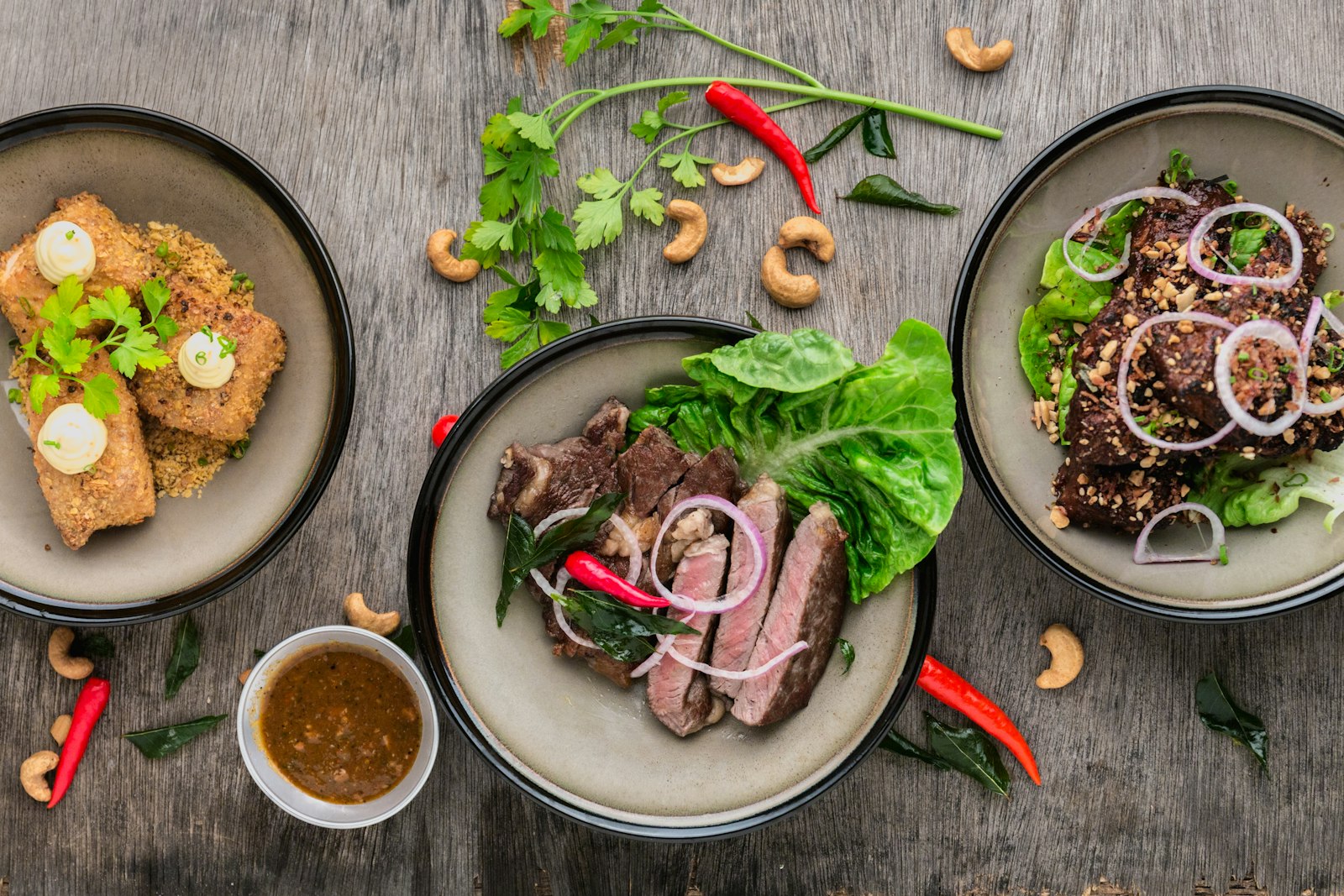
Kill the gloss: texture words are your first line
The uncanny gloss comes from models defaulting to "professional food photography," which in training data skews toward oiled, sprayed, stylist-perfected images. You counteract it with matte and imperfection vocabulary:
- "matte crust with flour dusting" instead of "artisan bread"
- "charred edges, uneven browning" instead of "perfectly grilled"
- "crumbs scattered on the board" — imperfection sells realism harder than any resolution keyword
- "condensation on the glass, droplets running" for cold drinks
- "natural window light" instead of "studio lighting" — hard studio light amplifies shine
Rule of thumb: every food prompt gets at least one texture word and one imperfection. A shot of "a burger" is a render; a shot of "a burger with a toasted seeded bun, cheese just starting to drip over the patty edge, a few sesame seeds on the board" is dinner.
The five money motions (and how to prompt each)
Appetite appeal in video comes from a short list of motions the food industry has used for decades. Each has a prompt pattern that works:
| Motion | Prompt pattern | Trap to avoid |
|---|---|---|
| Steam rise | "gentle steam rising and drifting left, backlit" | Unprompted steam becomes fog or smoke |
| The pour | "honey pouring in a thin steady ribbon, coiling as it lands" | Liquids teleporting or defying gravity |
| The cheese pull | "slice lifted slowly, mozzarella stretching in thin strands" | Strands that behave like rubber bands |
| The sizzle drop | "butter hitting the hot pan, foaming and spreading outward" | Splashes frozen mid-air |
| The knife cut | "knife pressing through, crust cracking, interior revealed" | Interiors that don't match exteriors |
Two universal fixes. First, specify speed: "slow," "thin steady stream," "gently" — food motion at default AI speed reads frantic. Second, give liquids a landing behavior ("coiling as it lands," "spreading outward," "soaking into the sponge"). Models handle falling liquids well and landing liquids badly unless told what the landing looks like.
Image-to-video: the reliability cheat for real menus
For a real restaurant or product, don't gamble on text-to-video inventing your dish. Shoot or generate one great still of the actual plate, then animate it through image-to-video. The still locks plating, portion, and garnish; the prompt only has to handle motion — which is exactly the part AI does best. A strong recipe:
- Photograph the finished dish in natural side light, slightly above eye level.
- Prompt only the motion: "steam rising from the surface, camera slowly pushing in, shallow depth of field."
- Keep clips 4–6 seconds. Food shots don't need duration; they need one clean motion.
Kling O3 Pro image-to-video is my pick when the shot needs subtle, physically-grounded motion on a locked composition — it respects the source frame's plating instead of "improving" it. When you're generating conceptual food scenes from scratch (menu development moods, seasonal campaign fantasy shots), a fast text-to-video model like Hailuo 2.3 Standard gives you cheap iterations on motion ideas before you commit a hero still to the pipeline.
Building a 20-second food reel from four clips
Food content performs as short stacked sequences, not single shots. The structure that keeps watch time:
- Hook (0–3s): the money motion. Cheese pull, pour, or knife-crack. Lead with the payoff, not the establishing shot.
- Context (3–8s): the full plate. Slow push-in on the complete dish, steam rising.
- Detail (8–14s): macro texture. Close crop — crust crackle, sauce sheen (real sheen, on sauce, where it belongs).
- Close (14–20s): the human beat. A fork lifting a bite, or the plate landing on the table.
Generate each beat as its own clip with consistent lighting vocabulary ("warm natural window light from the left" in every prompt), then cut them together. Consistent light language is what makes four separate generations read as one kitchen.
Sound is half of appetite: layer a sizzle, a pour, a crunch under the cuts. Generated food video ships silent by default, and silent food is dead food — Versely's sound effects generation covers the classic foley (sizzles, pours, clinks) so every motion lands with its sound.
Prompts that fail specifically on food
Beyond generic prompt mistakes, food has its own failure vocabulary. Avoid: "delicious," "mouthwatering," "gourmet" (taste words with no visual meaning — the model substitutes gloss); "perfect" anything (invites the uncanny stylist look); more than one food item in motion per clip (two moving foods = physics chaos); and long prompts describing an entire recipe (the model tries to show every stage at once). One dish, one motion, one light source, one texture note, one imperfection. That's the whole formula.
FAQ
Why does AI-generated food look shiny and fake?
Training data for "food photography" over-represents stylist tricks — oil brushing, glycerin spray, glossy hero lighting — so models default to lacquered surfaces. Counteract it with matte texture words ("flour-dusted," "charred," "crumb"), natural light, and at least one deliberate imperfection per prompt. Realism in food is imperfection.
Should I use text-to-video or image-to-video for food content?
Image-to-video for anything representing a real menu item or product — the still locks plating and portion accuracy while the prompt handles motion. Text-to-video for conceptual and mood work where the exact dish doesn't need to match reality. Most working food reels are image-to-video clips stacked in sequence.
How long should AI food clips be?
Four to six seconds per clip, built around exactly one motion. Food shots exhaust their visual interest fast; a 10-second steam shot is 6 seconds of dead air. Stack three or four short clips into a 15–20 second reel instead of stretching one generation.
Can AI video handle pours and cheese pulls realistically?
Yes, with two conditions: specify the speed ("thin steady ribbon," "slowly stretching") and describe the landing or endpoint behavior ("coiling as it lands," "strands thinning as the slice rises"). Unconstrained liquid and stretch physics are where food generations fail most visibly, and both fixes live entirely in the prompt.
What audio should go under food videos?
Foley first, music second. A sizzle, pour, or crunch synced to the on-screen motion does more for appetite than any track. Add a low-key music bed underneath so the foley reads as intentional. Silent food video reliably underperforms — sound is the half of taste you can actually ship.
Test the formula tonight: one dish, one motion, four clips in Versely's AI video generator — a $1 credit pack covers the whole reel.