

Artlist Veo vs official quality
Artlist hosts Veo 3.1 and Sora 2. Quality follows the weights; access, caps, and API survival do not.
Artlist Veo is not official Sora, and it is not official Veo in the pipeline sense. Quality mostly follows the model weights. Access, licence wrapping, resolution caps, and survival past 24 September 2026 follow the host.
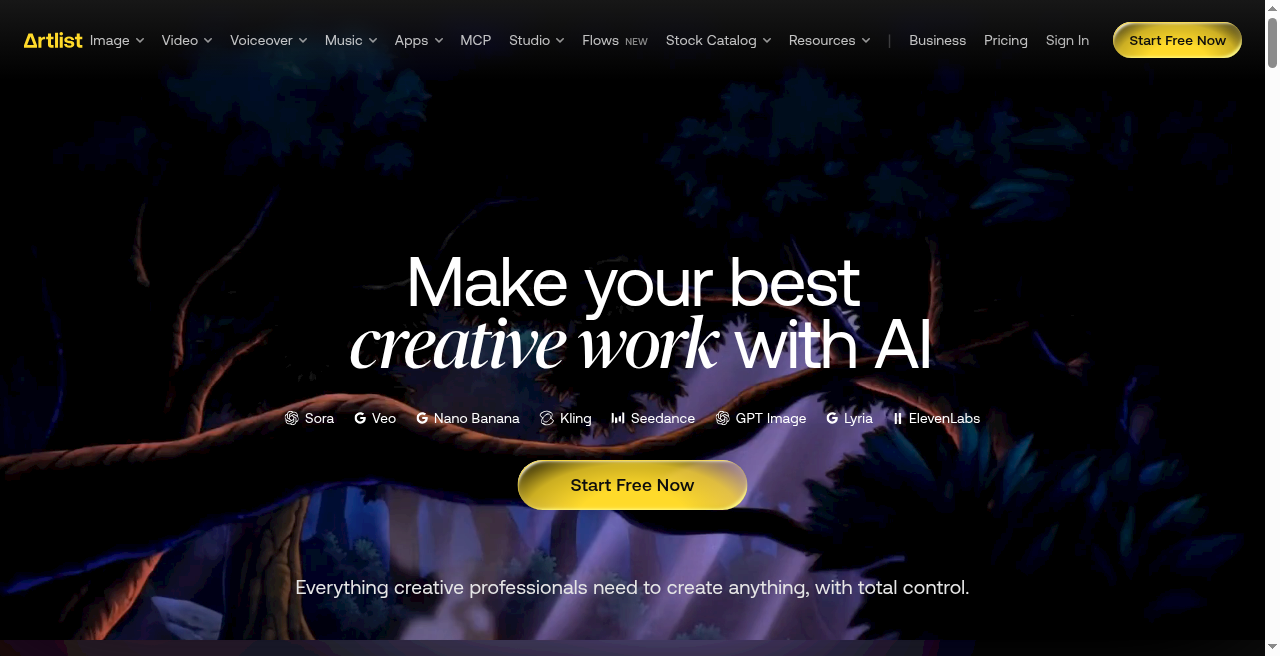 Artlist is a launcher with a licence wrap. It is not DeepMind and it is not the OpenAI Sora API.
A common search is "artlist veo 3.1 sora 2 same quality as official." Honest answer in one line: quality follows the weights, not the furniture. Access, licence wrapping, resolution caps, and survival past 24 September 2026 do not.
A host is not an API
Artlist's 12 January 2026 comparison states that OpenAI's Sora 2 and Google DeepMind's Veo 3.1 are available on Artlist for text-to-video and image-to-video, and that output is covered by Artlist's licence. That sentence is a hosting claim. It is not "this is Google AI Studio." It is not "this is the OpenAI Sora API." It is not "the clip is bit-identical to a first-party generate at the same seed," because hosts rarely expose the same knobs, the same queue, or the same duration and resolution matrix.
Artlist's own Veo 3.1 model page describes cinema-quality clips from text or images, with audio, and lists durations of 4, 6 or 8 seconds. That duration ladder matches how Veo 3.1 is commonly sold. It does not make Artlist into DeepMind. Fast and Lite variants on a host are the host's productisation of a family, the same way every aggregator ships a Fast row.
Versely is also a host. Veo 3.1 is in this catalog: native audio, 4 / 6 / 8 second clips, 4K tier, 64 credits on the published card. The model does not change because you launched it from Flow, from Artlist, or from here. The surrounding work does: captions, other families, a shared credit pool, a bill that is credits rather than a stock-music seat. Google Flow is a Veo surface, not a studio. Artlist is a Veo-and-Sora surface plus a library. Treat both as launchers.
"Same quality as official" is unanswerable as a blanket. Same weights, similar duration, similar resolution - you should expect a similar clip if the host is actually calling that model and not a substitute. Hosts have shipped lookalikes under famous names before. If the job is a legal, client-facing Veo take, prefer a path you can name in the memo: Google's surface, or a catalog row that lists Veo 3.1 as Veo 3.1. If the job is a mood board and Artlist is already open, the furniture is fine.
Do not pay twice for the same weights because a landing page said "official quality." Quality is the model. Official is the contract.
Sora's clock is not Artlist's clock
Two shutdowns get collapsed in creator chat.
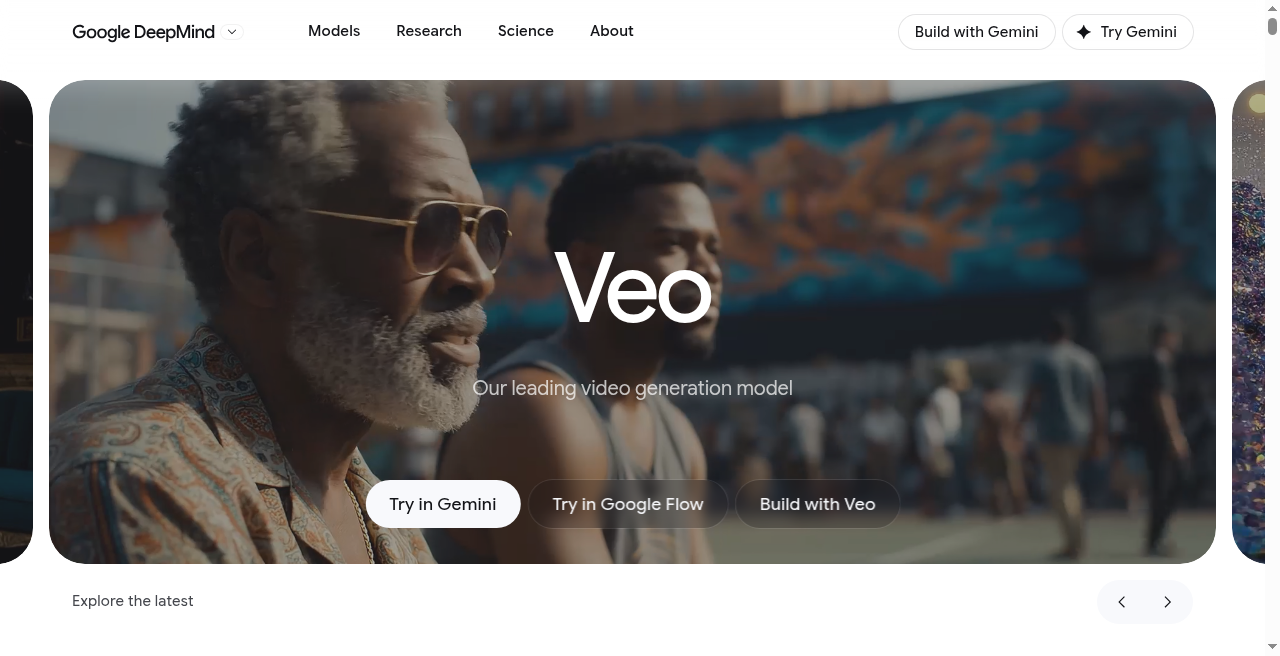 Veo 3.1 is not on Sora's 24 September 2026 API clock. Host the weights; do not inherit the sunset.
The Sora app and sora.com discontinued 26 April 2026. If you were generating by clicking around in the consumer product, that door is already gone.
The Sora API - sora-2, sora-2-pro, all snapshots - shut down on 24 September 2026, per OpenAI's discontinuation note. That is the endpoint any host, script, or scheduled job is actually calling. After that date, a site that still advertises Sora 2 generation is not offering official Sora 2, whatever the landing page says.
Artlist's January 2026 blog treats Sora 2 and Sora 2 Pro as current catalog rows. January is not 24 September. A third-party host cannot outlive the vendor API. When OpenAI turns the endpoint off, every aggregator that was proxying it goes dark on that family, including any "Sora 2" button that felt like a studio feature. Migrate the prompts. Archive the takes. Do not build a Q4 pipeline on a row with a published death date.
Veo 3.1 is not on that clock. Google has not announced Veo 4 as of mid-2026 reporting (WaveSpeed on Veo 4); Veo 3.1 (January 2026) is current. Hosting Veo on Artlist does not make Veo into Sora, and it does not inherit Sora's sunset. The search query glues the two names because Artlist glues the two names. Production should unglue them.
If you still have Sora-shaped jobs, the migration page is the Sora API sunset plan. Point the same brief at Veo 3.1, at Seedance 2.0, or at Kling 3.0 - families that are not ending on 24 September. Rewrite the prompt for the new row. Do not paste a Sora camera bible into Veo and call the miss "Artlist quality."
Licence wrapping is not the model
Artlist's pitch, on that January post, is that generated output is royalty-free and cleared for commercial use under your Artlist licence. That is a wrapping claim. It can be the reason you stay on Artlist for a stock-plus-generate week. It is not evidence that the pixels match a first-party generate, and it is not a Veo licence from Google or a Sora licence from OpenAI in the sense a lawyer means when they ask "which API produced this file."
Keep the paper trail honest:
- Host licence: Artlist (or Versely, or Flow) terms for the generate you ran there.
- Model identity: Veo 3.1 or Sora 2, named on the card, not "Artlist video."
- Survival: Sora 2 as a generate path ends 24 September 2026 everywhere official. Veo does not.
Adobe's Firefly commercially-safe story is a different wrapping again; it does not cover a Veo take you happened to run inside a Firefly-shaped window. Same class of error as treating Artlist's blanket as Google's.
Credits on Versely stay credits. Artlist's seat and stock bundle is a different product, and the two do not reduce to a per-clip comparison.
What to do with the query
If you asked whether Artlist's Veo 3.1 is "the same quality as official," you already have Veo in mind. Run Veo. Pick a door you can still open in October. Compare takes on the same prompt if you must, knowing that seed, sampler, duration, and resolution have to match before the experiment means anything. A 720p Artlist Fast against a 4K first-party Veo 3.1 is not a quality test.
If you asked whether Artlist's Sora 2 is "the same quality as official," the more useful question is whether you should still be on Sora at all. Official Sora as an API is days from shutdown on this page's publish date. Quality parity with a dying endpoint is a museum question.
If you asked because you want one tab that has Veo and Sora and a music library, that is a host preference. Keep it. Do not infer a studio. You will still caption, still crop, still fail over when Veo is the wrong row. The AI video generator is the Versely version of "run the model." Captions for silent autoplay is the work after the take, on any host.
Keep Veo. Leave Sora on the 24th. Treat Artlist as a launcher with a licence attached, not as the origin of the weights.
Run Veo 3.1 next to the rest of the roster from the studio if the job was never only Artlist's two famous buttons.
What I'd actually do
I'd run client-facing Veo takes on a path I can name in a memo: Google's surface or a catalog row that literally lists Veo 3.1. Artlist stays fine for mood boards when the seat is already open. Anything still shaped like Sora gets migrated now via the Sora API sunset plan to Veo, Seedance, or Kling. Production lives in Versely's AI video generator so failover is a routing change, then captions after the take.
FAQ
Does Artlist run real Veo 3.1 and real Sora 2?
Artlist's January 2026 documentation says both are integrated for T2V and I2V. That is a host listing. It is not Google AI Studio and it is not the OpenAI API. Quality should be close when the host is actually calling those models at similar settings. Official is the contract and the endpoint, not the landing page.
Does Artlist still generate Sora 2 after 24 September 2026?
Not as official Sora 2. OpenAI shut the Sora API that day, and third-party hosts cannot outrun that. Archive any takes you still have. Move prompts to Veo 3.1, Seedance, or Kling.
Should I switch off Artlist to get "real" Veo?
Only if you need a different contract, matrix, or surrounding pipeline. Veo is the model. Artlist is one door. Flow is another. A multi-model catalog is another. Switching doors does not upgrade the weights. It changes what else you can do after the clip lands.